
REVIEW · SANTIAGO ISLAND TOURS
Full-Day Santiago – Villages, Nature & Local Culture
Santiago on one day. That is the whole trick here, and it works. I love the Assomada market with its guided walk, and I love the 700+ year-old kapok tree stop, because both give you living, on-the-ground Cape Verde rather than just roadside scenery. One thing to keep in mind: it is a full day, and several viewpoints are short photo stops.
The route is built for maximum variety. You start with mountain viewpoints near São Domingos, then shift to nature at Serra Malagueta Natural Park, and later you get a proper break at Tarrafal Beach plus time in fishing towns. If you like having a local guide keep the story straight, this format is a good match.
This is also a tour where the guide really matters. In the best cases I’ve heard, guides like Edmilson (and drivers like Nise) keep explanations clear and the driving calm, so you do not feel like you are just bouncing from photo spot to photo spot. If you want slow travel or you need lots of walking support, you may find the pace a bit tight.
In This Review
- Quick hits before you go
- Why Santiago feels like the Cape Verde you came for
- Pickup day and the reality of a 9-hour island sampler
- São Domingos and mountain photo breaks with real mountain geography
- Assomada market: the guide matters more than the shopping
- Serra Malagueta Natural Park and the visitor center tour
- Tarrafal Concentration Camp, then Tarrafal Beach for a needed reset
- East-side towns: fishing village time and Calheta de São Miguel
- Boa Entrada and the 700+ year-old kapok tree
- Rabelados community and resistance traditions
- Santa Cruz guided time: another layer of island life
- Pedra Badejo plantations: bananas and coconuts up close
- Price and value: what $141 buys you, and what to watch
- Who should book this tour, and who might skip it
- A final check before you decide
- FAQ
- How long is the Santiago full-day tour?
- Do I get hotel pickup and drop-off?
- What languages are the live guides available in?
- Is this tour a private group?
- What should I bring for the day?
- Are wheelchair users able to join?
- Is the tour suitable for very elderly travelers?
- Are entry tickets included?
- Is alcohol allowed during the tour?
- Is lunch included?
Quick hits before you go
- Assomada market walk with a guided tour, good for learning how people actually buy, chat, and live
- Kapok tree in Boa Entrada in a village setting, not a rushed roadside photo
- Serra Malagueta Natural Park viewpoints plus a guided visitor center tour
- Tarrafal Beach break after the history stop, so you get both context and a breather
- Rabelados and plantation time for culture and everyday rural life, from community traditions to bananas and coconuts
Why Santiago feels like the Cape Verde you came for
Santiago is the island where Cape Verde’s culture hits you fastest. It’s the big one, with the most variety of towns, landscapes, and local rhythms. This tour leans into that. You are not stuck inside one town or one kind of scenery.
The day mixes three kinds of moments that travel on small islands often misses: village life (markets and community stops), nature (Serra Malagueta and panoramic viewpoints), and history (the Tarrafal Concentration Camp visit). That balance is what makes a short stay workable. If Santiago is your only island, this kind of coverage is a smart use of limited time.
Pickup day and the reality of a 9-hour island sampler
This tour is built around hotel pickup and drop-off, with multiple pickup locations across the Praia area. The practical detail you should remember is the timing at your door. You are expected to wait about 15 minutes before pickup, and the guide and driver should arrive around your scheduled time.
Because it is 9 hours, you spend real time in the vehicle. The upside is you see the east and mountain areas without doing multiple rentals or transfers. The downside is that some stops stay brief by design, especially the viewpoints. If you love lingering, plan for the fact that this is more of a “great hits” day than a slow walk day.
I also like that it is a private group setup. That usually means you can ask questions as you go instead of shouting to be heard over a larger crowd. Based on what I’ve seen from real guide service like Edmilson, the explanations can be the reason you enjoy the short stops.
Santiago in other shapes, coast and interior
- From Praia: Santiago Island Highlights Tour★ 4.6 · 40 reviews
- Full-Day Santiago – Villages, Nature & Local Culture★ 4.7 · 17 reviews
- Private Tour of Santiago – Discover the Island★ 4.8 · 5 reviews
- Santiago Island: Full-Day Tour★ 4.3 · 5 reviews
São Domingos and mountain photo breaks with real mountain geography
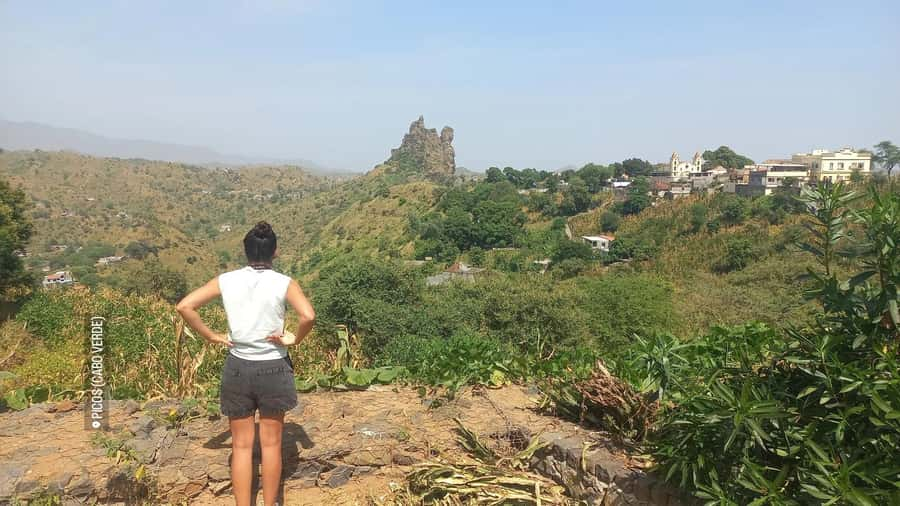
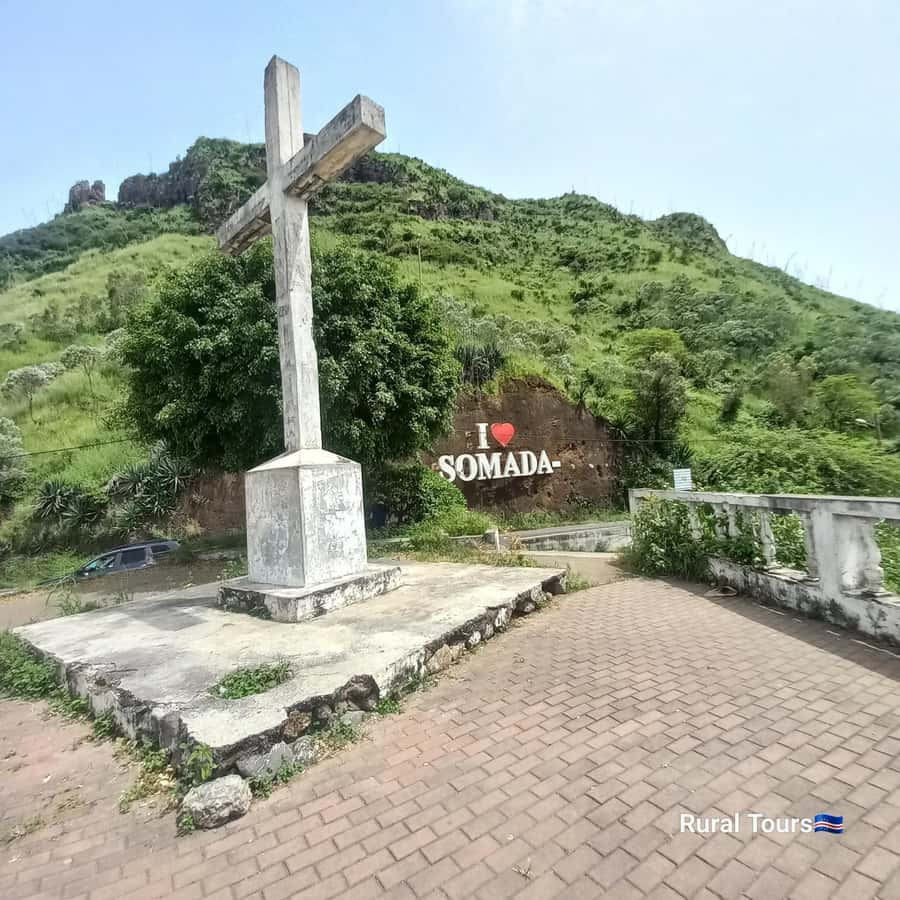
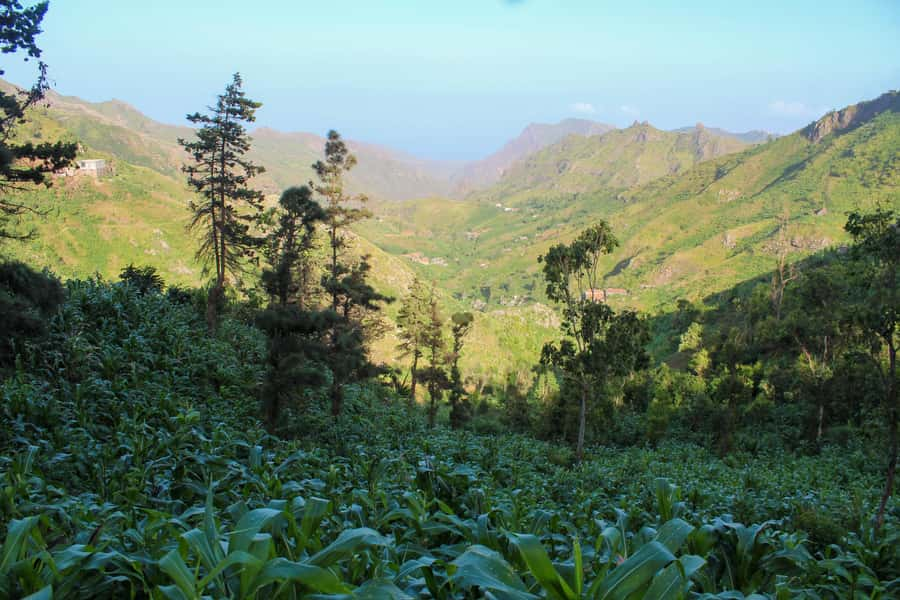
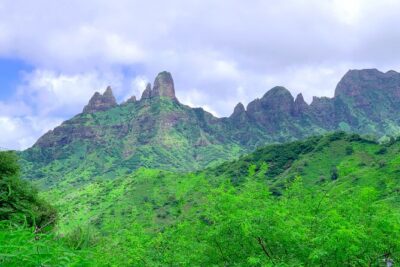
You start at São Domingos, with a short visit that works well as a warm-up. Then you get photo stops for São Lourenço dos Órgãos and Picos. These are quick, but they matter because they set the tone for Santiago’s shape. Cape Verde’s mountains are not just background. They control where villages grow and how people move.
What to do during short viewpoint stops: take 5 minutes to orient yourself, then use the guide time to ask one good question. For example, ask how the geography affects daily life. You’ll usually get more useful context than you would from just taking photos.
Also, bring good walking shoes. Even when the stop says photo stop, there’s usually uneven ground or a bit of a climb to get the angle right.
Assomada market: the guide matters more than the shopping
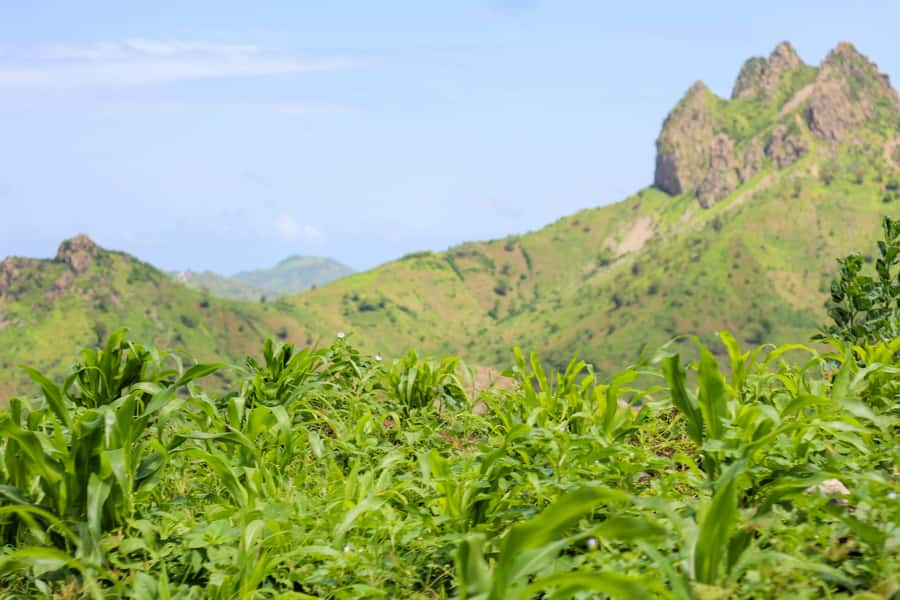
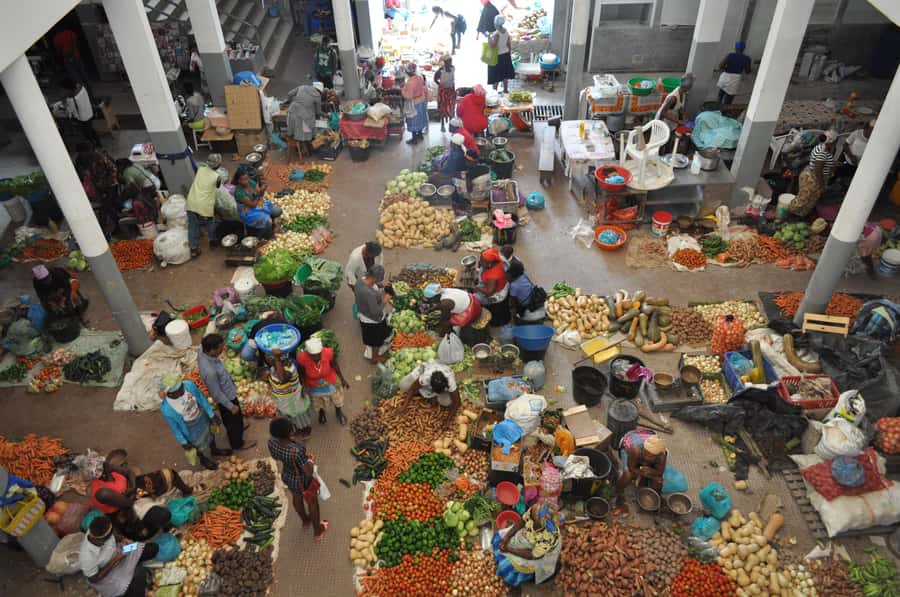
Assomada is where you get a proper pulse check on Santiago. The market portion is guided and timed, which is great because markets can be overwhelming when you do not know what you are looking at.
I especially like markets that include commentary, not just free time. With a guided tour, you can connect what you see to what it means. You learn how people trade, how stalls are organized, and what kinds of goods show up day to day. That is exactly the kind of local culture that makes the rest of the day feel less random.
Then there’s additional time around Assomada city. That helps you move beyond the loud center of the market into streets where you can notice daily details like how people carry supplies, where they pause to talk, and how the town’s layout influences movement.
If you want authentic photos, stand where the flow of people naturally slows. The best shots often happen at entry points, around fruit or bread stalls, and near the spots where shoppers regroup before heading onward.
Serra Malagueta Natural Park and the visitor center tour
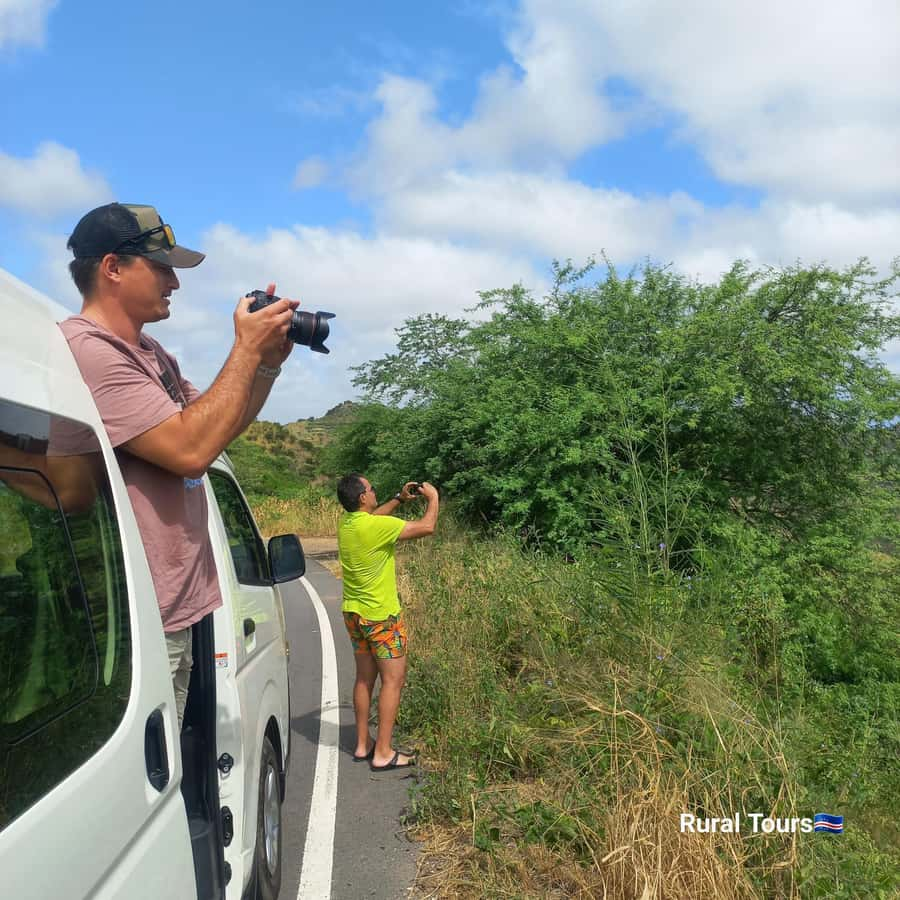
Serra Malagueta Natural Park gives you the kind of views that make you sit down for a minute. You’ll get a photo stop with panoramic scenery, then a longer guided visit at the visitor center.
This is a smart pairing because it prevents the classic mistake of going to a viewpoint without context. A visitor center tour usually helps you understand what you’re seeing, not just admire it. You come away with a framework, so later stops make more sense.
If you’re the type who likes nature but not long hikes, this pacing is probably ideal. You still get the big-picture scenery and the guide’s explanation without committing to a full trekking day.
Tarrafal Concentration Camp, then Tarrafal Beach for a needed reset
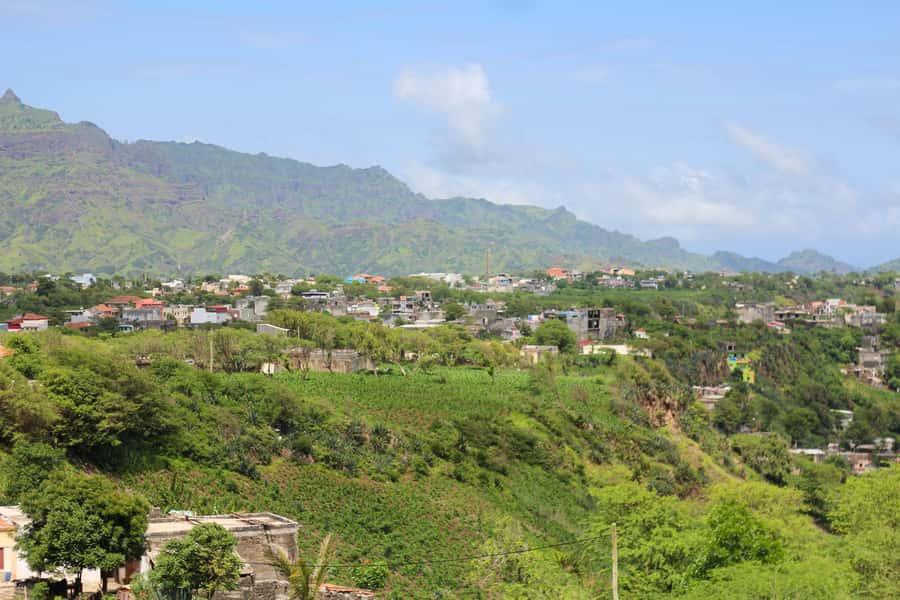
The day turns serious at the Tarrafal Concentration Camp stop. You’ll learn about island history there, and it is scheduled before your beach break. That sequencing matters. You get the context first, then you can breathe after.
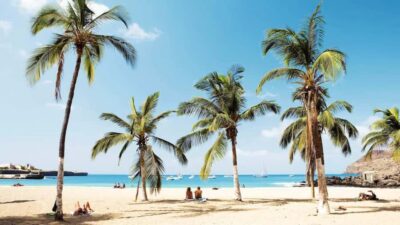
After that, you get time at Tarrafal Beach with about an hour for a break. This is one of the better “mental reset” moments in the itinerary. Beach time is not just about sun. It gives you space to process what you learned and to stop feeling like you’re being rushed.
About lunch: you do have time at Tarrafal Beach, and lunch is commonly something you do during that break. The key point is that you should be ready to handle it your way, since lunch inclusion is not listed as part of what’s included. Pack some snacks just in case, or plan to buy something locally with your own budget.


East-side towns: fishing village time and Calheta de São Miguel
After the beach, you head toward the east side of the island. You’ll spend time in a fishing village, then visit Calheta de São Miguel.
This part of the day is valuable because it shifts you from mountains and markets into coastal routines. Even a short stop can feel like a window into how people live with the sea close by. Look for everyday work details, small boats, and the way people organize around fishing and supplies.
A practical tip: use your guide’s local knowledge to help you read the scene. Ask what’s happening today, or what makes this area’s fishing different. You will get better answers when you ask a question that matches the time period of the day, not a broad “tell me about everything” question.
Boa Entrada and the 700+ year-old kapok tree
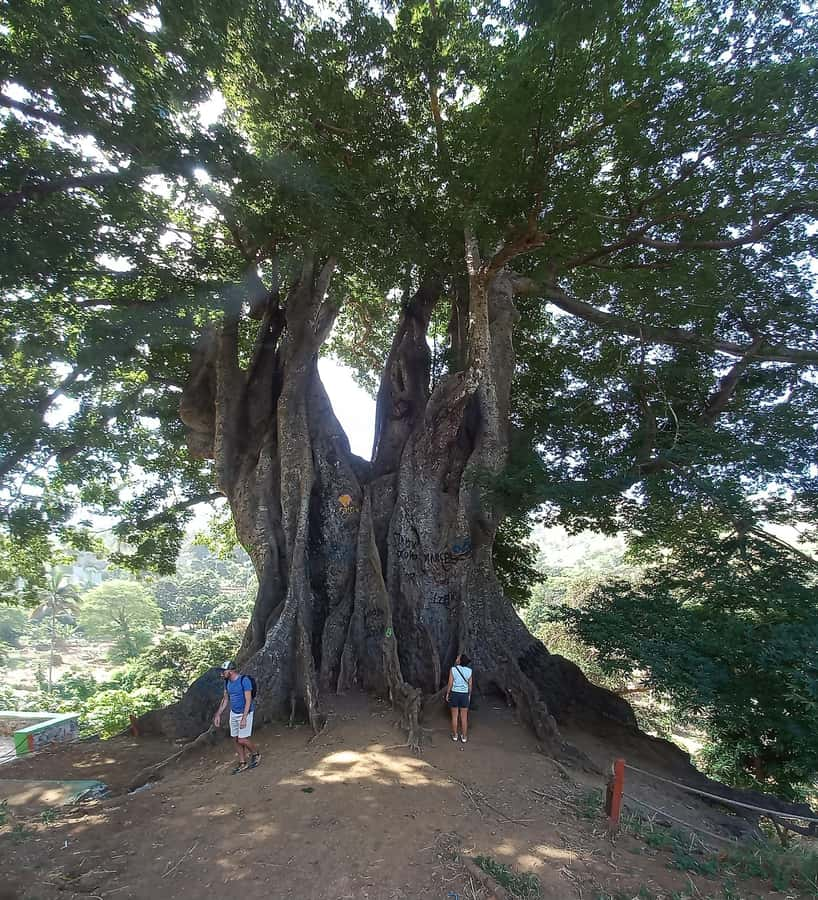
This is one of the standout moments of the tour. You visit the village of Boa Entrada to see the largest and oldest kapok tree in Cape Verde, estimated at over 700 years old.
Why this stop works so well: you’re not just looking at a tree. You’re seeing a living landmark anchored in community space. The guide can connect the tree to how people view endurance and natural heritage on the island.
How to enjoy it: slow down. Even if the stop is not long, take time to notice the tree’s scale and the way it shapes the surrounding area. If you like photography, this is one of those places where the first photo will be easy, but the second and third ones happen after you find the angle that shows scale.
Rabelados community and resistance traditions

Later, you head to the Rabelados village, a community known for resisting colonial rule. This is the part of the itinerary that leans hardest into cultural meaning, not just scenic stops.
The value here is in the human story. When a tour includes time to meet a community and see traditions, you get a different kind of Cape Verde than what’s portrayed in resort brochures. You learn how local identity has been shaped over time, and you see how culture survives through family knowledge, local customs, and everyday practice.
Because this is a community-focused stop, keep your behavior simple and respectful. Ask questions, but do it with a calm tone. If you have specific interests, such as crafts or traditional practices, bring those questions with you and let the guide help translate what you see into something you can understand.
Santa Cruz guided time: another layer of island life
Santa Cruz is included as a guided stop with more time than a typical photo break. This helps the day feel less like a checklist of places and more like an actual “walk around Santiago” lesson.
Guided time is especially useful in Santa Cruz because it helps you interpret what you’re seeing in terms of daily life and local culture. When the guide explains relationships between neighborhoods, history, and current routines, the town stops being a backdrop and becomes a living place you can picture later.
Pedra Badejo plantations: bananas and coconuts up close
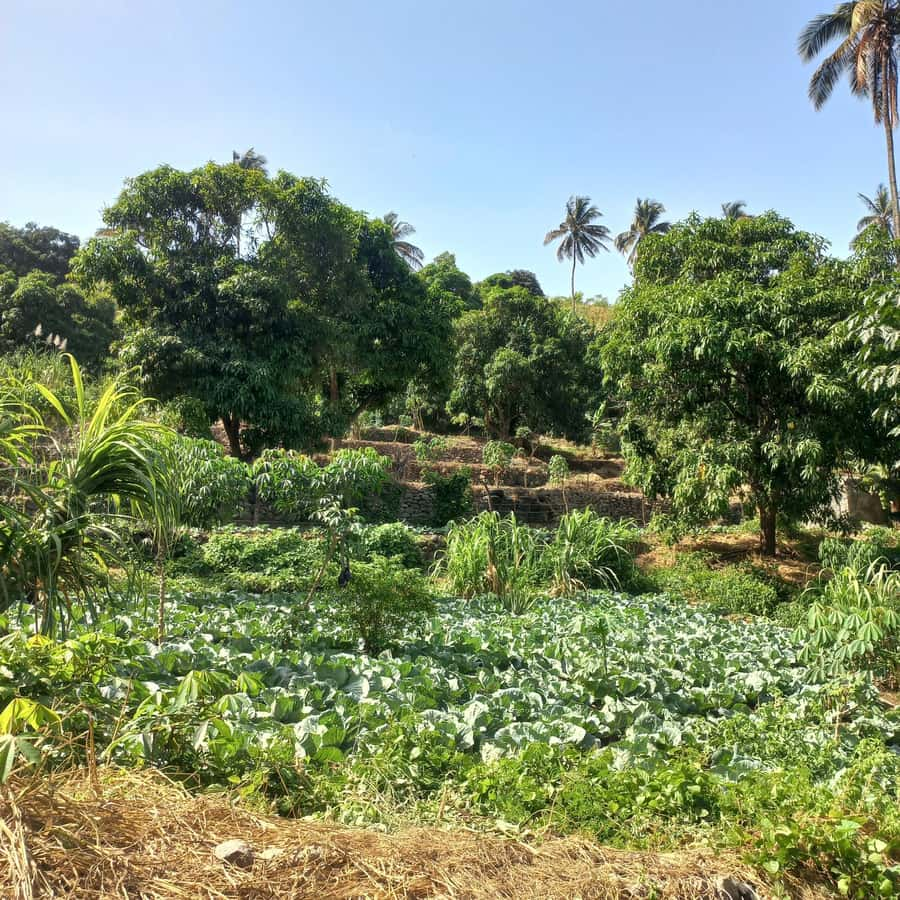
The day finishes with the Pedra Badejo area, known for Santiago’s largest plantation. You’ll have a chance to explore banana and coconut fields.
This stop is a nice counterbalance to markets and mountains. It grounds the day in food and work. It also helps you understand how the island’s geography supports agriculture, and how farming fits into local life beyond the tourist viewpoint.
If you’re curious about how something grows, ask. A good guide can turn a simple field walk into an education on what people cultivate and why.
Price and value: what $141 buys you, and what to watch
At $141 per person for a full 9-hour day, this tour sits in the “worth it if you want coverage” category. Here’s why it can be good value:
- Hotel pickup and drop-off included, so you avoid extra logistics
- Entry tickets to certain attractions are included
- A live guide is on board, and the language options include English, French, Portuguese, and Spanish
- You hit multiple different environments, from markets to nature to coast to rural plantation space
The trade-off is that it’s still a packed day. Some stops are brief, and you might feel like you’re seeing a lot from the road compared to a slower, more focused itinerary. Also, one review pointed out that lunch should have been included at that price level. Since lunch inclusion is not listed as included here, I’d treat meals as your responsibility and plan accordingly.
Bottom line on value: if Santiago is a limited-time stop for you, paying for a guided “whole island in one day” route can be smart. If you already know you want just two or three places and hours at each, you may feel rushed and regret the coverage-first design.
Who should book this tour, and who might skip it
This tour is a strong fit if you:
- Have limited time on Santiago and want a broad overview
- Like having local guides explain history and culture at multiple stops
- Enjoy mixing markets, nature views, and community visits
It may be a poor fit if you:
- Need wheelchair access. This tour is not suitable for wheelchair users.
- Are older than 95. It’s not suitable past that age limit.
- Prefer slow travel and long stays in one place.
Also pack for comfort. You’ll want comfortable shoes and comfortable clothes. You’re outdoors for viewpoints and village moments, and the day includes walking and uneven ground.
A final check before you decide
If your goal is to get your bearings fast on Santiago, this full-day route is a solid pick. The combination of Assomada market time, Serra Malagueta nature stops, Tarrafal history, and rural village and plantation experiences is exactly the kind of “first time on the island” package that can save you from planning headaches.
If you do book it, go in with the right mindset: treat it as a guided sampler, ask questions at the short stops, and use your beach time to slow down. With a good guide like Edmilson, the day can feel more like learning the island than just driving through it.
FAQ
How long is the Santiago full-day tour?
The tour lasts 9 hours.
Do I get hotel pickup and drop-off?
Yes. Hotel pick-up and hotel drop-off are included.
What languages are the live guides available in?
The live tour guide is available in English, French, Portuguese, and Spanish.
Is this tour a private group?
Yes. It is listed as a private group.
What should I bring for the day?
Bring comfortable shoes and comfortable clothes.
Are wheelchair users able to join?
No. The tour is not suitable for wheelchair users.
Is the tour suitable for very elderly travelers?
No. It is not suitable for people over 95 years old.
Are entry tickets included?
Yes. Entry tickets to visit certain attractions are included.
Is alcohol allowed during the tour?
No. Alcohol and drugs are not allowed.
Is lunch included?
Lunch time is part of the Tarrafal Beach break, but lunch inclusion is not specifically listed in what is included.
Full Day Trips Across the Islands
All Our Cape Verde Reviews


Santiago Island, More Routes
More Cape Verde tours from the same review pile
- Private Tour of Santiago – Discover the Island
★ 4.8 · 5 reviews - Santiago Island: Full-Day Tour
★ 4.3 · 5 reviews - Day with locals people
★ 5.0 · 6 reviews - Boat Trip to Aguas Belas Cave+Barbecue
★ 5.0 · 6 reviews - Full-Day Santiago – Villages, Nature & Local Culture
★ 4.7 · 17 reviews - Praia: Day trip by minibus for cruise passengers
★ 4.7 · 38 reviews
Santiago Island Tours, compared.
 ★ 4.8Praia: Santiago Island Tour with Tastings and Tarrafal BeachFrom $76416 reviews
 ★ 4.8Santiago: Landscapes, Street Art, and Markets Day TripFrom $70316 reviews
 ★ 5.0Santiago Island Tour: Meet with a Local Family & Tarrafal BeachFrom $103127 reviews
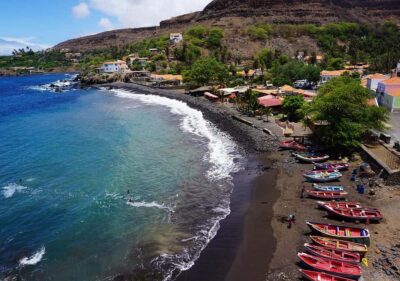 ★ 4.9Santiago Island: Highlights of Cidade Velha with Local GuideFrom $5767 reviews
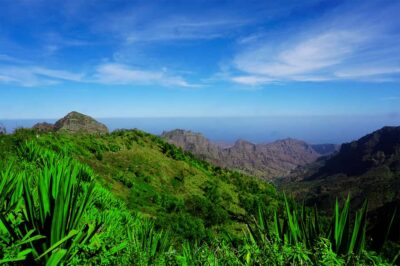 ★ 4.8Santiago Island: Serra Malagueta & Tarrafal Beach Trek TourFrom $10661 reviews
 ★ 4.8Santiago: Calabaceira Valley Trek & Visit to Cidade VelhaFrom $8249 reviews
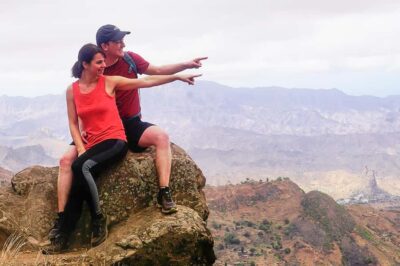 ★ 4.8Santiago: Monte Tchota Natural Park to Pico d’Antónia HikeFrom $10043 reviews
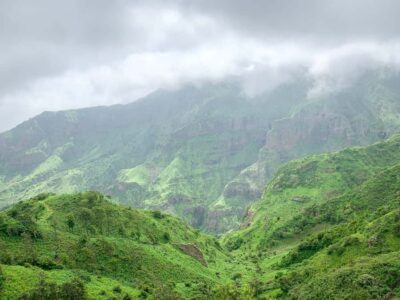 ★ 4.6From Praia: Santiago Island Highlights TourFrom $10640 reviews
Browse the lists this tour appears in