
REVIEW · CAPE VERDE
Day with locals people
A real farm-house day on Santiago beats any checklist. You get a full 8 hours with Eloisa and her family, from the Assomada market to the village of Mato Baixo, where you cook classic Cabo Verde dishes and share lunch in a home setting. The focus is practical, hands-on, and very human, not a quick photo stop.
What I like most is how the day turns into skills you can actually understand, especially learning couscous techniques and how it is cooked on a traditional three-stone stove. Second, you also get the fun stuff that feels local, like sugar cane juice tasting through its stages, plus a dance session with Eloisa and her kids. One thing to consider, this is not suitable if you have food allergies since you will prepare and taste traditional dishes.
Key highlights at a glance
- Assomada market time to interact with Cape Verdean women and pick ingredients
- Cook couscous with Eloisa’s family using local methods
- Three-stone stove cooking that shows how food is made without shortcuts
- Crush and taste sugar cane juice through different stages
- Family lunch and food tasting in a farm-house setting
- Traditional dance session taught in a relaxed, everyday way
In This Review
- Entering the rhythm of Santiago with Eloisa and family
- From Assomada market to real ingredients for your plate
- The village of Mato Baixo and the farm-house cooking set-up
- Cooking couscous and traditional dishes with hands-on guidance
- Sugar cane juice tasting, crushed by hand
- Family lunch and a dance session you will not want to skip
- Price and value: is $106 for 8 hours worth it?
- Who should book this day with locals, and who should skip it
- Practical tips for enjoying every stop without stress
- Should you book this day with locals on Santiago?
Entering the rhythm of Santiago with Eloisa and family
This type of tour is built for people who like real daily life more than big monuments. Your day starts with a welcome from Eloisa and her family, and you immediately feel the difference between watching cooking and learning it. The experience is designed around doing, talking, tasting, and asking questions.
One of the smartest parts is that the hosts are not hiding behind a script. In past days, Eloisa has brought in her family circle, with support from guides such as Malory and Ze, plus Fernando showing up in the mix. That matters because it turns the tour into a conversation. You are not just following instructions, you are understanding why certain steps matter.
You can expect a “whole-day” pace. It is not rushed, and it is not padded. That is why it works so well when you want to feel Santiago’s culture in the hands and on the plate, not just in the background.
The tour is also described as a private group, so you should get a calmer atmosphere than larger group tours. Just remember, because it is hands-on and food-centered, you need to be comfortable participating, not observing from the side.
From Assomada market to real ingredients for your plate
The day includes a visit to a traditional market in Assomada, and this is one of those stops that changes how you experience everything else later. You get time to interact with Cape Verdean women, ask questions, and buy the necessary products for a typical Cabo Verde meal.
Markets can feel chaotic if you treat them like a shopping mall. Here, the goal is different. You are learning what ingredients matter and how people think about cooking at home. That makes your later lunch feel earned, because you can connect each ingredient to a dish you will help prepare.
Also, the market visit is not only about buying items. It is about learning the social side of food. You will see how people move, how they choose produce, and how conversation fits into everyday errands. Even if you do not speak all the local language, a guide and friendly hosts can help you get the gist fast.
If you like market days, you will probably love this part. If you hate bargaining or crowds, try to relax your expectations. You do not need to turn it into a deal-making contest. Think of it as guided shopping with cultural context.
The village of Mato Baixo and the farm-house cooking set-up
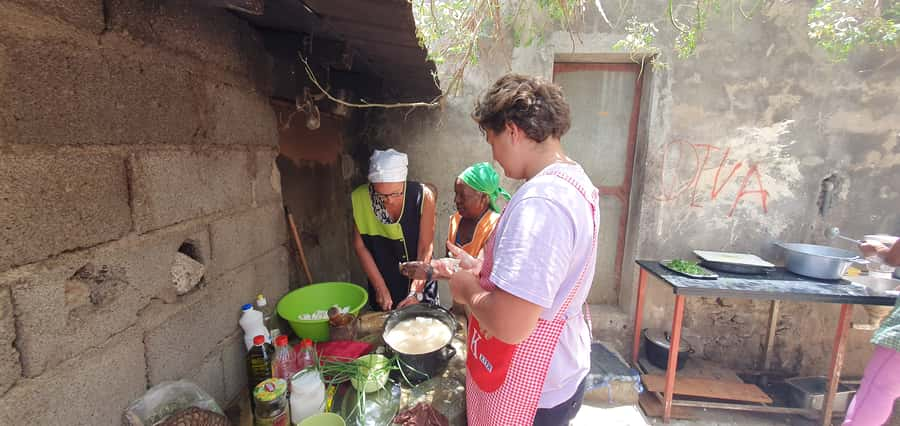
After the market, you move on to Mato Baixo and spend the rest of the day in a farm-house setting. This shift is key. It is one thing to see ingredients on shelves, and another to understand how they transform into meals without modern equipment.
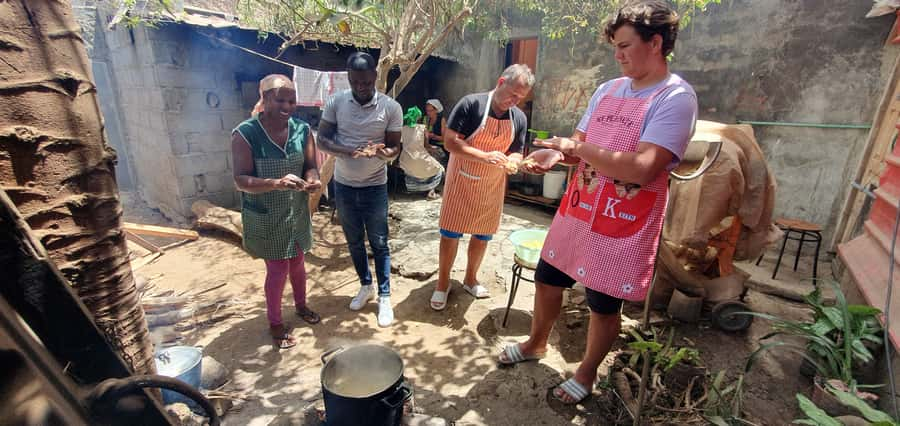
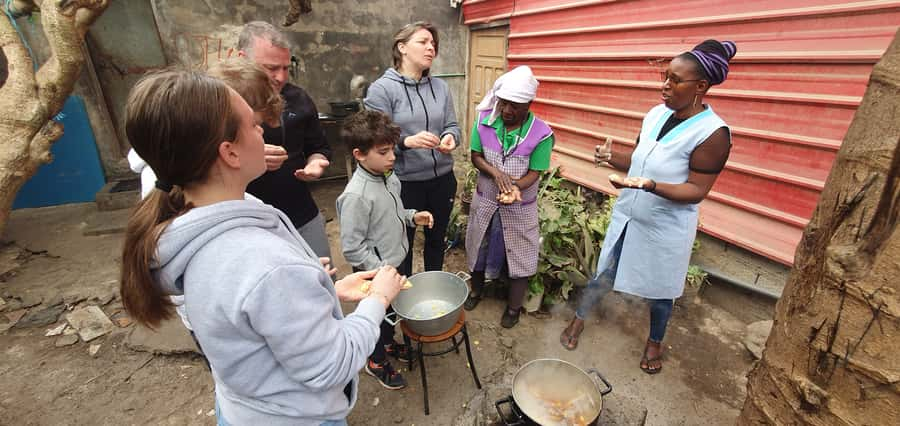
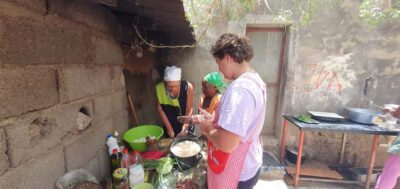
In Mato Baixo, you will learn techniques of cooking on a three-stone stove. That stove type is simple, but it is not “primitive for the sake of it.” It is a practical design that people have used for generations. When you cook this way, you notice how heat control works, how timing matters, and how the stove shapes what you can cook well.
This is where the tour earns its credibility. The day is built around traditional dishes of Santiago Island, and couscous is a major part of it. You will be welcomed by Eloisa and family, and you will learn how to make the famous couscous, along with secrets tied to other traditional plates. In other words, you are not just following a recipe, you are learning method.
One consideration: because this is farm-house cooking, you should expect a real-world environment. It can be warm, and you may be working with food textures and tools that feel unfamiliar. The upside is that you also get an authentic lesson you cannot replicate from a cooking class in a city kitchen.
Still weighing it up? These are the Cape Verde trips we keep sending people on.
- Island tour with German-speaking guide for cruise guests★ 4.1 · 91 reviews
- From Praia: Santiago Island Highlights Tour★ 4.6 · 40 reviews
- Praia: Day trip by minibus for cruise passengers★ 4.7 · 38 reviews
- Full-Day Santiago – Villages, Nature & Local Culture★ 4.7 · 17 reviews
- Santiago Island Experience★ 5.0 · 12 reviews
Cooking couscous and traditional dishes with hands-on guidance
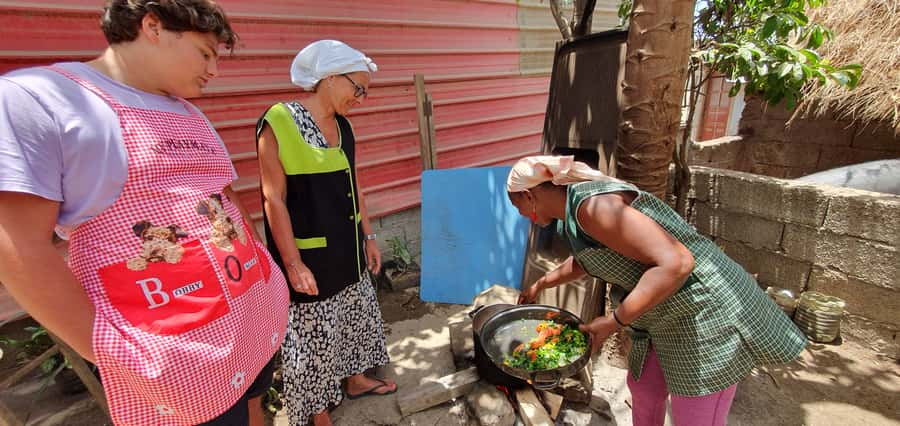
Couscous is often described like it is one standard thing. On this day, you get the bigger picture. You learn the techniques behind it, guided by Eloisa and her family, and you understand how local steps shape flavor.
The tour also brings in an older woman of the region to share secrets of traditional dishes. That is not just a nice detail, it is a reminder that food knowledge lives in people, not in books. When elders share steps, you learn why they do certain actions. You also see how traditions keep moving through the household.
You will likely cook with a group of people, but the “private group” format keeps it more manageable. You can ask questions without feeling rushed. And since the goal is food tasting and lunch with the family, the pacing supports learning, not just production.
A small but meaningful tip: when you are cooking, focus on the few steps your guide emphasizes most. You may not remember every detail, but you will walk away with a mental map of how the dish comes together: prep, stove rhythm, timing, and how ingredients combine.
If you are the kind of traveler who loves food but gets bored by lectures, this part fits you. It turns the kitchen into a classroom that you can touch.
Sugar cane juice tasting, crushed by hand
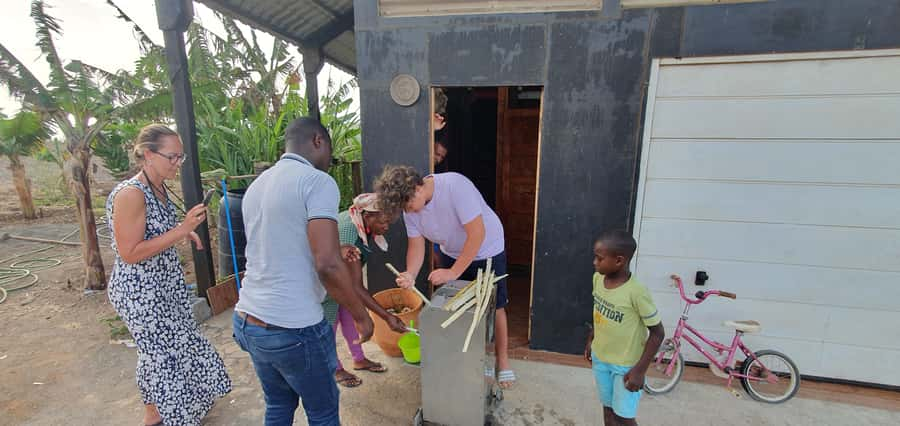
This tour includes a sugar cane segment that sounds simple, but it is actually memorable. You will crush sugar cane to get the juice, and then taste it through its stages.
That matters because sugar cane is not only about sweetness. The stages can change how it feels, tastes, and behaves in your mouth. The tour makes it a mini experience, not a quick sample. You are doing the work, then tasting the result.
It also connects to the farm-house vibe. You are not just cooking a meal in the abstract, you are experiencing how local products become part of daily life.
If you have a sweet tooth, this is one of the highlights you will remember after your trip. If you are not into sugary things, you can still enjoy it as a cultural stop. It is part of how Cape Verdeans turn raw ingredients into something enjoyable, and you get to participate directly.
Family lunch and a dance session you will not want to skip
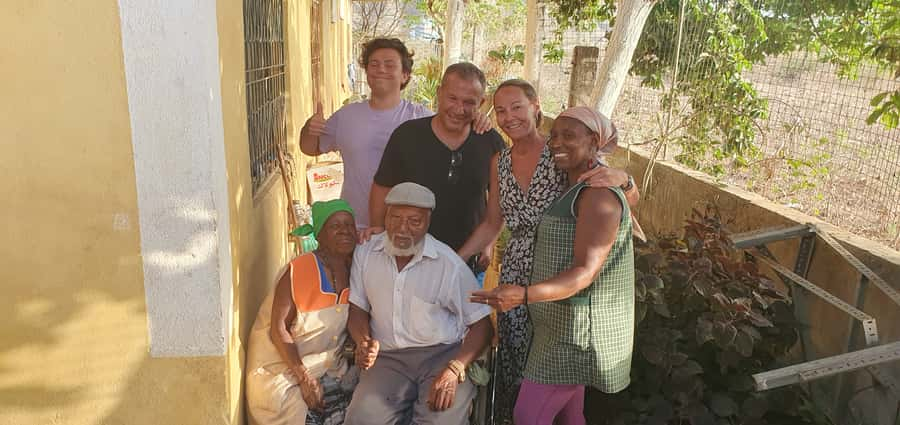
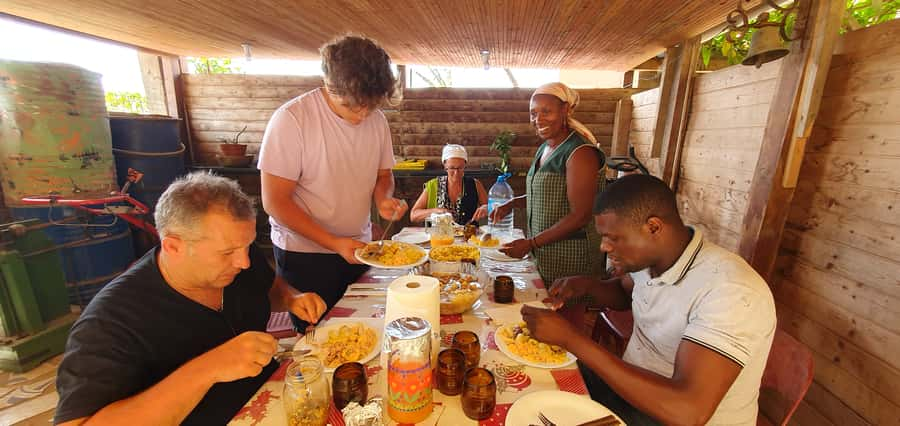
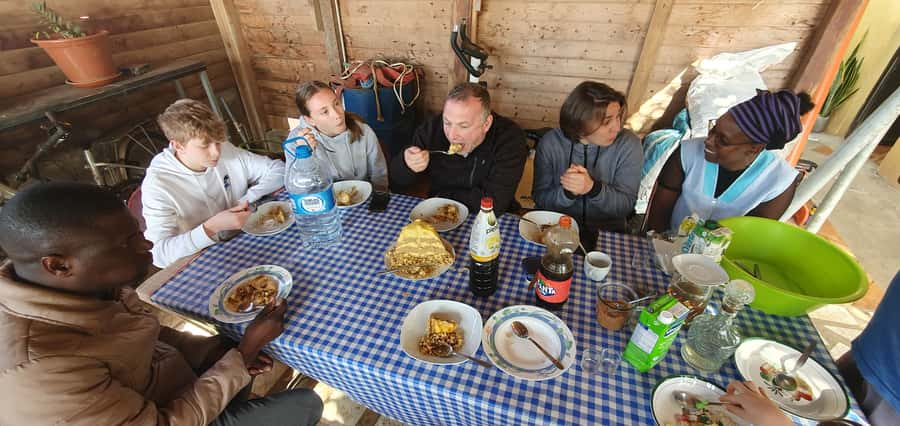
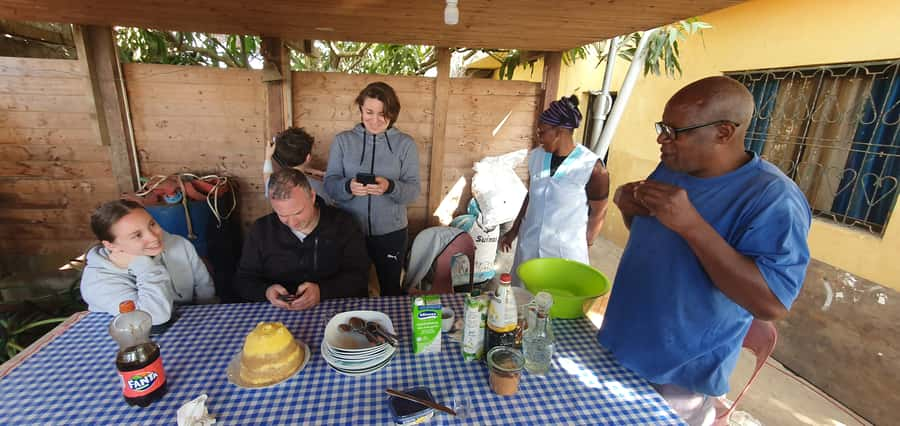
Lunch is not just food served to you. It is described as a family lunch, with food tasting. That means you are sitting down as part of the household rhythm, and you are likely eating what you helped prepare, at least in key parts.
That is a big value point for this tour. Cooking experiences often stop at making food. Here, the tasting is built in. You do not leave the kitchen wondering how your dish turned out, you get to taste it and understand what “good” should feel like.
Then comes the dance session, taught as part of the day. It is the kind of activity that can feel awkward on paper, but it usually lands well in this kind of family setting. The atmosphere is playful, and because it is connected to the household, it feels less like a performance and more like celebration.
In one past day, the group danced with Eloisa and her kids after lunch, and the tone was enthusiastic and welcoming. That is exactly how you want it to be. You should leave with stories, not just photos.
One practical consideration: if you are not comfortable moving much, the dance might feel like extra. But if you are game to try, you will likely enjoy the change of pace after a hands-on cooking day.
Price and value: is $106 for 8 hours worth it?
At $106 per person for an 8-hour day, the pricing makes sense when you look at what is included. You get hotel pickup and drop-off, a live guide, market time, cooking instruction, ingredients tied to the meal, a family lunch with food tasting, sugar cane juice preparation, and a dance session.
Many “food tours” only cover a portion of that, like market plus a meal, with the cooking done by someone else. Here, you actively prepare traditional plates, and you also learn the cooking technique on a three-stone stove. That is a higher-effort experience than simple tastings.
The other big value factor is the private group format. Even without knowing the exact group size, private means you are less likely to get lost in a crowd. You also tend to get better attention from guides and hosts, especially when the activity is interactive.
If you are budgeting, think of what you would pay for a market guide, a cooking class, lunch, and transportation on your own. Add in the cultural components like sugar cane tasting and dance. Suddenly $106 looks less like a “tour price” and more like buying one carefully packed day.


Who should book this day with locals, and who should skip it
This is a great match if you like food culture, hands-on learning, and spending a day in local life. If you enjoy cooking topics, you will love the couscous lesson and three-stone stove technique. If you enjoy markets, you will appreciate Assomada because it connects ingredients to meals. And if you want something beyond food, the dance session gives you a release valve after a busy kitchen day.
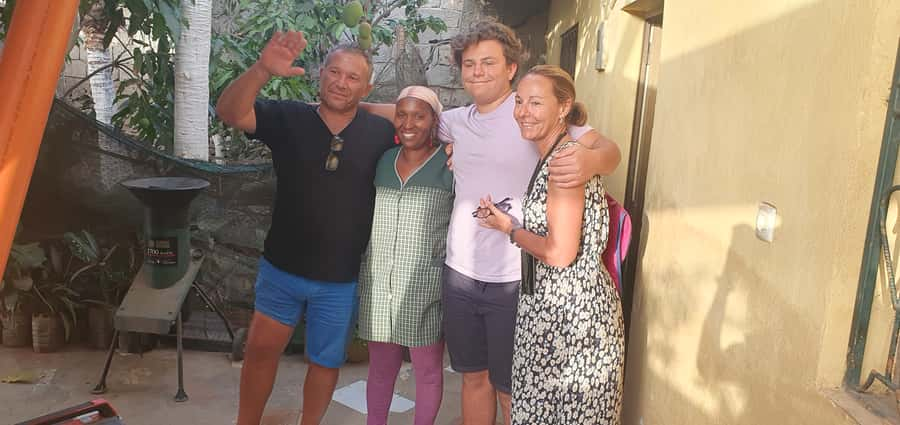
It is also a good fit for travelers who want warmth and interaction. Eloisa and her family hosts the experience, and the reviews place a lot of emphasis on hospitality and fun. This kind of tour tends to work especially well for solo travelers who want conversation, and for couples or small groups who want shared activities.
Skip it if you have food allergies. The tour is explicitly marked as not suitable for people with food allergies, because you will prepare and taste traditional dishes.
Practical tips for enjoying every stop without stress
This day is structured around three main settings: the market, the farm-house kitchen, and the time for food and dancing. To get the best day, plan to be flexible and participate.
First, be ready for hotel pickup and the timing around it. You should wait at the set place about 10 minutes before your scheduled pickup time so the day stays smooth.
Second, come prepared to get involved. You will crush sugar cane, cook on a stove, and handle ingredients as part of preparing plates. If you are worried about getting a bit messy, do not. Just bring the right attitude. This tour is meant for participation.
Third, pace yourself with food and sugar cane tasting. You will be eating lunch as part of the family meal, so keep your expectations grounded. You do not need to treat it like a diet day, it is a cultural meal day.
If you want to remember details, ask your guide simple questions during the cooking. Things like what step matters most or what changes flavor can turn the lesson into real knowledge you can carry home.
And if you speak French, English, or Portuguese, it helps a lot. The live guide supports those languages, so you can connect more deeply when you ask questions.
Should you book this day with locals on Santiago?
Book it if you want a real local day, with assistance from Eloisa and her family, a market stop you can actually use, and cooking lessons tied to traditional food on a three-stone stove. The mix of learning, tasting, and dancing makes it feel complete.
Think twice if you have food allergies or if you want only sightseeing. This is a participation-based experience, and it is not designed for travelers who prefer to observe everything from a distance. If you are comfortable joining in, this is the kind of tour that turns Santiago into something you can taste and remember.
All Our Cape Verde Reviews



More Cape Verde tours from the same review pile
- Private Tour of Santiago – Discover the Island
★ 4.8 · 5 reviews - Santiago Island: Full-Day Tour
★ 4.3 · 5 reviews - Day with locals people
★ 5.0 · 6 reviews - Boat Trip to Aguas Belas Cave+Barbecue
★ 5.0 · 6 reviews - Full-Day Santiago – Villages, Nature & Local Culture
★ 4.7 · 17 reviews - Praia: Day trip by minibus for cruise passengers
★ 4.7 · 38 reviews