
REVIEW · SANTIAGO ISLAND TOURS
Santiago: Landscapes, Street Art, and Markets Day Trip
Markets, cliffs, and seafood, all in one day. I love the energy of Assomada Market and I love the reset you get at Tarrafal Beach, with a full day that mixes everyday life with big island scenery. The main drawback to plan for is that lunch and drinks are not included, so you’ll want cash or a quick decision with your guide for what to eat by the sea.
This trip works because it is built for a small group, capped at 8 people. Guides like Bravo, Antonio, José, Alex, and Manuel show up again and again in feedback for being funny, organized, and genuinely tuned in to the group, not just reciting facts from a checklist.
You’ll also get a smart mix of short stops and photo breaks: farms and viewpoints up high, then coastal time where the day slows down. If you dislike car rides and prefer long stays in one place, you may find the pace a bit busy.
In This Review
- Key things to know before you go
- Santiago in one day: why this route makes sense
- Pickup in Praia and cruise-terminal timing: the practical part
- Picos village and Mount N’Gulilansa: the strange rock you remember
- Assomada Market and street life: what you’ll notice on foot
- Serra Malagueta Natural Park: the 800-meter viewpoint payoff
- Tarrafal Beach: the swim break and how to handle lunch
- The east coast drive and Calheta de São Miguel: Atlantic-side views
- Pedra Badejo and the plantations: coconut water and fruit vendor moments
- Guides can make or break the day: what to look for
- Price and value: is $70 a good deal for an 8-hour loop?
- What to bring, what to budget, and how to time your day
- Should you book this Santiago day trip?
- FAQ
- How long is the Santiago day trip?
- Where does pickup happen?
- Is transportation included?
- What’s included in the price?
- What is not included?
- How many people are in the group?
- What languages are offered for the live guide?
- What should I bring and how should I prepare for the day?
Key things to know before you go

- Assomada Market on Wednesdays and Saturdays for colorful produce stalls and street-side life
- Picos and Mount N’Gulilansa to see the oddly animal-like rock formation and farming village rhythm
- Serra Malagueta Natural Park viewpoint (800 meters) for panoramic photos over Santiago’s greenery
- Tarrafal Beach free time (2 hours) to swim, watch fishermen, and choose a grilled seafood lunch
- East-coast drive via fishing villages and Calheta de São Miguel for the Atlantic side many visitors skip
- Pedra Badejo banana and coconut plantations with local fruit vendors and sweet coconut water
Santiago in one day: why this route makes sense

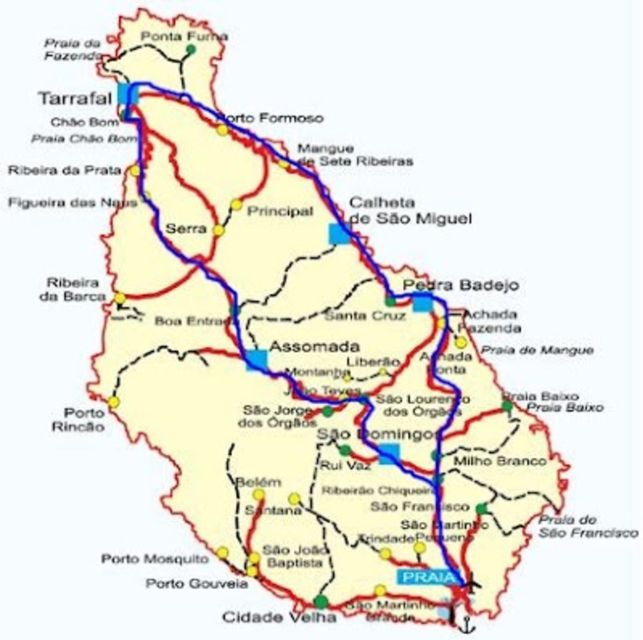
Santiago can feel big when you only have a day or two in Praia. This tour solves that by doing a loop that connects three different sides of the island: inland village life, high-elevation views, and the coastal east where small fishing settlements hug the mountains.
I like that the day is not just “drive, look, drive again.” The stops are short, but they’re placed where they answer real questions. What kind of work do people do? How does the island look from above? Where do you go to cool off with ocean air? The itinerary gives you quick, usable impressions, and it also leaves room for you to breathe at Tarrafal.
This is also where the small-group size matters. With a maximum of 8 participants, you’re less likely to get stuck feeling rushed. When your guide is patient, you can ask things like how the island’s agriculture works or what you’re actually seeing from a viewpoint instead of just snapping photos and moving on.
Pickup in Praia and cruise-terminal timing: the practical part
You’re picked up by your guide at your hotel in Praia or at the cruise terminal, and then you start with a scenic drive into the interior. The exact pickup time depends on the day’s schedule, but plan for a full day outdoors. This is an 8-hour experience, and most of it is active, including drive time between stops.
The practical advantage is that you do not need to figure out transport or routes on your own. Even if you enjoy exploring, renting a car for just one day can be a lot of hassle. Here, you get door-to-door convenience, plus a certified guide who can explain what you’re seeing while you travel.
It’s also multilingual. Live guide languages include German, English, French, Italian, Portuguese, and Spanish. If you’re traveling with mixed language comfort, this helps the group stay connected.
Santiago in other shapes, coast and interior
- Santiago: Calabaceira Valley Trek & Visit to Cidade Velha★ 4.8 · 49 reviews
- Santiago: Monte Tchota Natural Park to Pico d’Antónia Hike★ 4.8 · 43 reviews
- Discover Santiago island in 1 day★ 5.0 · 39 reviews
- Santiago Island: 4-Hour Calabaceira Valley Hike & Guided Tour to Cidade Velha★ 5.0 · 18 reviews
- Private Tour of Santiago – Discover the Island★ 4.5 · 18 reviews
Picos village and Mount N’Gulilansa: the strange rock you remember

The day often starts with a stop in Picos, a small farming village where agriculture supports much of the local life. This part of Santiago is slower, more grounded. You’re not there for shopping. You’re there to look at how people live and how the land shapes the day.
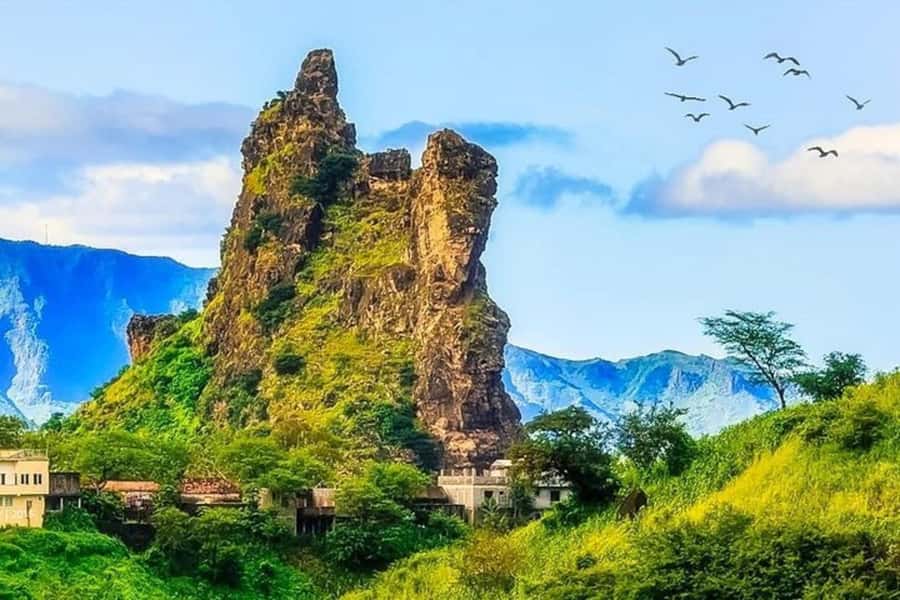
Then comes Mount N’Gulilansa, described as a rock formation that resembles a strange animal. It’s treated as one of the seven natural wonders of Cape Verde and as a proud symbol of Santiago. Even if you’re not the type to care about geology, this stop tends to land because the rock is unusual and because the surrounding farms help you understand why it’s meaningful to residents.
What to watch for here:
- Farming patterns and how the village sits in the terrain
- The scale of the rock formation once you can see it from the right angle
- Your guide’s stories about daily life on Santiago, which makes the visuals feel less random
A small consideration: because this is a brief stop, it’s not the moment for long walking. It’s built for short viewing and photo opportunities.
Assomada Market and street life: what you’ll notice on foot

Assomada is Santiago’s main commercial hub, and the tour gives you time to experience it at human speed rather than as a quick roadside glimpse. On Wednesdays and Saturdays, you can visit the colorful vegetable market, which is a strong reason to pick this day trip on those specific weekdays.
You’ll likely get about 30 minutes for the market area, plus time to wander nearby. Depending on arrival time, you may also:
- Stroll a pedestrian street
- Meet street vendors
- See the central church
One detail I find especially useful for your expectations: guides often help you interpret what you’re seeing. In feedback, guides like Antonio used multiple languages and even shared plant knowledge that made the market more than just a photo stop. That kind of context helps you understand the relationship between what people sell and what they grow.
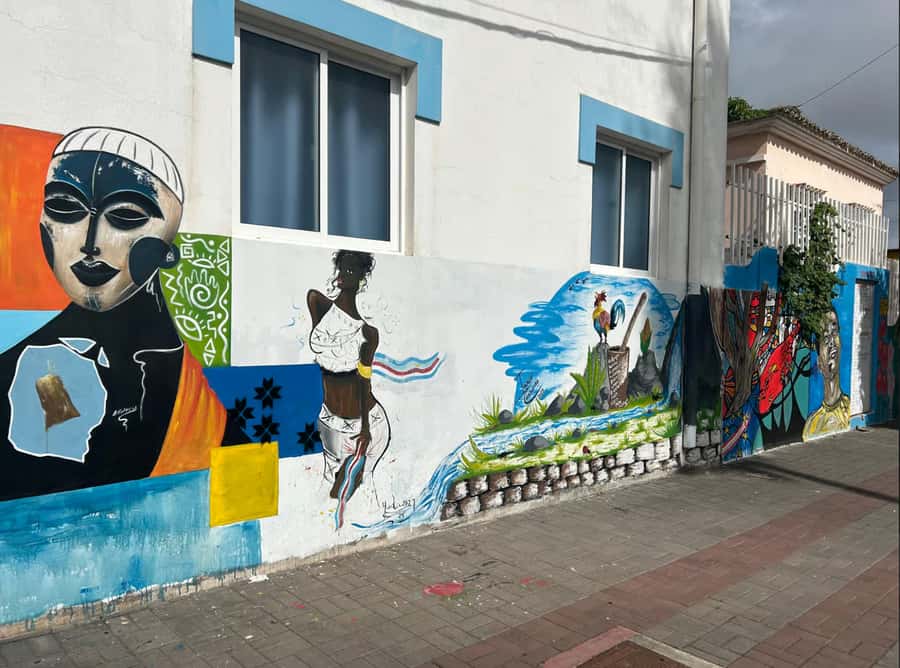
Also, there’s often street art spotted during walking stretches in Assomada. If you like murals, it’s worth keeping your phone camera ready, but don’t treat it like a “street art tour.” The market is the main event.
If you want to buy something, bring some cash. Lunch and drinks are not included, but market snacks and small purchases can be part of the fun.
Serra Malagueta Natural Park: the 800-meter viewpoint payoff
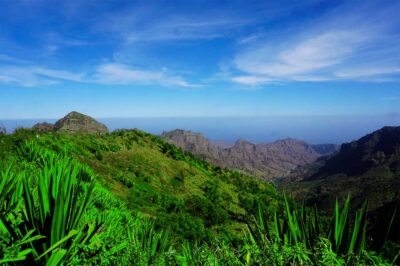
Next comes Serra Malagueta Natural Park, one of the tour’s biggest “wow per minute” moments. The park is located around 800 meters above sea level, and that elevation is exactly why your photos tend to look better here. You get panoramic views across Santiago’s lush scenery and can see how the island folds into valleys and ridgelines.
The stop is about 10 minutes for a photo stop and views on the way. That’s short, but it’s realistic. You’re not expected to turn this into a hike. The goal is a good look and a clear mental map of the island’s geography.
What makes this stop valuable for you:
- You get an instant sense of where the land rises and how the coast connects to the interior
- It breaks up the day so Tarrafal doesn’t feel like the only “pretty” part
- It helps you appreciate why the east coast drive feels so dramatic later
Practical advice: wear breathable clothes and be ready for sun. A sun hat and water are worth it even if you don’t do much walking.
Tarrafal Beach: the swim break and how to handle lunch
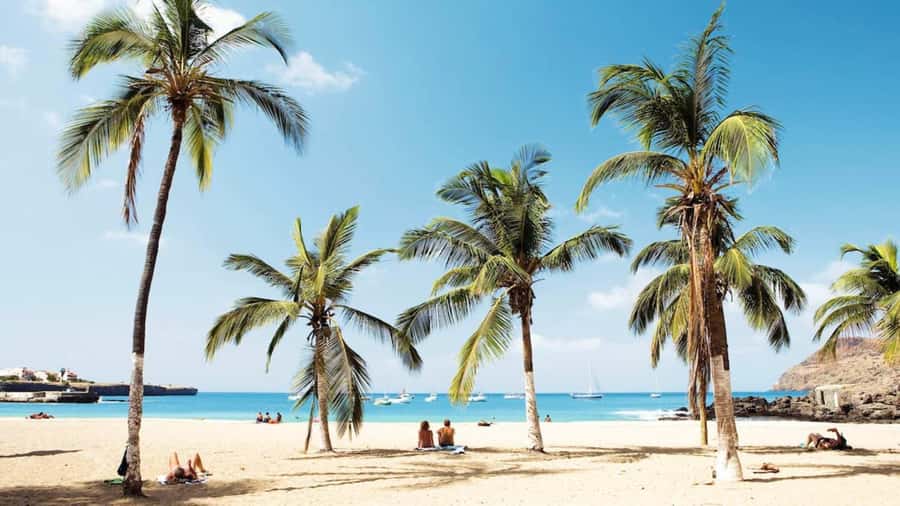
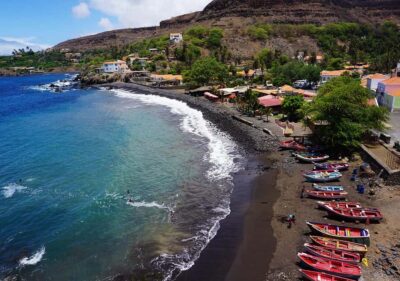
Tarrafal is the relaxed coastal town where the tour slows down. You get about 2 hours of free time, including Tarrafal Beach with options to swim and soak up sea air.
This is the moment I think about when I hear people say the tour feels well paced. You’ve been in motion since pickup, so having a true beach window matters. You can also watch fishermen return from the sea, which adds a real local rhythm to the visit instead of making it feel like a generic beach stop.
Food is where you need to plan. Lunch is not included, but your guide can help you arrange it. Feedback often highlights grilled seafood lunch suggestions in Tarrafal. If you’re the kind of person who eats where locals eat, ask your guide for a reliable choice when you’re there, not before.
One more helpful tip from feedback: some guides treat the beach portion as a comfortable window for conversation. That can mean quick cultural sharing, and in a few cases, guides have added fun touches like music, dance moves, or small local tastings earlier in the day. If that happens, it makes the Tarrafal break feel like more than just time on sand.
Bring swimwear and a towel. You’ll be glad you did.

The east coast drive and Calheta de São Miguel: Atlantic-side views
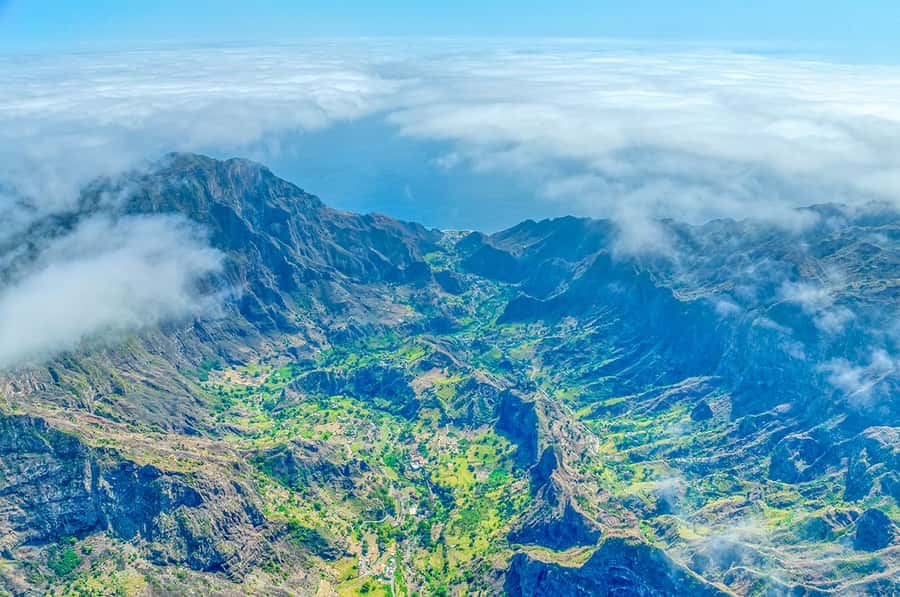
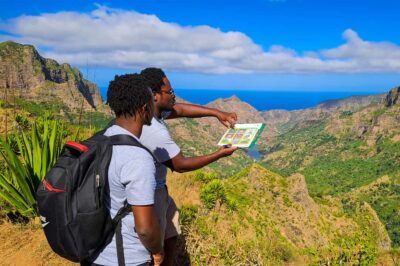
After Tarrafal, the route turns toward the wild east coast, an area many visitors miss because it’s not the easiest side to reach without a plan. You’ll pass dramatic coastal views and see small fishing villages tucked between mountains and the Atlantic Ocean.
You’ll also have a photo stop at Calheta de São Miguel for about 10 minutes. This is designed as a quick viewpoint moment, so keep your expectations realistic. You’re looking, photographing, and moving on.
Why this segment is worth it:
- It shows the island’s coastline as a working environment, not just scenery
- It helps you connect what you saw in the interior to how people live by the sea
- It creates that “Santiago has many moods” effect that sticks with you later
In short, it prevents your day from being all market and beach. It adds texture, and it’s part of why the tour feels like more than one stop repeated.
Pedra Badejo and the plantations: coconut water and fruit vendor moments
The final stretch often includes Pedra Badejo, where you pass the island’s largest banana and coconut plantations. This is another brief but memorable photo stop, about 15 minutes, designed to put local agriculture in front of you again, but in a different form than Picos.
This is also where the tour tends to become snack-friendly in a very Cape Verde way. You may meet fruit vendors and get a refreshing drink of sweet coconut water. In feedback, guides even helped people taste coconut and understand where it comes from, which makes the stop feel more alive than a roadside picture.
If you’re sensitive to sun or want to pace yourself, this is a good moment to slow down mentally. You’re near the end of the day, so treat it as a final reset before returning to Praia.
Guides can make or break the day: what to look for
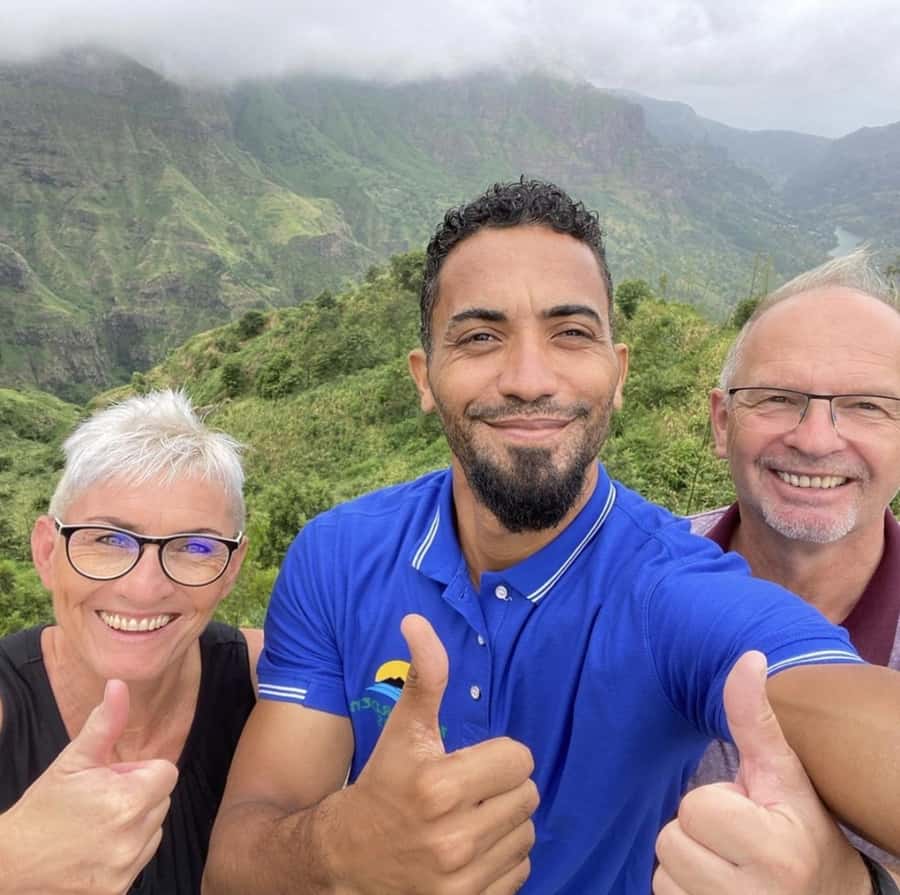
The tour’s structure is solid, but the guide’s style is what keeps it from feeling like a checklist. In the strongest feedback, guides were praised for:
- Being funny and curious, not just formal
- Talking about the island with real specificity
- Helping the group with photo stops so you’re not standing in the wrong spot
Specific guide names show up often. Bravo gets high marks for competence and humor. Antonio is praised for using multiple languages and adding plant knowledge. José is praised for storytelling and organization. Alex appears again and again for being attentive and fluent across languages. Manuel is also mentioned for on-time pickup and a smooth, scenic day.
A few guides also add cultural extras beyond the core stops, such as local music or even short dance lessons, plus tastings like Cape Verdean rum or coffee in some cases. Not every day is identical, but it’s smart to be open to it. If your guide offers something, it usually costs nothing extra and makes the tour feel more connected to local life.
Price and value: is $70 a good deal for an 8-hour loop?
At $70 per person for an 8-hour day, the value comes from three things you don’t easily DIY:
- Door-to-door pickup and drop-off in Praia or at the cruise terminal
- Transportation across multiple distant areas
- A certified guide with liability insurance included
The only true cash out of pocket during the day is lunch and drinks, since those are not included. That means the base price is predictable and you control the food choice. If you’re traveling on a budget, you can eat simply. If you want grilled seafood, you can spend a little more, but at least you can pick.
I also think it’s good value for people with limited time. If you only have a short stay in Praia, this tour gives you a cross-section of Santiago without the stress of planning routes, finding places, or timing markets.
If you already have a rental car and love making your own schedule, you might question the cost. But for most visitors, the guide plus the efficient loop saves energy and turns scattered sights into a coherent day.
What to bring, what to budget, and how to time your day
Here’s what you can prepare before you go, so you don’t lose time when you’re already out in the sun:
- Sun hat
- Swimwear
- Towel
- Water
Budget advice:
- Plan for lunch and drinks. Ask your guide in Tarrafal for what’s best that day.
- Bring some extra cash for market snacks or small purchases at Assomada.
Photo advice:
- Don’t only rely on viewpoints. In Assomada, the market and street life create photos you won’t get from a highway pull-off.
- Keep your camera ready for the Serra Malagueta viewpoint and the east coast stretches, where the angles change quickly.
Comfort advice:
- Wear comfortable shoes. Even when stops are short, you’ll be getting in and out of the vehicle and walking a bit in town.
Should you book this Santiago day trip?
Book it if you want a fast, organized way to see Santiago beyond Praia, especially if your time is tight. The combination of Assomada market, a high viewpoint at Serra Malagueta, and beach time at Tarrafal gives you a balanced day with both culture and recovery built in.
Skip it or consider a different style of tour if you hate road trips or if you prefer long, slow stays. This is designed for multiple stops in one day, not for extended hanging out in one place.
If you do book, I’d treat your guide like a resource. Ask questions at Assomada about what you’re seeing, ask what to eat in Tarrafal, and take the coconut water stop as a small but fun final taste of Santiago agriculture.
FAQ
How long is the Santiago day trip?
The duration is 8 hours.
Where does pickup happen?
You’re picked up at your hotel in Praia or at the cruise terminal.
Is transportation included?
Yes. Transportation is included, along with hotel pickup and drop-off.
What’s included in the price?
The price includes a certified tour guide, liability insurance, and pickup/drop-off plus transportation.
What is not included?
Lunch and drinks are not included.
How many people are in the group?
It’s a small group, limited to 8 participants.
What languages are offered for the live guide?
The live guide is available in German, English, French, Italian, Portuguese, and Spanish.
What should I bring and how should I prepare for the day?
Bring a sun hat, swimwear, a towel, and water. Lunch is not included, but your guide can help arrange it at Tarrafal.
All Our Cape Verde Reviews



Santiago Island, More Routes




More Cape Verde tours from the same review pile
- Hiking Águas Belas Cave
★ 4.5 · 3 reviews - Santiago Island: Private Airport Transfer to Praia or Vice Versa
★ 5.0 · 3 reviews - Best of Santiago Island: Cidade Velha, Workshop & Tarrafal Beach Tour
★ 4.5 · 3 reviews - Cape Verde: Best Hikking Trails of Santiago Island – 6 Days
★ 5.0 · 3 reviews - Praia: Plateau and Cidade Velha Guided Tour
★ 5.0 · 3 reviews - Praia City Tours
★ 3.4 · 3 reviews
Santiago Island Tours, compared.
 ★ 4.8Praia: Santiago Island Tour with Tastings and Tarrafal BeachFrom $76416 reviews
 ★ 5.0Santiago Island Tour: Meet with a Local Family & Tarrafal BeachFrom $103127 reviews
 ★ 4.9Santiago Island: Highlights of Cidade Velha with Local GuideFrom $5767 reviews
 ★ 4.8Santiago Island: Serra Malagueta & Tarrafal Beach Trek TourFrom $10661 reviews
 ★ 4.8Santiago: Calabaceira Valley Trek & Visit to Cidade VelhaFrom $8249 reviews
 ★ 4.8Santiago: Monte Tchota Natural Park to Pico d’Antónia HikeFrom $10043 reviews
 ★ 4.6From Praia: Santiago Island Highlights TourFrom $10640 reviews
 ★ 5.0Discover Santiago island in 1 dayFrom $9239 reviews
Browse the lists this tour appears in