

REVIEW · CAPE VERDE
The origen of Capeverdean People
Cape Verdean identity has roots you can trace. In this 2-hour tour on Santiago, you follow the story of how colonial-era forced migration brought Africans from Senegal, Guinea-Bissau, and Gambia, shaping the Krioulo nation and the culture you still see today. I especially like the Afrocentist angle, which puts African people and their contributions front and center. I also like that it is a small group, so the guide can actually talk with you and not just broadcast.
One thing to weigh: this is a history-focused visit. If you want mostly scenery and light sightseeing, be ready for the subject matter around the slave trade, even though the tour stays structured and easy to follow.
In This Review
- Key points to know before you go
- Cape Verdean Origins, Told Where the Story Began
- Hotel Pickup, Then Straight to Cidade Velha
- The African Peoples on Santiago, and Why That Matters
- Culture, Dance, and the Krioulo Dialect You Hear in Everyday Life
- What to Watch For in the Old City Monuments
- Price and Value for a 2-Hour Guided Heritage Visit
- Should You Book the Origen of Capeverdean People Tour?
- FAQ
- How long is the tour?
- How much does it cost?
- Where does the tour take place?
- Is pickup and drop-off included?
- What is included in the tour price?
- How big is the group?
- What languages is the guide available in?
- What will I see during the tour?
- Is there free cancellation?
- Can I book without paying everything now?
Key points to know before you go
- Afrocentrist perspective on the origins of Cape Verdean people and culture
- Small group (max 7) with a live guide for questions and back-and-forth
- Cidade Velha old-city visit tied to the slave trade and the formation of the nation
- Language and culture connections, including the Krioulo dialect and dance influences
- Convenient hotel pickup and drop-off, with about a 20-minute drive
Cape Verdean Origins, Told Where the Story Began
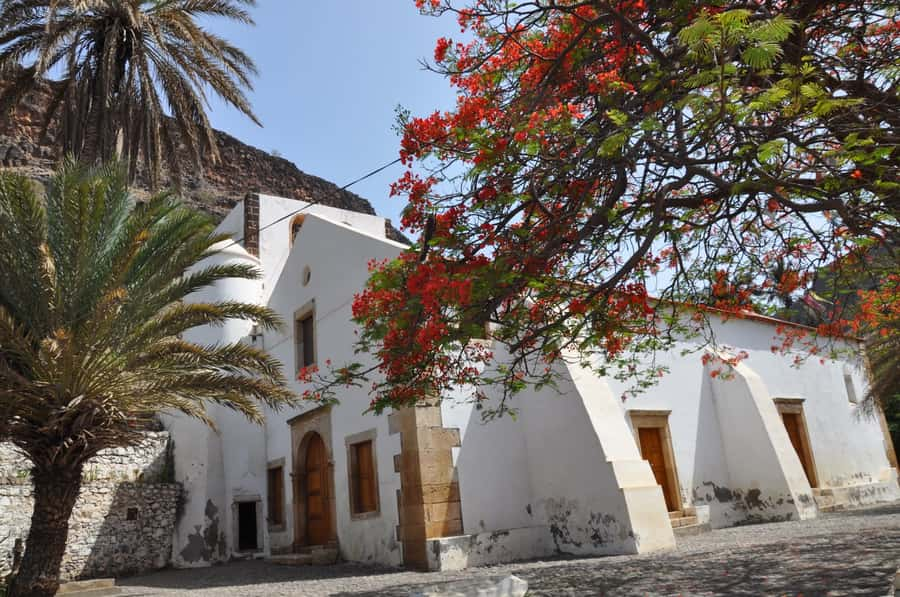
This tour is all about origins, not souvenirs. You start with a big idea: the Cape Verdean nation formed through a mix of people brought by colonial power, and African communities helped create the society, culture, and language that came after. The tour frames this in an Afrocentist way, so you spend your time connecting names of African peoples to what shows up in everyday Cape Verdean life, from skin colors and dance to speech.
I like that it does not treat culture as a vague vibe. It ties culture to real human movements, then shows how those movements helped shape a new society. That makes the whole experience feel less like a museum lecture and more like a guided explanation of why things in Cape Verde look and sound the way they do today.
One more practical note: it is short at 2 hours, so it works best if you want a focused orientation. You leave with a clearer sense of the bigger story, then you can explore on your own afterward with better context.
Hotel Pickup, Then Straight to Cidade Velha

Your day starts with hotel pickup and drop-off, which is a big deal on Santiago. You do not have to figure out transport or timing. After pickup, you ride about 20 minutes by car to the old city founded by Africans and Europeans, now recognized as a world heritage site for its role in the slave trade.
When you arrive, you are stepping into the kind of place where you can feel history in the layout, even when you are just standing still. The tour is designed to make that setting make sense, not just look old. The guide walks you through what remains of the ancient city and explains how it connects to the forced migrations that helped create Cape Verdean society.
A nice detail from the experience you can expect is that it is not only buildings and facts. One review points out that the visit also gives you beautiful views of the area, which helps the whole thing feel real rather than purely academic.
The drawback here is simple: in a 2-hour format, you cannot linger for long at each corner. If you tend to slow down and go deep on details, you may want to pair this with additional time in the area after the tour ends.
Still weighing it up? These are the Cape Verde trips we keep sending people on.
- Santiago: Landscapes, Street Art, and Markets Day Trip★ 4.8 · 316 reviews
- From Port of Praia: Island Tour for Cruise Ship passengers★ 4.5 · 190 reviews
- Praia & Cidade Velha: Guided City Tour★ 4.8 · 80 reviews
- Serra Malagueta: Principal Valley Hike & Lunch with Locals★ 4.7 · 64 reviews
- Praia: Baobab Mysterious Tree, Green Valley & Old City Hike★ 4.8 · 53 reviews
The African Peoples on Santiago, and Why That Matters
The tour’s core focus is the origins of the Cape Verdean people. You learn about the main African peoples connected to the island of Santiago, tied to forced migration from places such as Senegal, Guinea-Bissau, and Gambia. The guide connects these origins to the Cape Verdean nation that emerged afterward, often described as Krioulo.
What I find valuable is the way the tour links human history to cultural outcomes. Instead of treating culture as something that just happened, it frames Cape Verdean identity as something people built while living through enormous disruption. That helps you understand why Cape Verdean culture carries distinct African traits, even while it also developed a local Cape Verdean character.
You will likely hear about traits that show up in daily life: dance styles, cultural practices, and the way people speak, including the Krioulo dialect. The tour is also explicit about how these cultural elements trace back to the African communities that populated the island.
If you are the type who likes context before you walk into a place, this fits you well. You get the storyline first, then you see the old-city setting with a sharper understanding.
Culture, Dance, and the Krioulo Dialect You Hear in Everyday Life
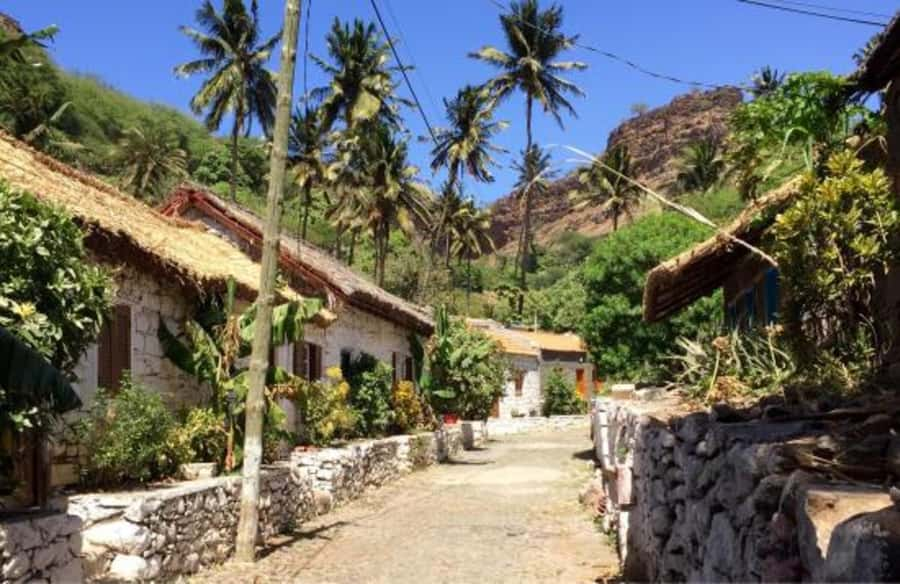
Here is where the tour becomes more than history. The guide connects the dots from African origins to what visitors hear and see across Cape Verde today. The tour highlights how the nation that formed shaped skin colors, dance, and the Krioulo dialect spoken today.
Even if you do not speak Krioulo yourself, this kind of explanation helps you notice patterns. You start listening for how language and identity travel through generations. You also begin to recognize that dance and music are not random entertainment, they are memory and community, carried forward after huge upheaval.
One reviewer noted that the guide explained the history of the Cape Verdean people very clearly in French, which suggests the tour stays organized even when the topic is heavy. Another review emphasized that the guide had a lot of knowledge about Cape Verde and its history, which matters because origins stories can get messy fast if the guide is not careful.
Also, the small group format helps you catch what you might miss in a larger crowd. With up to 7 participants, you can ask follow-up questions and get explanations that match your curiosity level.
What to Watch For in the Old City Monuments

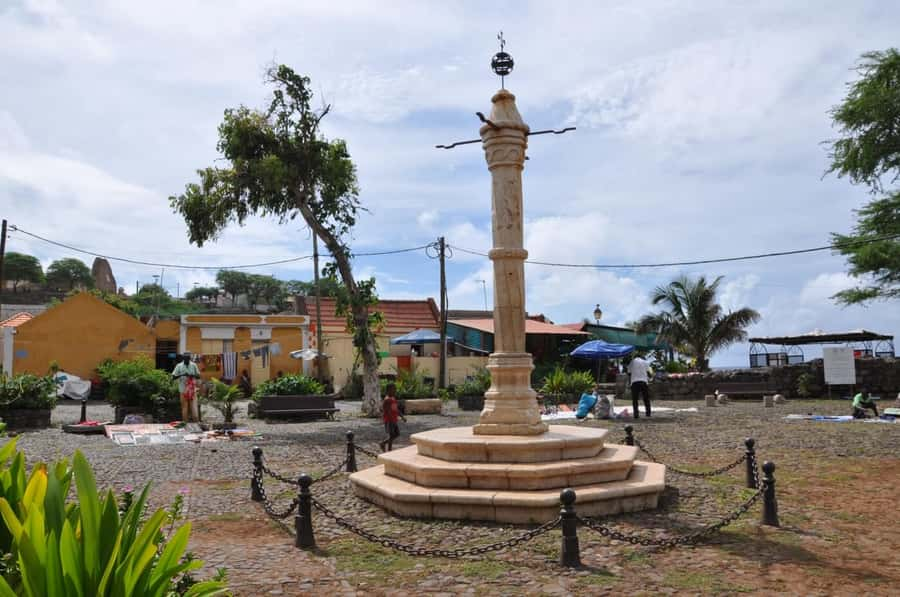
You will spend time visiting the main historical monuments that remain in the old city. The tour does not just name places; it uses them as evidence of African contributions to the founding of Cape Verdean society. You also get the larger context of why this particular old city became so central to the slave trade, and how that trade helped fuel the discovery of the New World.
A helpful mindset: think of monuments as pointers, not just photo stops. Each surviving structure is a clue to who was there, what systems existed, and how the colony operated. The guide’s Afrocentrist framing matters here, because it keeps the story from becoming one-sided.
One possible challenge is emotional weight. The slave trade is part of the core story linked to the site, and even when the tour is well paced, you may find some parts sobering. If that subject makes you uncomfortable, you might want to take a break afterward and pair this with something lighter later in the day.
But if you can handle serious history, you will likely appreciate the structure. The tour is designed so you are not left wandering, trying to connect dots yourself.
Price and Value for a 2-Hour Guided Heritage Visit
At $64 per person for 2 hours, this is positioned as a focused, guided orientation. The price includes hotel pickup and drop-off, transportation, and a tour guide, which is often where short tours add up quickly. In other words, you are paying for convenience and interpretation, not just for someone to show up.
The value gets better because the group is limited to 7 participants. That small size can be the difference between getting a generic script and getting real explanations that fit your questions. Reviews also point to strong language skills, including French. One review specifically thanks Antonio and notes his excellent French, so you can expect the guide to communicate clearly in the language you choose.
This tour is also a good “first Cape Verde” stop. If you have only limited time on Santiago, it gives you a narrative backbone for later exploration. You will understand why Cidade Velha matters, and you will be able to connect what you see back to the origins story.
Who should book?
- People who want history with a clear cultural lens
- First-time visitors on Santiago who want context fast
- Anyone curious about how Krioulo culture connects to African roots
- Travelers who prefer small groups and live guiding



Should You Book the Origen of Capeverdean People Tour?
I recommend booking this if you want your time on Santiago to mean something. It is short, structured, and anchored in Cidade Velha, with a guide who helps you understand origins, not just locations. The Afrocentrist perspective is the selling point, and the small group size is what keeps it from feeling rushed.
I would skip it or adjust expectations if you want mostly leisure or pure scenery. You are here for the story of forced migration, cultural formation, and contributions tied to African peoples. It is worthwhile, but it is not a light outing.
If you are already planning to see Cidade Velha anyway, this tour can turn a standard visit into a guided explanation you will carry with you. And if you care about language, dance, and identity, the Krioulo connections are exactly the kind of detail that can make the rest of your trip click.
FAQ
How long is the tour?
The tour lasts 2 hours.
How much does it cost?
The price is $64 per person.
Where does the tour take place?
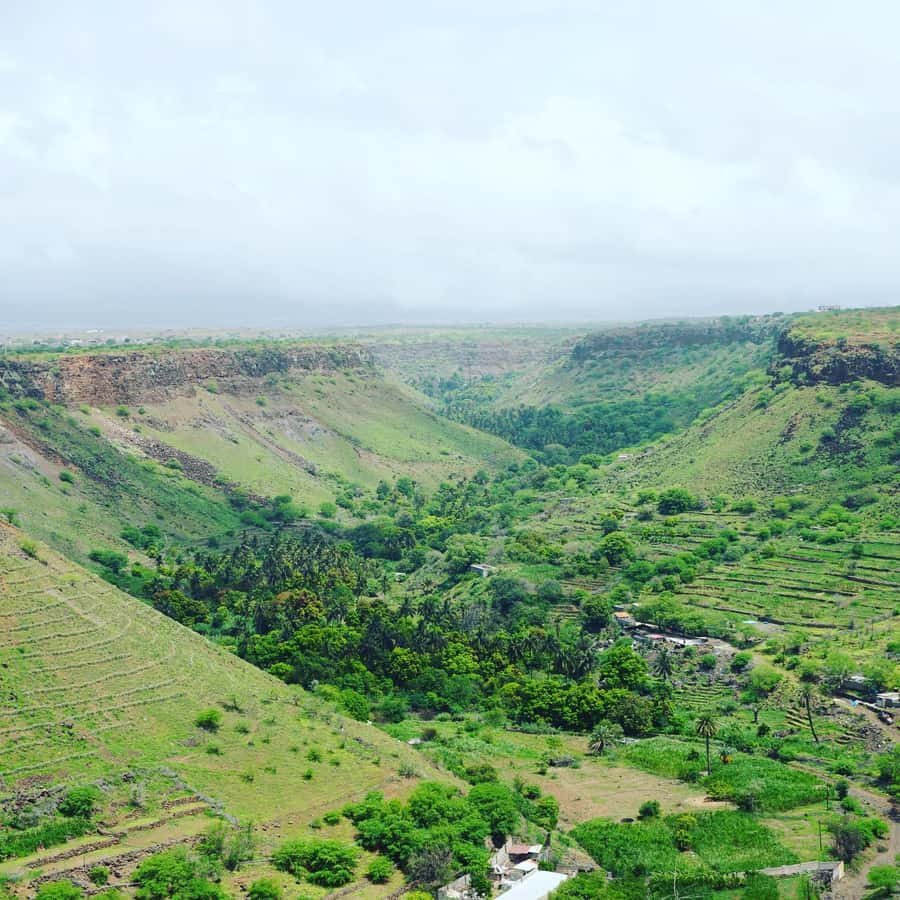
It is on Santiago Island, Cape Verde, with the main visit to the old city area that is tied to the slave trade.
Is pickup and drop-off included?
Yes. Hotel pickup and drop-off are included.
What is included in the tour price?
Included are hotel pickup and drop-off, transportation, and a tour guide.
How big is the group?
It is a small group, limited to 7 participants.
What languages is the guide available in?
The live guide is available in Portuguese, English, and French.
What will I see during the tour?
You visit the old city and main historical monuments that remain, with an explanation of the origins of Cape Verdean people and African contributions.
Is there free cancellation?
Yes, you can cancel up to 24 hours in advance for a full refund.
Can I book without paying everything now?
Yes. The option Reserve now & pay later is offered so you can keep plans flexible.
All Our Cape Verde Reviews




More Cape Verde tours from the same review pile
- Hiking Águas Belas Cave
★ 4.5 · 3 reviews - Santiago Island: Private Airport Transfer to Praia or Vice Versa
★ 5.0 · 3 reviews - Best of Santiago Island: Cidade Velha, Workshop & Tarrafal Beach Tour
★ 4.5 · 3 reviews - Cape Verde: Best Hikking Trails of Santiago Island – 6 Days
★ 5.0 · 3 reviews - Praia: Plateau and Cidade Velha Guided Tour
★ 5.0 · 3 reviews - Praia City Tours
★ 3.4 · 3 reviews