
REVIEW · TOURS
Whale watching tour SEASONAL
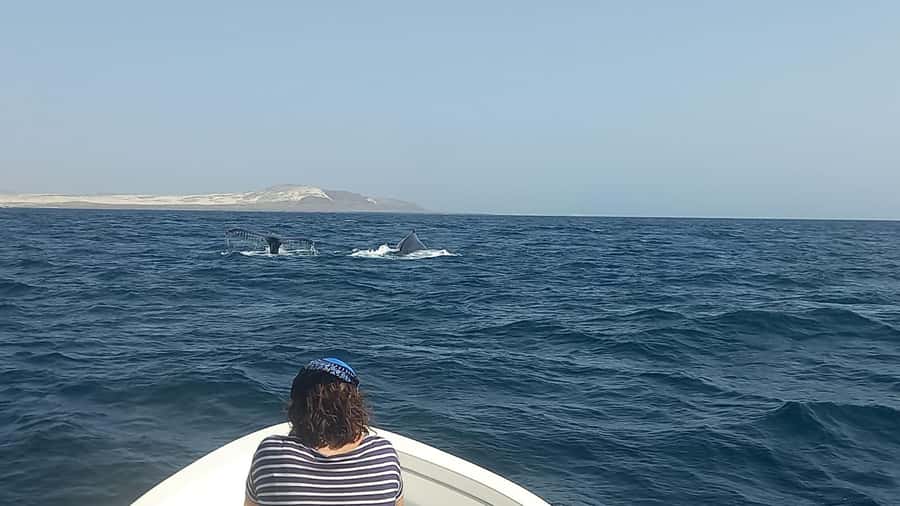
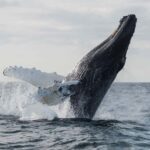
Humpbacks show up in Cape Verde for a reason. During mid-February to late May, Boa Vista becomes a prime stage for humpback whale breeding, and the tour focuses on eco-friendly whale watching with rules designed to keep the animals comfortable.
I especially like that there’s a marine biologist on board, plus a live English guide who helps you understand what you’re seeing and why the boat behavior matters. And you’re not crammed onto a big vessel, with small groups limited to 6, so the whole experience feels more human and less hectic.
One thing to keep your expectations honest: whale sightings are never guaranteed. Some departures can be more dramatic than others, including days where you might only spot a single whale.
In This Review
- Key Highlights You Should Know Before You Go
- Boa Vista Whale Watching in Peak Breeding Weeks
- Your Crew, Your Marine Biologist, and a Live English Guide
- The On-Water Etiquette: How the Tour Protects the Whales
- What You Can Actually Spot Off Boa Vista
- How the Trip Plays Out From Pickup to Return
- Pickup and transport costs, by where you stay
- Price and Value: What 65€ or $76 Gets You
- What to Bring: Your Simple Sea-Day Checklist
- What’s Not Allowed, and Why That’s Good for Everyone
- Who This Tour Fits Best (And Who Should Skip It)
- Tips That Improve Your Chances Without Busting the Rules
- Should You Book This Boa Vista Whale Watching Tour?
- FAQ
- When is the humpback whale season for this tour?
- How big is the group?
- Is there a marine biologist on board?
- What language is the tour guide?
- Are drinks included?
- Is pickup included, and how much does it cost?
- What should I bring?
- What is not allowed on the tour?
- Is the tour suitable for children?
Key Highlights You Should Know Before You Go
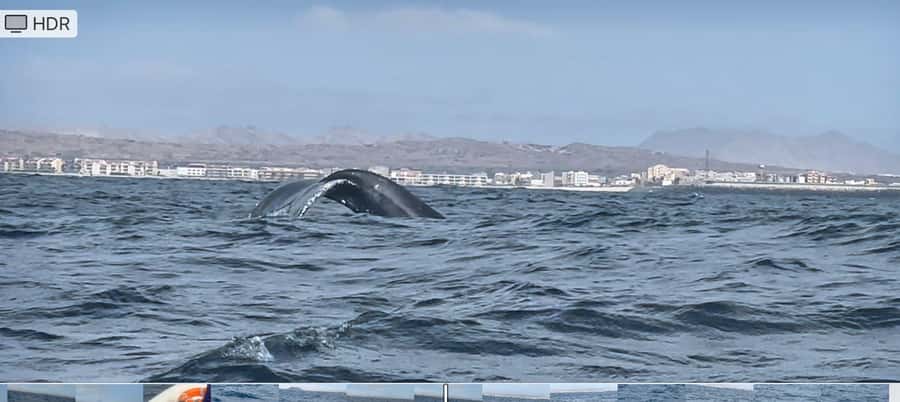
- Breeding season timing (mid-Feb to late May) for your best odds at humpbacks
- Marine biologist on board focused on safety for both you and the whales
- Small group size (max 6), which makes viewing feel closer and calmer
- Eco-friendly approach using European whale laws to limit disturbance
- Boat trips out of Boa Vista where humpbacks are the main event, but not the only marine life
Boa Vista Whale Watching in Peak Breeding Weeks
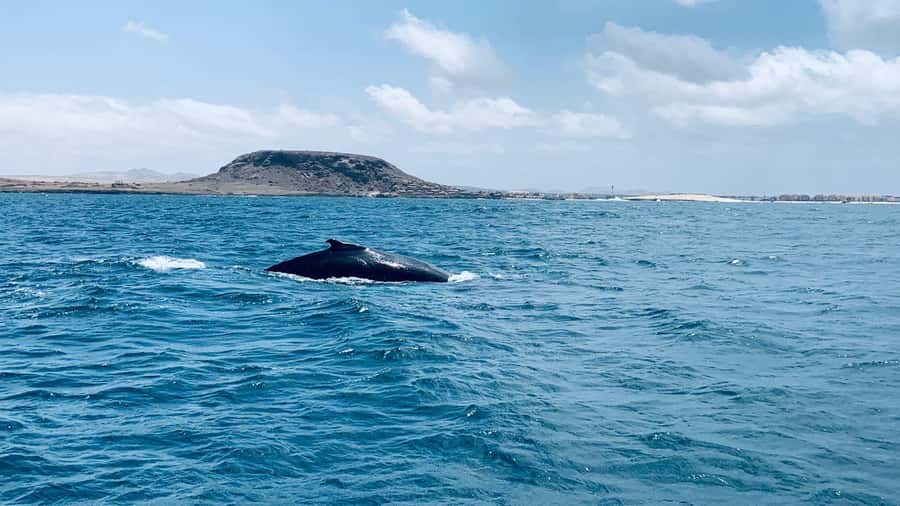
If your goal is humpback whales, Boa Vista is the place to target in Cape Verde, and the calendar really matters. This tour runs during the season when humpbacks come to breed, from mid-February to late May. That means you’re not just chasing random sightings. You’re watching behavior that whale researchers care about, and that you can understand better when there’s a marine biologist explaining the scene.
The best part of going in this window is that the whales are actively using the area, so the tour operators can spend time searching with purpose, instead of hoping for a rare pass-by. You’ll still be at the mercy of the sea, but the timing is doing a lot of the work for you.
Just as important, this is framed as an eco-friendly experience. The tour follows European whale and dolphin-watching laws, so the goal is to disturb the animals as little as possible while still giving you an enjoyable, close-up wildlife experience.
Your Crew, Your Marine Biologist, and a Live English Guide
A big reason whale watching can go either way is who’s steering the boat and making decisions on the water. Here, the team uses a marine biologist on board to prioritize safety and animal welfare. That matters because a whale encounter is not just sightseeing. It’s a moving, breathing wildlife event, and the boat’s speed, positioning, and time on station can affect how the animals behave.
You also get a live tour guide in English. That’s a practical detail you’ll feel immediately. When the guide can explain what you’re seeing, you can focus your camera and attention. Instead of staring at waves and guessing, you’ll have context while you’re out there.
The tour is run by the Riamar team, and the operator’s approach shows up in the way people describe the experience as well organized and focused. For you, that translates into fewer awkward moments, clearer instructions, and a better chance that the day stays respectful and enjoyable.
Other humpback season boats
- Boa Vista: Whale Watching Trip with Motoryacht★ 4.3 · 115 reviews
The On-Water Etiquette: How the Tour Protects the Whales
This is not a ride where you can expect constant speeding and chasing. The tour is designed around the idea that you’re the guest in the sea, and you should act like one.
The key principle is that they follow European whale and dolphin-watching laws to reduce disturbance. You can expect the crew to use careful positioning and restraint, especially around breathing, resting, and social behavior. When the rules are taken seriously, it usually means:
- You spend time observing rather than constantly moving.
- You get calmer, more natural viewing.
- The animals are less likely to change behavior because of the boat.
That approach is also good for you. Whale watching is more rewarding when you’re watching patterns instead of just flashes. A thoughtful boat strategy often leads to better views and better photos, even if the day has fewer “big thrills.”
What You Can Actually Spot Off Boa Vista
Humpback whales are the headline here, especially in the breeding season. But Cape Verde is also described as a feeding and breeding ground, plus a migratory route for 24 species of whales and dolphins.
So while you should plan around humpbacks, you’re not limited to them. A day at sea here can also include other marine life, depending on what’s passing through and where the whales are active.
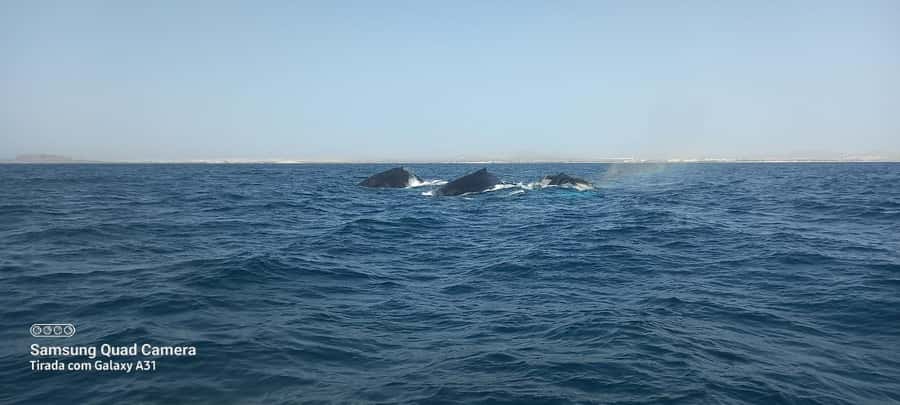
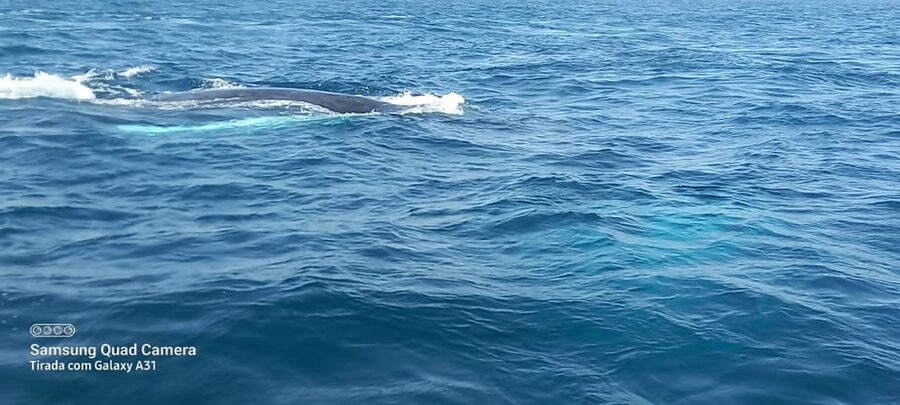
You can also take comfort in what people report from past departures: some trips include multiple whale sightings, and the overall feeling is that you’re seeing real animals up close, not just distant silhouettes. One recent group experience included sightings of at least four whales, and another described spotting whales multiple times during the outing.
Real talk: you cannot guarantee a headliner spectacle every hour. But the combination of seasonal timing plus a crew that follows wildlife rules gives you stronger odds of a memorable day.
How the Trip Plays Out From Pickup to Return
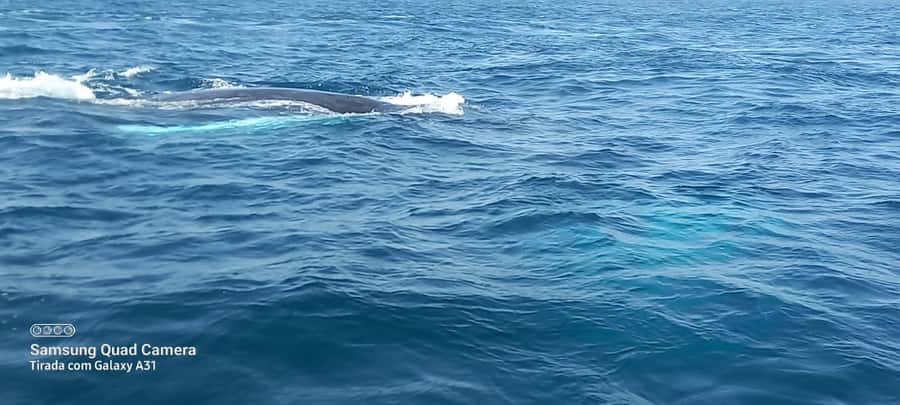
This tour is built around logistics that matter once you’re on the island. Transport is part of the plan, with set pickup options depending on where you’re staying.
Here’s the flow you can expect in practical terms:
- You get picked up from your accommodation zone, then head toward the meeting area.
- You check in with the guide before heading to the water.
- Out on the boat, the marine biologist and guide help you track whales and interpret what you’re seeing.
- You return to land after the viewing window, with non-alcoholic drinks available on board.
The main “destination” during the tour is the ocean time itself, because the point is searching for humpbacks and settling into viewing when the whales are near. There aren’t land stops built into the experience, so you’ll want to treat the boat portion as the heart of the trip.
Pickup and transport costs, by where you stay
Transport is listed with specific pricing, so you should plan it into your budget:
- Center Sal Rei: 4€ one way
- Riu Karamboa, Riu Palace, Decameron, Bravo: 10€ one way
- Riu Touareg guests: 50€ for both ways
This is worth thinking about because the activity price is one thing, but your real out-of-pocket cost depends on the pickup you need. If you’re staying closer to Center Sal Rei, your day may be cheaper overall than if you’re farther out at a larger resort area.
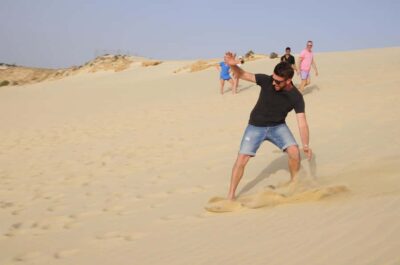
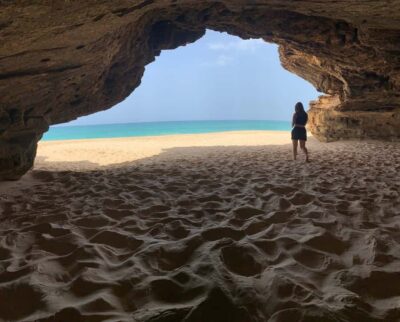

Price and Value: What 65€ or $76 Gets You
The tour pricing is presented as 65 euros per person (listed as $76 in the overview). Either way, the value question is not just the number. It’s what comes with the price.
Included:
- Whale watching tour for 65€
- Non-alcoholic drinks on board and fresh water
That’s a real comfort upgrade. On the water, you want hydration without scrambling for purchases. Fresh water and non-alcoholic drinks also keep you focused on the main event, and it fits the tour’s animal-respect approach.
What’s not included is transport to the pickup zones, with the set fees listed above. So the smartest way to judge value is to add the transport fee that applies to your hotel. After that, you’re paying for:
- Seasonal timing in the humpback window
- A marine biologist on board
- Small-group access limited to 6 people
- A guide in English
- A regulated, eco-friendly approach
If you compare whale watching tours, the biggest differentiator here is the marine biologist element combined with small group size and a wildlife-law framework. That mix tends to create a more meaningful, less chaotic experience.
What to Bring: Your Simple Sea-Day Checklist
You won’t need fancy gear, but you do need the basics for a boat outing in Cape Verde.
Bring:
- Head covering or kippah
- Towel
- Camera
- Beachwear
I’d treat the head covering as non-negotiable. Even when the sea is calm, sun exposure can sneak up on you, and you’ll be outside for whale searching time.
A towel matters because you may end up wet from sea spray or splashes, and it’s nice to dry off when you get back. Beachwear is straightforward, and the camera is there because even on days with fewer sightings, humpbacks are worth capturing when they surface.
What’s Not Allowed, and Why That’s Good for Everyone
This tour has clear limits:
- No alcohol and drugs
- No explosive substances
From a whale-watching standpoint, that’s exactly what you want. Keeping the group sober and controlled helps the crew manage viewing behavior and follow wildlife rules calmly. It also keeps the ocean setting safer for the marine life and for you.
Who This Tour Fits Best (And Who Should Skip It)
This is best for adults and older kids who can handle being on the water and following crew instructions. The tour is not suitable for children under 10.
If you’re a family traveling with school-age kids, this may still work depending on temperament and comfort level. If you’re traveling with very young children, you’ll have to look for a different style of activity.
This is also a solid fit if you care about responsible wildlife encounters. If you’d rather see whales through a “watch and respect” lens than through a chaotic chase style, you’ll probably appreciate the structure.
Tips That Improve Your Chances Without Busting the Rules
You can’t force whales to surface, but you can set yourself up for success.
- Dress for sun and sea spray: beachwear plus a head covering helps you stay comfortable.
- Bring a towel: comfort affects patience, and patience affects how much you notice.
- Keep your expectations realistic: some outings are quieter, and that’s normal.
- Follow the crew’s guidance quickly: if they change position or direction, it’s usually because the whales are behaving a certain way.
Also, small-group tours make instruction easier. With only up to 6 participants, you’re more likely to get clear, timely guidance, which helps you avoid the classic mistake of missing the moment because you were adjusting something or asking questions late.
Should You Book This Boa Vista Whale Watching Tour?
If you’re visiting Boa Vista during mid-February to late May and you want humpback whales with a regulated, eco-friendly approach, I think this is a smart booking. The value is strong because you get a marine biologist on board, small-group access, and non-alcoholic drinks plus fresh water, all within a framework that follows European whale and dolphin-watching laws.
Book with one key mindset: whale sightings depend on the day. You may get multiple sightings, and you might also have a quieter encounter. If you can enjoy the experience of searching, observing, and learning even when it’s not constant action, you’ll likely come away happy.
FAQ
When is the humpback whale season for this tour?
The humpback whales arrive for seasonal breeding visits from mid-February to late May.
How big is the group?
The tour is limited to a small group of 6 participants.
Is there a marine biologist on board?
Yes, a marine biologist is always on board.
What language is the tour guide?
The live tour guide speaks English.
Are drinks included?
Yes. Non-alcoholic drinks on board and fresh water are included.
Is pickup included, and how much does it cost?
Transport service costs depend on where you are picked up:
Center Sal Rei is 4€ one way, and Riu Karamboa, Riu Palace, Decameron, and Bravo are 10€ one way. For Riu Touareg guests, it is 50€ for both ways.
What should I bring?
Bring a head covering or kippah, a towel, a camera, and beachwear.
What is not allowed on the tour?
Alcohol and drugs are not allowed, and explosive substances are also not allowed.
Is the tour suitable for children?
No. It is not suitable for children under 10 years old.
Whale Watching Boats
More Cape Verde Tours

All Our Cape Verde Reviews


More Cape Verde tours from the same review pile
- Boa Vista: Shipwreck, 4×4 Ride & Caves Day Tour with Lunch
★ 5.0 · 3 reviews - Discover Scuba Diving Program for Beginners
★ 4.2 · 4 reviews - Boa Vista: Guided Turtle Experience with a Certified Guide
★ 4.0 · 4 reviews - Turtle watching in Boa Vista Island
★ 4.8 · 5 reviews - From Boa Vista: Sandboarding Adrenaline down the big Dunes
★ 4.8 · 8 reviews - Boavista: Private Birdwatching Expedition in natural Habitat
★ 4.3 · 10 reviews
Tours, compared.
 ★ 4.8Sal: Island Experience Tour with a Certified Local GuideFrom $413,249 reviews
 ★ 4.7Sal: All-Inclusive Salt Lake, Blue Eye and Shark Bay TourFrom $532,033 reviews
 ★ 5.0Complete Excursion and Flight on the Zipline Cabo VerdeFrom $56591 reviews
 ★ 4.8Praia: Santiago Island Tour with Tastings and Tarrafal BeachFrom $76416 reviews
 ★ 4.7Sal Island: Guided Full-Day Highlights Tour with LunchFrom $69414 reviews
 ★ 5.0Electric Beach Bike – Guided Tour in Sal IslandFrom $34349 reviews
 ★ 4.8Boa Vista: Shark, Turtles, Cave, Sandboarding & Tasting TourFrom $70328 reviews
 ★ 4.6Sal: Salt Lake Tour, Shark Bay and Pedra de Lume VillageFrom $36274 reviews