
REVIEW · BOA VISTA ISLAND TOURS
From Boa Vista: Turtle Watching and Nesting Evening Tour
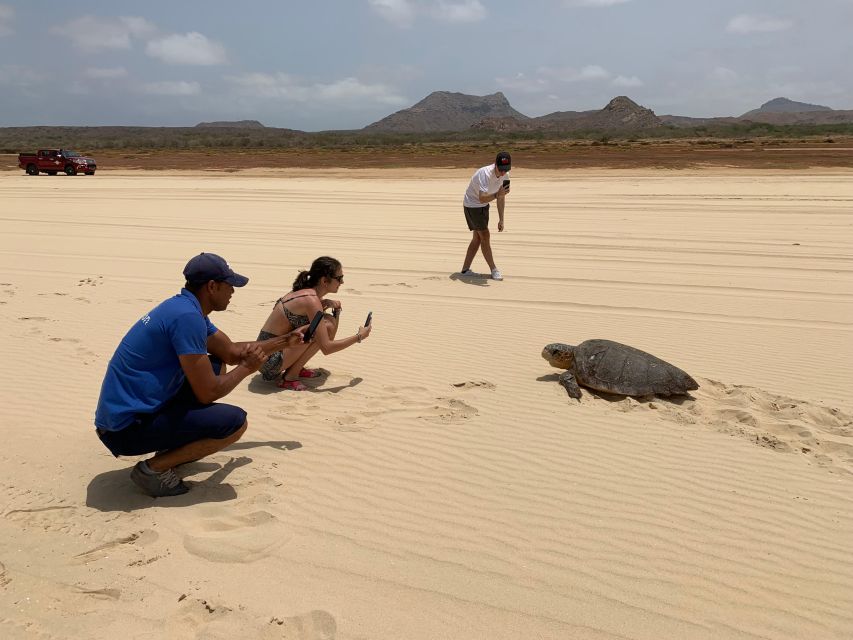
Watching turtles lay eggs feels unreal. This evening tour on Boavista Island lets you witness loggerhead sea turtles during nesting season, from careful nest-building to eggs covered in sand, while the guides keep the whole process as calm as possible. It is one of those rare nature experiences where you are not a spectator so much as a respectful observer.
I especially love the closeness, you can be just a few centimeters from a nesting female when conditions and timing allow, without turning it into a spectacle. And I love that the experience is tied to action on the ground, since 3€ from each booking supports a Protected Areas Conservancy Program.
One thing to think about first, the logistics are not comfy-car simple. You should be ready for a long, dark, bumpy ride to reach the beach at the right time.
In This Review
- Key Things I’d Plan for on This Turtle Nesting Tour
- Loggerhead Nesting on Boavista, Why This Evening Matters
- Getting to the Beach: Hotel Pickup and the Bumpy Offroad Reality
- What You Actually See: Nest Building, Egg Laying, Sand Cover, Quiet Return
- Respecting Turtle Rules: No Flash, No Flashlight, and Limited Beach Time
- The Guide Factor: Trained Staff and the Evandro Style
- Comfort Checklist: What to Bring for a Turtle Night on Boavista
- Price and Value at $94, Plus the 3€ Conservation Contribution
- Who This Tour Suits Best (and Who Should Skip It)
- FAQ
- FAQ
- What season are loggerhead turtles nesting on Boavista?
- What time of day does the tour happen?
- How do I get to the beach?
- What is the drive like?
- Is photography allowed?
- Are flashlights allowed on the beach?
- What should I bring?
- Which languages is the tour offered in?
- Does the tour support conservation?
- Should You Book This Turtle Nesting Evening Tour?
Key Things I’d Plan for on This Turtle Nesting Tour
- Loggerhead nesting season on Boavista (June to October), when big females come ashore to lay eggs
- Very strict beach etiquette, including no flash photography and no flashlights
- Controlled visitor limits per night, designed to avoid disturbing turtle behavior
- Trained guides and patient pacing, so you see the full sequence, not just a quick glimpse
- Stargazing side effect, because the beach dark is real and the sky can be stunning
- Conservation funding built in, with a contribution from each booking to protected areas
Loggerhead Nesting on Boavista, Why This Evening Matters
Boavista is a special place for loggerhead sea turtles. Cape Verde hosts the third largest community of loggerheads in the world, and Boavista receives more than 90% of them along its roughly 55 kilometers of white sandy beach.
From June until October, the nesting spectacle happens in the early evening when turtles come ashore. The tour timing matters because turtle behavior follows a rhythm, and your goal is to witness that rhythm without pushing it. You are not chasing a “photo moment,” you are watching an animal do its job.
This is also a conservation success story you can see with your own eyes. The government protects nesting areas, local people support the effort through conservancy work each year, and international NGOs help strengthen the protection program. The result is a beach experience that feels intimate but rules-based.
Getting to the Beach: Hotel Pickup and the Bumpy Offroad Reality
Your evening starts with hotel pick-up and drop-off, which is the easy part. The harder part is the ride. Depending on where you stay, plan for about 90 minutes of driving, and it can be on long stretches of bumpy offroad.
If you are picturing smooth roads and a quick transfer, adjust your expectations. One helpful tip from the experience itself is that you can ride in the back of the vehicle, and the darkness can make the landscape feel almost empty on the way there. That is normal. Just settle in, hold on, and treat it like part of the night-adventure vibe.
The upside of the long ride is that it sets you up for the main event at the right time, when the turtle activity is happening along the beach. Also, if you are paying attention, the night sky often becomes part of the show once you reach the sand.
Boa Vista days out we have also been on
- Boavista: Turtle, Shark, Santa Monica, Sandboard & Tasting★ 4.7 · 228 reviews
- Boa Vista: Santa Monica, Dunes, Caves and Village 4×4 Tour★ 4.8 · 137 reviews
- Boa Vista: 2-Hour Buggy 1000cc North Island Adventure★ 4.9 · 113 reviews
- From Boa Vista: Turtle Watching and Nesting Evening Tour★ 4.8 · 49 reviews
- Boa Vista: 3h Turtle Watching Expedition★ 4.7 · 39 reviews
What You Actually See: Nest Building, Egg Laying, Sand Cover, Quiet Return
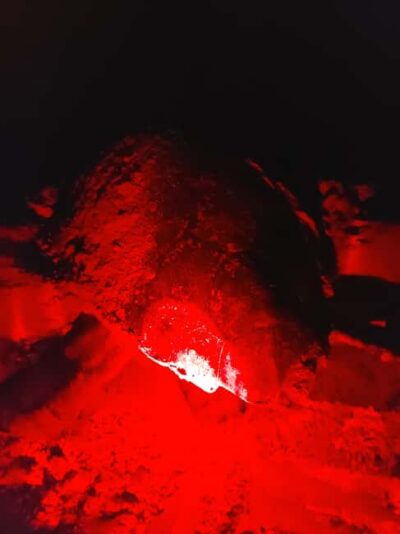
This tour is built around the full nesting sequence. When you reach the beach area, you are there for a loggerhead female’s carefully timed routine.
Here is what you should expect to observe, in plain terms:
- Preparing the nest with a lot of accurate movement
- Laying the eggs carefully
- Covering the eggs thoroughly with sand, like the turtle is restoring the beach surface to normal
- Returning to the sea quietly, without thrashing or trying to draw attention
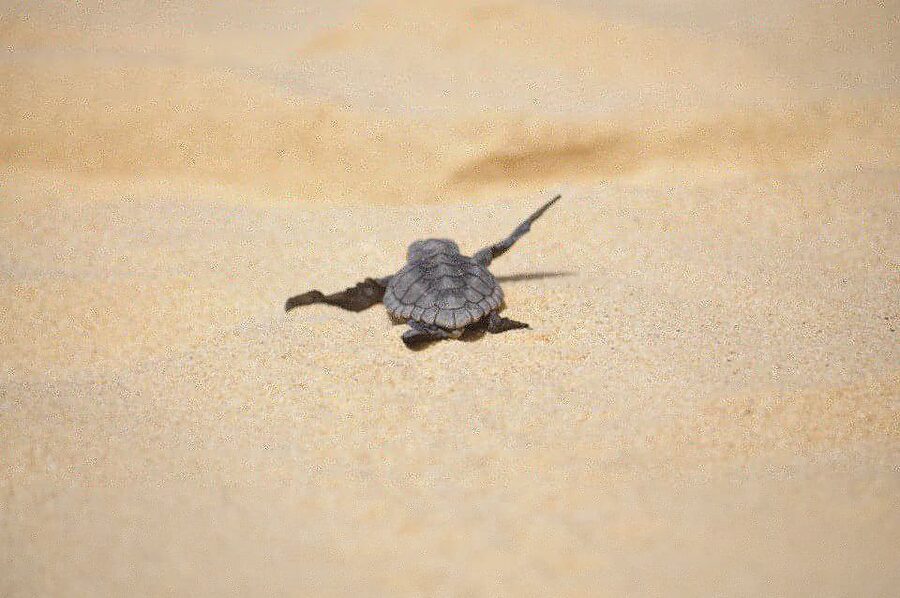
The most memorable part is that you get to witness the work up close. In nesting season, you may see a female doing the process step-by-step. And sometimes you can spot smaller turtles as well, depending on timing and conditions.
Also, the turtle behavior is not instant. If your expectations are for a quick stop, you might be surprised by how long the process takes and how carefully the guides manage the pace. That patience is the point. The best experiences are the ones where you wait a little, then see something complete.
Respecting Turtle Rules: No Flash, No Flashlight, and Limited Beach Time
This is not a casual night walk where you can light up everything like you are on a sightseeing safari. The tour has clear rules to protect turtles and keep them calm.
Two rules that matter a lot:
- No flash photography
- No flashlight
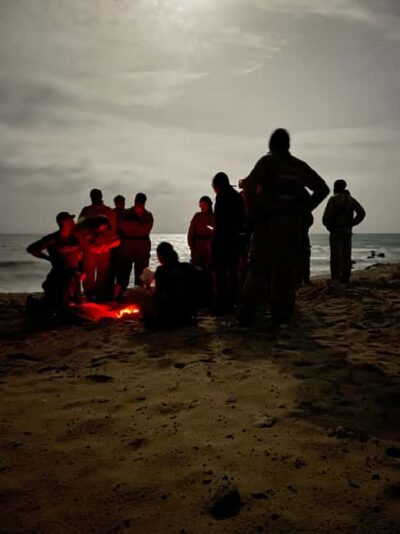
This helps in two ways. First, it reduces disturbance during a sensitive moment. Second, it keeps the night conditions stable, so your eyes adapt naturally instead of blasting the beach with bright light.
You also benefit from the fact that nesting areas have limits on tours and the number of people per night per beach. The goal is simple: do not interfere with the turtles’ process. Each operator needs to communicate guest numbers, which is a quiet way of saying, the system is designed to manage pressure.
One more real-world sign this is taken seriously: the turtle’s actions matter more than your viewing angle. If you want the most responsible experience, the guide will often position you so the turtle stays focused. That means sometimes you move a bit, sometimes you wait, and sometimes you watch from the best spot rather than the closest spot.
The Guide Factor: Trained Staff and the Evandro Style
Your guides are the bridge between you and the turtle behavior. The tour is led by trained staff who genuinely care about the endangered creatures and know how to keep things respectful.
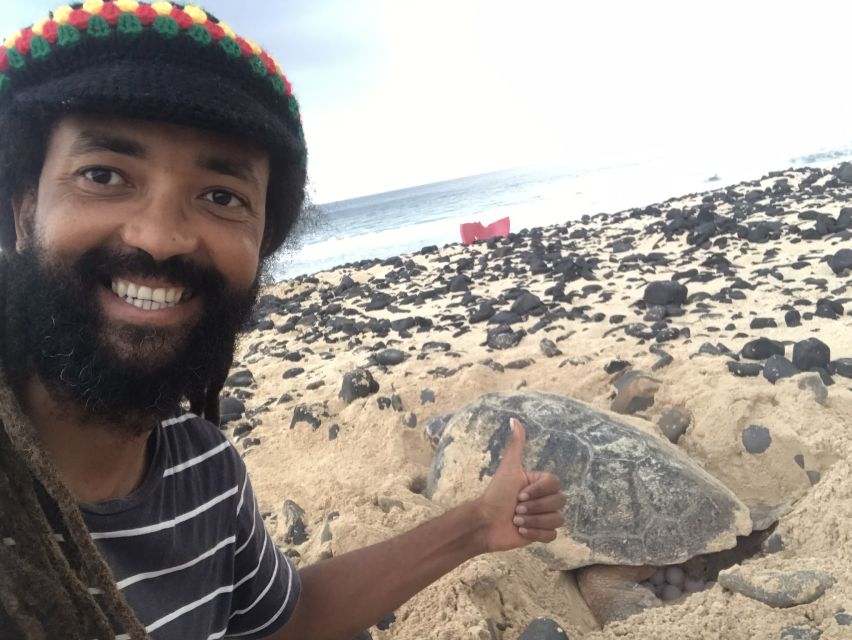
One guide name that shows up in the experience is Evandro, described as an amiable, relaxed presence. What that really translates to on the beach is pacing. You are not rushed. If a turtle is laying or covering the nest, the guide holds the line and waits for you to see what’s happening.
Guides also add context that makes the whole evening click. You learn what the nesting process looks like and why the rules exist. You also get practical interpretation for what you are seeing on sand at night, which helps you understand the difference between random beach movement and the real nesting cycle.
And then there is the human side. After the dark travel and sand walk, the sky can be full of stars. It is a simple bonus, but it makes the evening feel special in a way that has nothing to do with cameras.
Comfort Checklist: What to Bring for a Turtle Night on Boavista
This is a beach evening, so pack for night air, sand, and bugs. The essentials are:
- Water
- Jacket
- Long pants
- Closed-toe shoes
- Insect repellent
A jacket matters because the early evening near the ocean can feel cooler than you expect, and you will likely stand or move slowly at the beach. Long pants and closed-toe shoes protect you from sand and whatever the beach sends your way. Insect repellent is not optional if you are prone to bites.
On top of clothing, remember what is not allowed. Flash photography and flashlights are out, so you should plan to see with low light and trust the guide to help you locate what matters.
One extra planning note: the tour is mostly in the early evening, but timing can shift a bit depending on sea level. If your evening plans are tight, give yourself breathing room.
Other turtle nights we have sat out on
Price and Value at $94, Plus the 3€ Conservation Contribution
At $94 per person, this tour is not cheap, but it also is not overpriced for what you are getting. You receive hotel pick-up and drop-off plus an entry ticket to protected areas, which already covers real on-the-ground costs tied to the conservation zone.
What makes the price feel more meaningful is the direct conservation component: 3€ from each booking goes to a Protected Areas Conservancy Program. That is a small line-item on paper, but it is exactly the kind of built-in contribution that helps keep protection efforts alive during the season when nesting activity brings the most attention.
You should also consider the value of the process you get. This is not a “pass by and wave” encounter. You are designed to see the sequence, including the nest prep and the covering of eggs, with strict visitor limits that aim to avoid disturbing turtles. The responsible approach is part of the product you are paying for.
If you are the type of traveler who likes to spend money on experiences that have a clear reason to exist, this fits that mindset well.
Who This Tour Suits Best (and Who Should Skip It)
This tour makes the most sense for you if:
- You love wildlife and want to watch behavior, not just scenery
- You are comfortable with dark beach conditions and staying patient during slower moments
- You can follow instructions like no flash, no flashlight, and quiet observation
It also fits well if you like a guided experience with real interpretation. The guide experience is part of the value, especially when you want to understand what the turtles are doing and why the rules matter.
However, this tour is not suitable for people with mobility impairments and it is not suitable for wheelchair users. If you or someone in your party needs accessibility accommodations, skip this one and look for alternatives on the island.
Also be honest about your tolerance for the ride. The drive can be long, dark, and bumpy offroad. If you get motion sick easily, consider how you will handle that.
FAQ
FAQ
What season are loggerhead turtles nesting on Boavista?
The nesting season described for this experience runs from June until October.
What time of day does the tour happen?
It takes place mostly in the early evening. The exact time can change a bit depending on sea level.
How do I get to the beach?
You get hotel pick-up and drop-off as part of the tour.
What is the drive like?
You can expect about 90 minutes of driving, and it may include bumpy offroad stretches, especially depending on where you are picked up.
Is photography allowed?
You can’t use flash photography. The tour is designed to avoid disturbing turtles and keep lighting low.
Are flashlights allowed on the beach?
No. Flashlights are not allowed during the tour.
What should I bring?
Bring water, a jacket, long pants, closed-toe shoes, and insect repellent.
Which languages is the tour offered in?
The tour languages listed are English, French, Italian, and Portuguese.
Does the tour support conservation?
Yes. 3€ from each booking goes to a Protected Areas Conservancy Program.
Should You Book This Turtle Nesting Evening Tour?
If your travel style is nature-first and you want a real conservation encounter, I think this is an easy yes. You get a guided look at a complete nesting sequence, you follow rules that protect the animals, and the evening has that extra reward of a dark sky full of stars.
Book it if you can handle the practical side. Expect a long, bumpy ride, bring the right clothes, and agree to low-light viewing with no flash. If you need mobility accommodations or you cannot handle uneven ground, choose a different option.
Overall, this is the kind of experience where the value is not the entertainment level. It is the chance to witness something rare, done responsibly, and supported by the people keeping it protected.
If you tell me where you are staying on Boavista (for pickup timing) and the month you plan to go, I can help you judge whether the evening conditions should suit you.
All Our Cape Verde Reviews


Turtle Watching, Other Nights

Boa Vista, More Island Days
More Cape Verde tours from the same review pile
- Boa Vista: Shipwreck, 4×4 Ride & Caves Day Tour with Lunch
★ 5.0 · 3 reviews - Discover Scuba Diving Program for Beginners
★ 4.2 · 4 reviews - Boa Vista: Guided Turtle Experience with a Certified Guide
★ 4.0 · 4 reviews - Turtle watching in Boa Vista Island
★ 4.8 · 5 reviews - From Boa Vista: Sandboarding Adrenaline down the big Dunes
★ 4.8 · 8 reviews - Boavista: Private Birdwatching Expedition in natural Habitat
★ 4.3 · 10 reviews
Boa Vista Island Tours, compared.
 ★ 4.8Boa Vista: Shark, Turtles, Cave, Sandboarding & Tasting TourFrom $70328 reviews
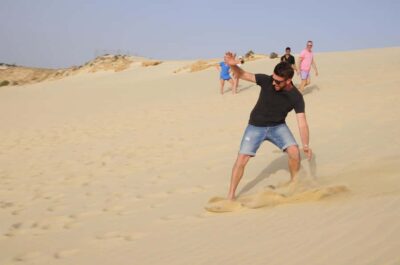 ★ 4.7Boavista: Turtle, Shark, Santa Monica, Sandboard & TastingFrom $76228 reviews
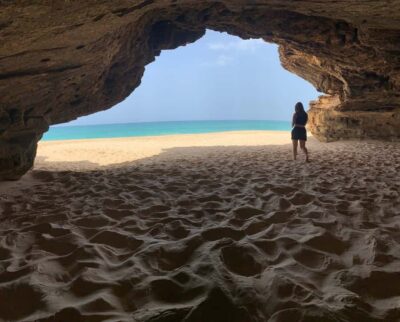 ★ 4.8Boa Vista: Santa Monica, Dunes, Caves and Village 4×4 TourFrom $76137 reviews
 ★ 4.9Boa Vista Jeep Expedition: Shipwreck & Viana Desert (4-Hour)From $64134 reviews
 ★ 4.9Boa Vista Quad Tour: Shipwreck & Viana Desert (2-Hour)From $106121 reviews
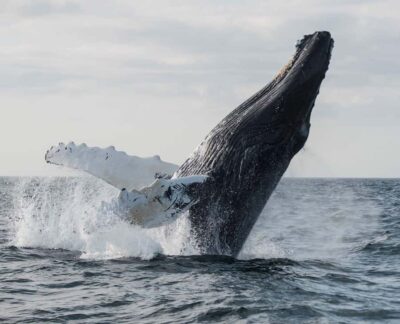 ★ 4.3Boa Vista: Whale Watching Trip with MotoryachtFrom $94115 reviews
 ★ 4.9Boa Vista: 2-Hour Buggy 1000cc North Island AdventureFrom $153113 reviews
 ★ 4.7Boa Vista Island: Northwest & Deserto de Viana 4×4 AdventureFrom $53113 reviews
Browse the lists this tour appears in