
REVIEW · SCUBA DIVING
Discover Scuba Diving Program for Beginners
Scuba starts with one calm breath. This beginner discover scuba program on Boa Vista is a practical way to learn the basics and see if you even like being underwater, without jumping straight into a full certification course. I like that it keeps things small-group friendly, limited to 8 participants, so your instructor can actually correct your breathing, posture, and hand signals.
The one thing to factor in is that hotel transfer is not included, and that can add cost depending on where you’re staying, plus it is not suitable for non-swimmers, pregnant women, or people with back problems.
In This Review
- Key takeaways before you go
- Boa Vista’s beginner scuba program, the real deal for first-timers
- What happens in the first part: gear basics, theory, and hand-signs
- Shallow-water practice: where confidence is actually built
- The open-water session with an instructor: what to expect
- Small group, multiple languages: why that matters in real life
- Gear included: the quiet money-saver
- Price and value: is $129 a good deal?
- Pickup and timing: how to plan your day
- What to bring so you feel comfortable fast
- Who this is best for, and who should skip it
- A few practical tips that will make your session smoother
- Frequently asked questions
- FAQ
- Do I need a scuba certification to join?
- What is included in the $129 price?
- Is the certification included?
- Are you picked up from my hotel?
- How big is the group?
- What languages are available for the instructor?
- What should I bring?
- Who is this not suitable for?
- Do I need to pay for hotel transfers?
- Should you book this beginner scuba program on Boa Vista?
Key takeaways before you go
- Instructor-led from gear to communication, with hand-sign practice from the start
- Shallow-water skills first, so open water feels like a step forward, not a leap
- All scuba gear included, which makes this easier than trying to plan rentals
- Multiple language options (English, Portuguese, Spanish, French) for a smoother experience
- Two days total, enough time for theory, practice, and an instructor-guided open-water session
- You get a reality check on whether you want to continue toward certification
Boa Vista’s beginner scuba program, the real deal for first-timers
If you’ve looked at scuba before but felt stuck at the paperwork stage, this program is built for you. It’s designed to take you from first-time equipment handling to breathing underwater basics, then into an instructor-guided open-water session. The whole point is simple: learn enough to decide if scuba fits your life, not just snap a souvenir photo.
On Boa Vista, you’re also dealing with a location that works well for starters. The program format matters as much as the destination. You start with brief theory, then move into controlled practice in shallow water. Only after you’ve done the fundamentals do you go into open water with your instructor staying right there.
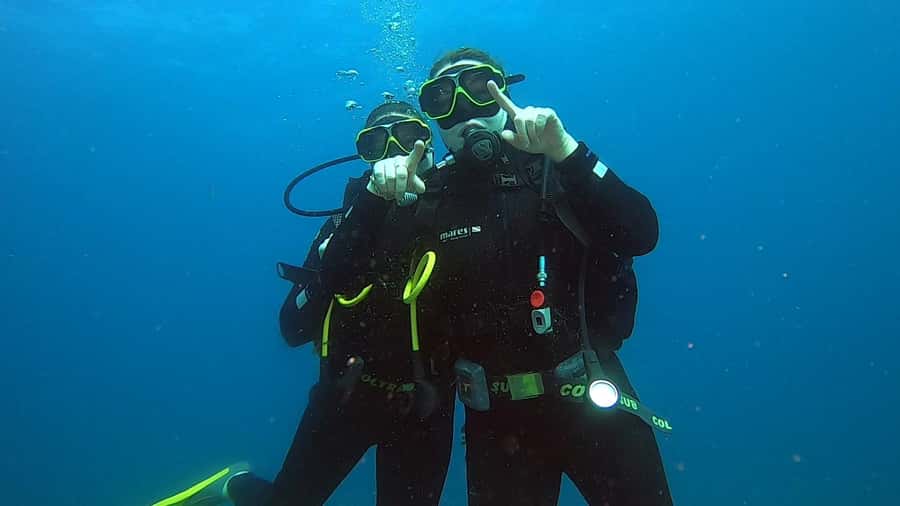
And yes, it’s called Discover Scuba, not Discover Stress. The structure helps. You’ll learn how to use the scuba gear properly, how to communicate underwater with hand signs, and how to handle basic skills without panic. That communication piece is huge. When you can signal calmly, underwater feels less like chaos and more like a conversation.
What happens in the first part: gear basics, theory, and hand-signs
Most first-timer problems are not about courage. They’re about confusion. Who controls what? What do I do if I feel off? How do I even talk to the instructor underwater?
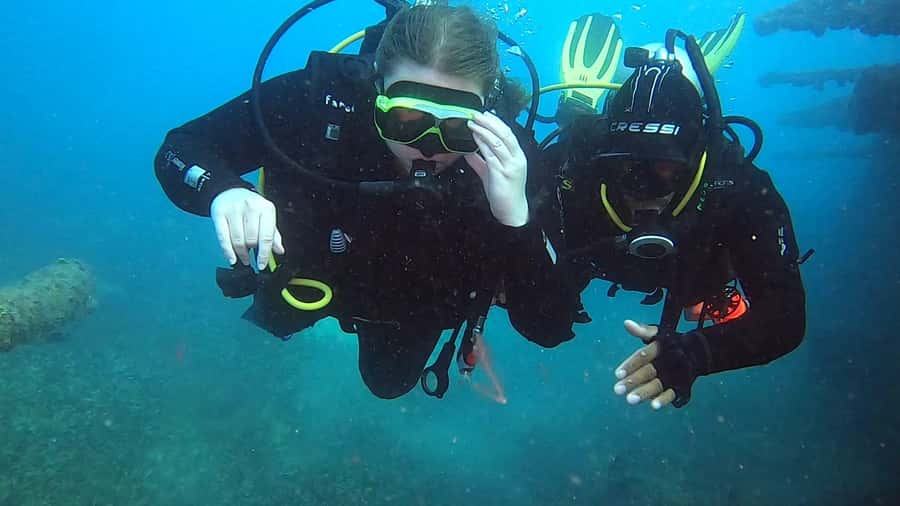
This program tackles those questions early. You get a brief theory lesson, focused on what you need to know to use the equipment and follow along safely. You also meet your instructor and learn how to use the scuba gear. That includes getting comfortable with the pieces of the kit and understanding how everything works as one system.
Then you practice hand signs for underwater communication. Even before you go into deeper water, those signals become your safety language. You’ll also practice simple skills so you’re not trying to learn everything at the same time as breathing underwater. The goal is to help you get your bearings fast.
One practical thing I love about this setup is that you are not thrown into open water before you’ve built muscle memory for the basics. If you need repetition, you get it during skills practice. If you’re already comfortable with swimming, great. If not, you still benefit from the step-by-step progression.
Still weighing it up? These are the Cape Verde trips we keep sending people on.
- Boavista: Turtle, Shark, Santa Monica, Sandboard & Tasting★ 4.7 · 228 reviews
- Boa Vista: Santa Monica, Dunes, Caves and Village 4×4 Tour★ 4.8 · 137 reviews
- Boa Vista: Whale Watching Trip with Motoryacht★ 4.3 · 115 reviews
- Boa Vista: 2-Hour Buggy 1000cc North Island Adventure★ 4.9 · 113 reviews
- From Boa Vista: Turtle Watching and Nesting Evening Tour★ 4.8 · 49 reviews
Shallow-water practice: where confidence is actually built
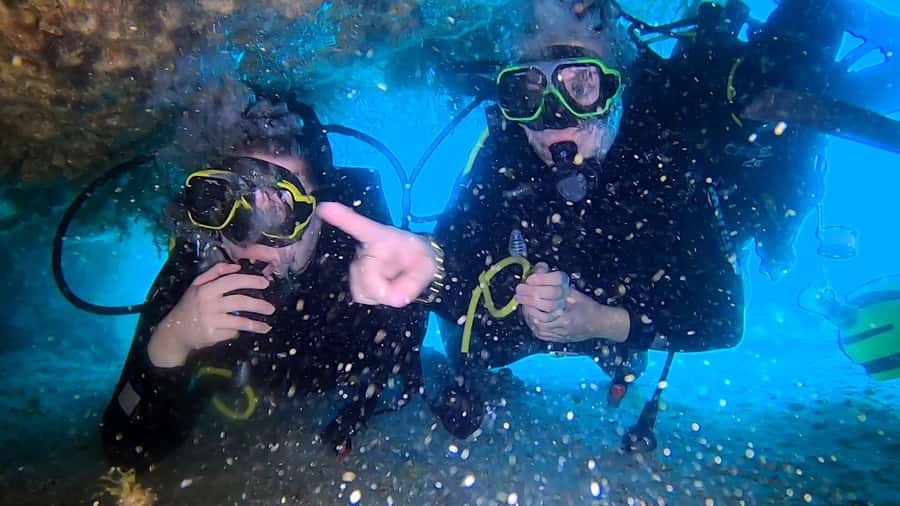
The shallow-water skills practice is the heart of this experience for beginners. This is where you get to experience the sensation of being underwater while still having lots of control and immediate feedback from your instructor.
You’ll work on basic scuba skills in shallow water. That means you can focus on breathing technique and movement without the extra workload that comes from depth, currents, or trying to remember everything at once. It’s also the place where hand signs stop being classroom theory and start becoming reflex.
Shallow water is also where you learn the rhythm you’ll need later. Breathing underwater is not just about lungs. It’s about staying calm, maintaining posture, and responding to your instructor’s cues. When you can do that in a controlled area, open water becomes a more reasonable next step.
The open-water session with an instructor: what to expect
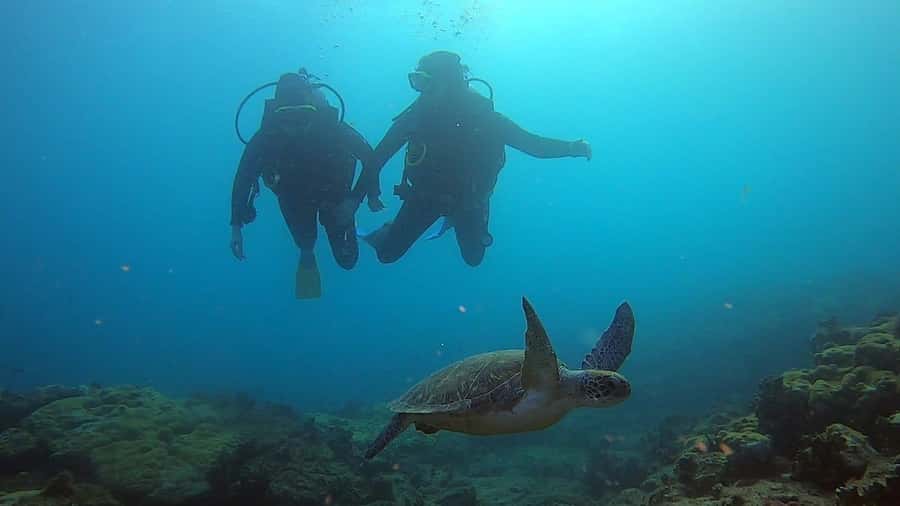
After theory and shallow-water skills practice, you’ll go into open water with your instructor. This is the moment most people come for: taking your first breaths underwater in a real open-water environment, not just a shallow practice area.
The program keeps the instructor right in the mix, guiding you through what you need to do while you’re underwater. You should think of it as an extended lesson, not a free-for-all swim. The point is connection. You’re learning how it feels and whether the experience matches your expectations.
What makes this format valuable is that you’re not guessing. You’ll use hand signals, apply the basic skills you practiced, and stay aligned with what your instructor wants you to do. If you ever felt nervous about scuba because you assumed you’d have to figure it out alone, this structure is built to remove that pressure.
And if you’re wondering what you get out of the experience beyond the thrill, the real value is the feedback loop. You’ll learn whether you enjoy the routine, the focus, and the underwater communication. That’s the difference between trying scuba once versus deciding to pursue certification.
Small group, multiple languages: why that matters in real life
Limited to 8 participants, this program gives your instructor a manageable group size. That’s not a detail to ignore. In a larger group, your corrections might be delayed, and you might lose time waiting. In a smaller setup, you’re more likely to get direct coaching when something feels off.
Language support is another big deal. The instructor speaks English, Portuguese, Spanish, and French. That means you can receive instructions in the language you’re most comfortable with. For first-timers, that reduces misunderstandings and helps you process safety instructions faster.
If you’re someone who likes clear directions, this will feel reassuring. If you’re nervous, it also helps. You can ask questions and understand what’s happening without having to translate everything in your head.
Gear included: the quiet money-saver
One of the biggest practical hurdles with trying scuba is figuring out equipment. Rentals, sizing, and pickup can add stress fast. Here, all necessary scuba gear is included. That’s a genuine value point because it removes the planning overhead, not just the cost.
It also matters because the gear is provided for the experience, and that generally means it’s set up to match the beginner program flow. You learn how to use it as part of the session, instead of trying to interpret instructions for equipment you only just received.
Even if you’re a strong swimmer, scuba introduces equipment you’ve never felt before. Having it provided and explained makes the learning curve smoother.

Price and value: is $129 a good deal?
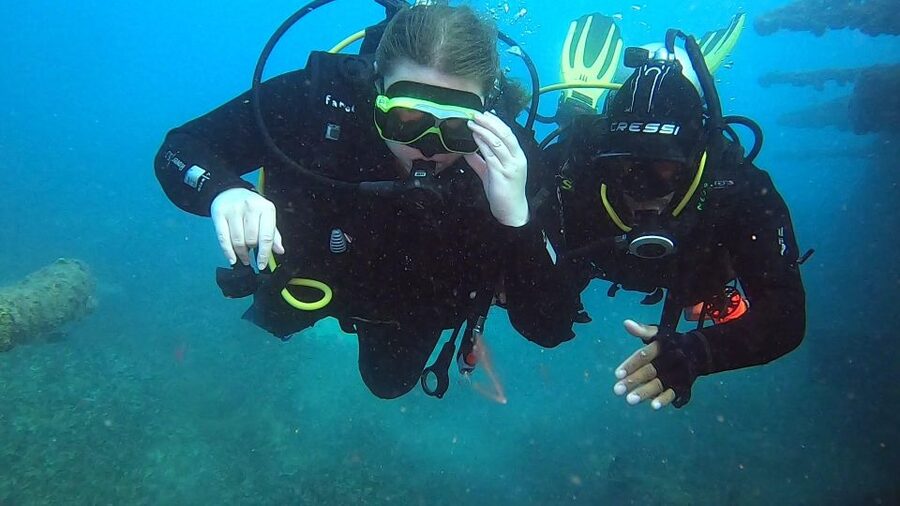
At $129 per person for a two-day experience, this program sits in a reasonable zone for an instructor-led introduction that includes gear plus both skills practice and an open-water session. Where it becomes good value is in what you get for the price.
You’re not paying just for one moment underwater. You’re paying for:
- brief theory
- shallow-water skills practice
- guided open-water experience
- all necessary scuba gear
You’re also paying for safety coaching and learning support. That’s hard to replicate on your own, and it’s one reason a beginner trial costs more than a casual boat tour.
Most importantly, you’re buying clarity. If you decide you like scuba, you’ll have a starting point for moving toward certification. If you realize it’s not for you, you’ve saved yourself from sinking time and money into a longer course before you knew how it felt.
Pickup and timing: how to plan your day
Pickup is included outside your hotel or apartment, about 30 minutes before the activity start. That means you should build in buffer time and be ready to leave when they call you.
Because the program is valid across 2 days and includes starting times based on availability, it’s smart to check what time slot fits your itinerary. If you want the most relaxing lead-up, schedule it earlier in your trip so you’re not rushed.
Also plan to keep your clothing and essentials simple. This program is hands-on. You’ll be in swimwear, and you’ll want your towel and sunscreen ready.
What to bring so you feel comfortable fast
Keep it basic and travel-light. You should bring:
- swimwear
- towel
- sunscreen
- water
This is enough to cover what you’ll need day to day. The big win is that you don’t need to bring scuba gear or spend time figuring out equipment logistics. You’ll focus on the experience, not the shopping list.
Who this is best for, and who should skip it
This is a beginner program. If you don’t have scuba certification yet, you’ll still be able to take part and learn basic skills with an instructor.
It’s not suitable for:
- pregnant women
- people with back problems
- non-swimmers
So if you’re considering it, be honest about your comfort level and fitness. The program involves underwater breathing and basic gear use. If you have any medical constraints, it’s best to talk with a professional before booking.
Who benefits most:
- first-timers who want a structured trial before certification
- people who like coaching and step-by-step learning
- travelers who want a small group experience rather than feeling lost in a crowd
A few practical tips that will make your session smoother
You’ll enjoy this more if you treat it like a lesson, not a performance. Go in curious and calm. Here are a few ways to set yourself up:
- Sleep and eat like you’d do for a physical lesson. This keeps breathing and movement easier.
- Follow the hand-sign system exactly. If something feels uncertain, ask or signal rather than improvising.
- Treat shallow-water practice as the main event. That’s where you build confidence for open water.
- Don’t compare yourself to others in the group. The instructor is coaching skills, and your pace is the point.
Frequently asked questions
FAQ
Do I need a scuba certification to join?
No. The program is specifically for beginners and teaches basic scuba skills with an instructor. You can do this even without certification to see if you like the activity.
What is included in the $129 price?
The program includes a brief theory lesson, skills practice in shallow water, a guided open-water session, and all necessary scuba gear.
Is the certification included?
No. This is a try-and-learn experience. Scuba diving certification is not included.
Are you picked up from my hotel?
Yes. Pickup is included outside your hotel or apartment about 30 minutes before the activity start.
How big is the group?
It’s a small group limited to 8 participants.
What languages are available for the instructor?
The instructor can teach in English, Portuguese, Spanish, and French.
What should I bring?
Bring swimwear, a towel, sunscreen, and water.
Who is this not suitable for?
It is not suitable for pregnant women, people with back problems, or non-swimmers.
Do I need to pay for hotel transfers?
Transfer from your hotel is not included. The cost depends on where you stay, such as 10 euros one way from riu Karamboa, Palace, Horizon, and Bravo, 50 euros back and forth from Touareg, and 4 euros for the trip from Sal Rei city.
Should you book this beginner scuba program on Boa Vista?
If you want to test scuba in a structured way, with gear handled for you and an instructor teaching you basics, I think this is a smart book. It’s especially good value when you’re trying to decide whether certification makes sense for you.
Skip it if you’re a non-swimmer, dealing with back issues, or pregnant. Otherwise, plan to treat the two days as hands-on training. By the end, you should have a real answer about whether scuba fits you, not just a story about what it looked like from the surface.
All Our Cape Verde Reviews


More Cape Verde tours from the same review pile
- Boa Vista: Shipwreck, 4×4 Ride & Caves Day Tour with Lunch
★ 5.0 · 3 reviews - Discover Scuba Diving Program for Beginners
★ 4.2 · 4 reviews - Boa Vista: Guided Turtle Experience with a Certified Guide
★ 4.0 · 4 reviews - Turtle watching in Boa Vista Island
★ 4.8 · 5 reviews - From Boa Vista: Sandboarding Adrenaline down the big Dunes
★ 4.8 · 8 reviews - Boavista: Private Birdwatching Expedition in natural Habitat
★ 4.3 · 10 reviews
Scuba Diving, compared.
 ★ 5.0Discover Scuba Diving in SalFrom $120182 reviews
 ★ 5.0Half-Day Diving in SalFrom $109135 reviews
 ★ 4.9Santa Maria: Discover Scuba DivingFrom $13581 reviews
 ★ 5.0Double Diving in Sal Island – Half DayFrom $10438 reviews
 ★ 4.7Santa Maria: Half-Day Diving Trip in Sal with PickupFrom $1146 reviews
 ★ 4.5First Diving Experience Try DiveFrom $1193 reviews
Browse the lists this tour appears in