
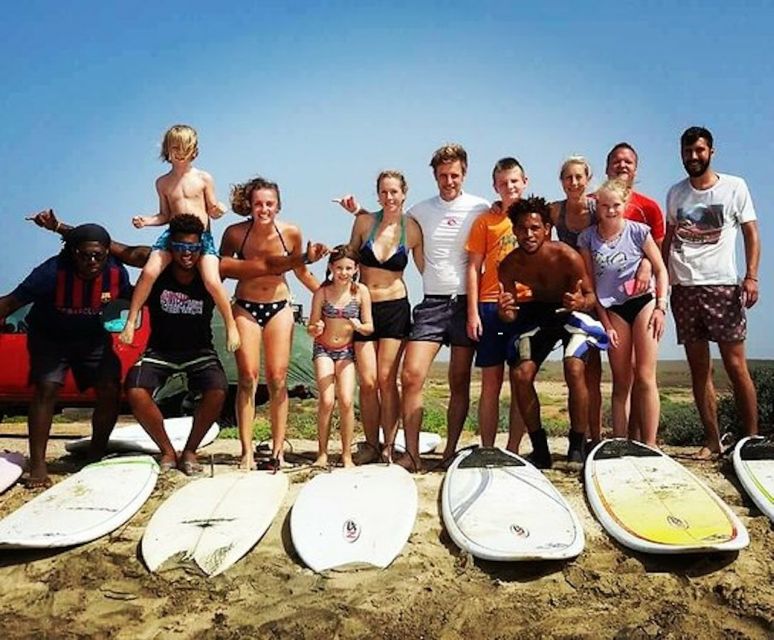
REVIEW · KITESURFING & SURF LESSONS
Sal: Surf Lesson
Surfing lessons in Cape Verde are pure joy.
I love how this one pairs real instruction with a clear progression, so you start on land, then move into the water for wave time. Two things I like a lot are the skill-level adjusted coaching (so beginners are not thrown to the deep end) and the focused goal of learning your pop up and staying balanced on the board.
One thing to consider: the lesson is weather and tide dependent, so the start time can shift to match conditions and high tide for safety.
In This Review
- Quick hits on this Sal surf lesson
- Why Santa Maria Beach works so well for first surf days
- Meeting point, timing, and how you get to the beach
- What the first phase feels like: dry-land technique drills
- The hour in the water: waves, depth, and staying safe
- What you’ll actually learn beyond standing up
- Private vs group lessons, and what you gain with one-on-one coaching
- Price and value: is $40 a fair deal?
- What to bring, and what to watch for on gear
- Who this lesson is best for, and who should skip it
- Should you book this Sal surf lesson?
- FAQ
- How much does the Sal surf lesson cost?
- Where do you meet for the lesson in Santa Maria?
- What time does the lesson start?
- How long is the time in the water?
- Is the lesson for beginners?
- Do I need to be able to swim?
- What equipment is included?
- What should I bring for the lesson?
- What if the weather is bad?
Quick hits on this Sal surf lesson
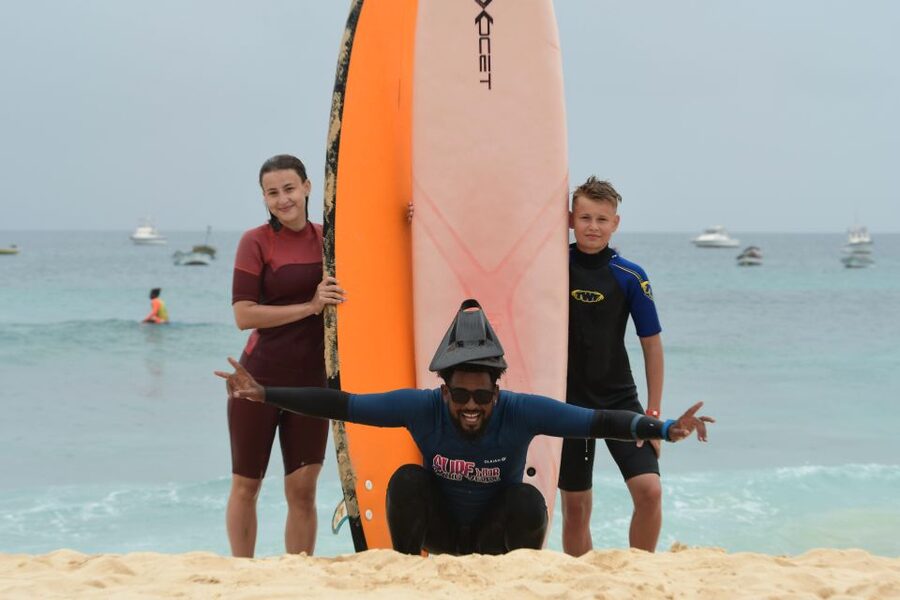
- Santa Maria Beach learning spot: chosen for beginners and intermediate learners
- Dry-land coaching first: practice the technique before you paddle out
- Pop up and balance focus: the basics that actually make surfing click
- Instructor stays close: you get support at the right depth for your level
- English plus multiple languages: English, Portuguese, Spanish, Italian, and French
- $40 value for equipment + training: board and gear included for the lesson duration
Why Santa Maria Beach works so well for first surf days
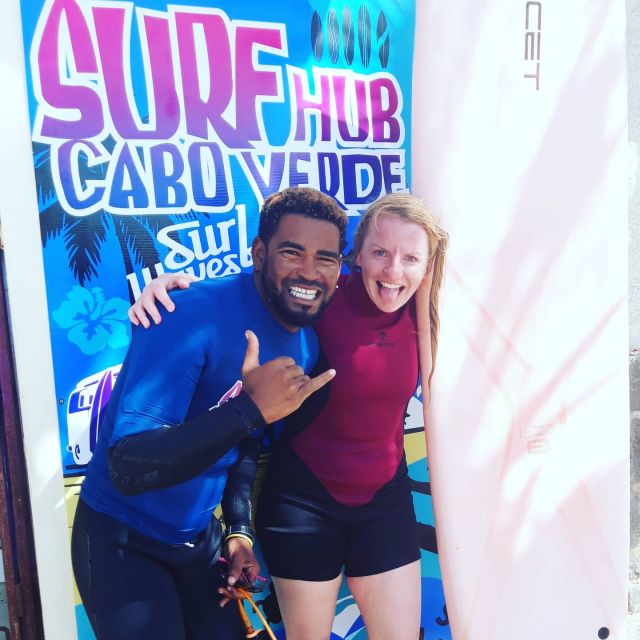
Sal is not just about beaches, it is about conditions that can help you learn. Santa Maria Beach is where your lesson starts, and it is a sensible choice for beginners and intermediates because it is set up for teaching people how to handle boards without chaos.
What you’ll feel here is a more structured kind of fun. You are not guessing what to do every second. The lesson is built around repeating the right movements until they feel natural, then applying them to the ocean.
Also, Cape Verde water and weather can be inviting, but the real win is the coaching approach that matches what the sea is doing that day. If conditions are not ideal, the school waits for better surf rather than forcing it.
Meeting point, timing, and how you get to the beach
After you book, you connect with the provider through WhatsApp. You will find the contact number on your voucher, and you use it to confirm the start time, since it can vary day to day.
The reason is simple: they teach at high tide for safety. That means your plan for the day should be flexible, especially if you’re pairing this with other Santa Maria activities. Build in a little buffer so a tide-adjusted start does not throw your schedule off.
Where to go: you head to Santa Maria on the road by the ocean. It is across from Fabrica de Grelhados, just by the main square and near Ocean Cafe. You’ll meet your instructors there, then you will walk over to the surf spot.
Once you arrive, you get your gear, wetsuit, surf shoes, and the board you will use for the hour in the water. That setup time matters, because it prevents the most common new-surf problem, which is showing up cold, unprepared, and rushed.
Other lessons in the Sal trade winds
- Sal: Kitesurfing Lessons★ 4.0 · 7 reviews
What the first phase feels like: dry-land technique drills
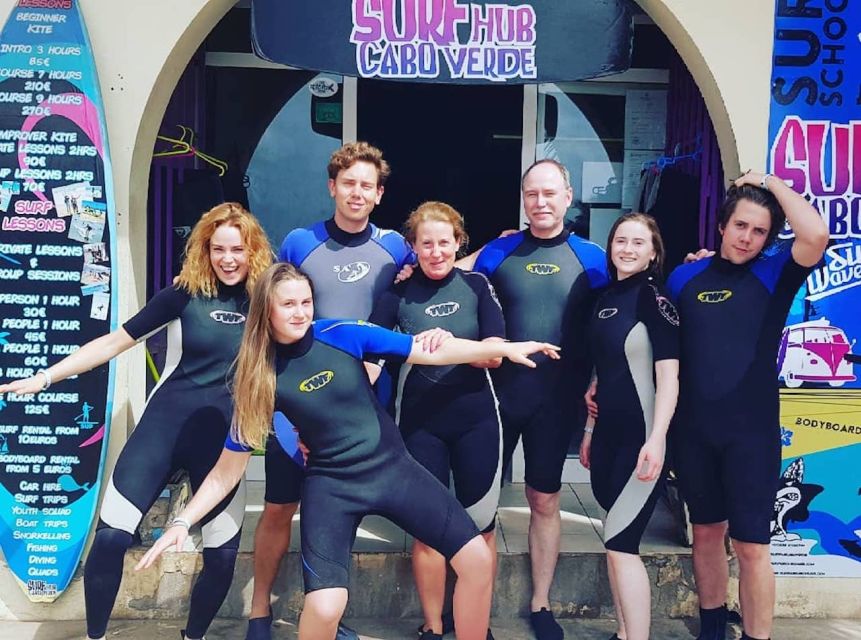
The lesson starts with a quick recap on the beach, especially helpful if you are brand new. Then you practice the fundamentals on land before you go in.
This is not a lecture. It is physical coaching. You’ll learn the mechanics behind the movements, then repeat them while the instructor corrects your form. That approach is why a lot of people get a big improvement in just one session.
A tip I really agree with based on how instruction is described: pay attention to the why, not only the what. If your foot placement or body position is off, the instructor should explain what that change fixes. That kind of feedback helps you correct fast, and it builds confidence for the ocean part.
It is also where you learn the sequence for your pop up. In surfing, the pop up is your moment of truth. If it feels consistent on land, it becomes far less stressful in the water.
The hour in the water: waves, depth, and staying safe
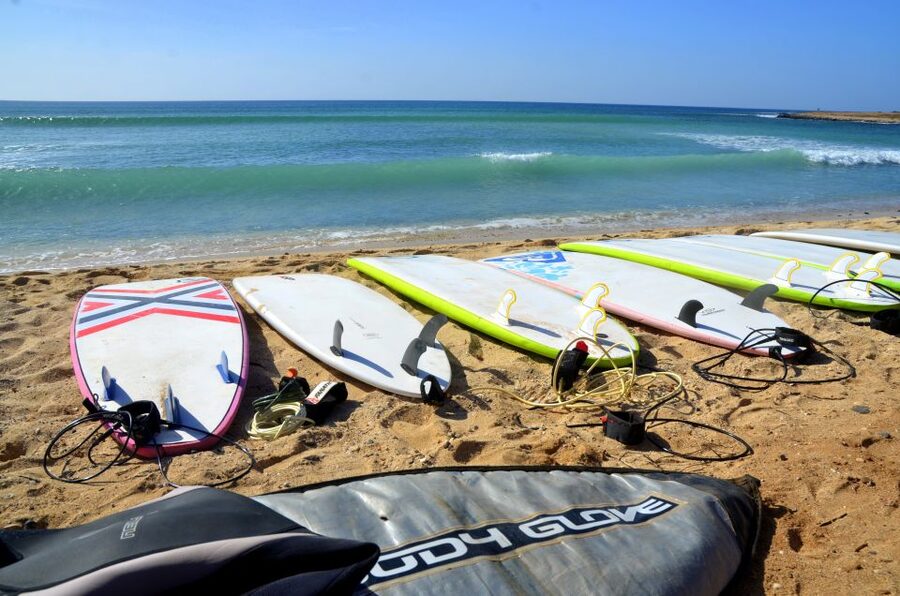
Once the technique is explained, you head into the water. Your lesson includes about an hour of surf time, and you’re working on catching waves in the blue water around Sal.
The biggest advantage here is that you are not treated like a spectator sport. The instructor takes you out to the required depth for your level and then stays with you. That makes a massive difference when you’re learning how to time paddling and turning your board without panicking.
A key requirement is that participants must be able to swim. This is not negotiable, and it affects comfort from the start. If you can swim confidently, you’ll spend more energy learning and less energy worrying.
Also, the surf school adjusts to the day’s conditions. If waves and wind are better for beginners or for intermediates, you benefit from that. If conditions do not match your level, the lesson timing and plan aim to keep it workable.
What you’ll actually learn beyond standing up
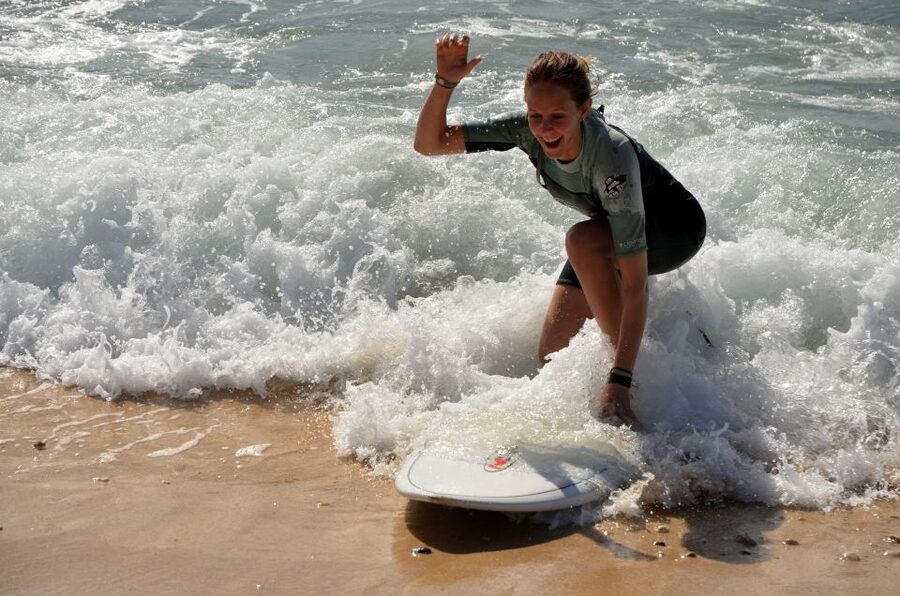
Yes, you want to catch waves. But a real learning goal is what makes surfing repeatable. This lesson is built around a few core skills that help you progress quickly.
Wave riding basics: You work on how to get into position and how to stay stable once you’re up. Stability is not just balance, it is calm control of your body as the board moves.
Pop up mechanics: You practice the movement until it feels like a flow instead of a scramble. The pop up also connects to safety. If you can stand smoothly, you reduce the awkward falls that happen when you are trying to guess timing.
Reading the moment: Even in one hour, you start recognizing the rhythm of incoming waves. You begin to understand when to paddle, when to pause, and when to commit. That’s the difference between chasing every wave and choosing the waves that match your skill.
And you’ll likely notice a social vibe at Santa Maria. When you start getting it right, you can end up surfing alongside locals. That matters because it turns your lesson from an isolated activity into part of the real beach rhythm.
Private vs group lessons, and what you gain with one-on-one coaching
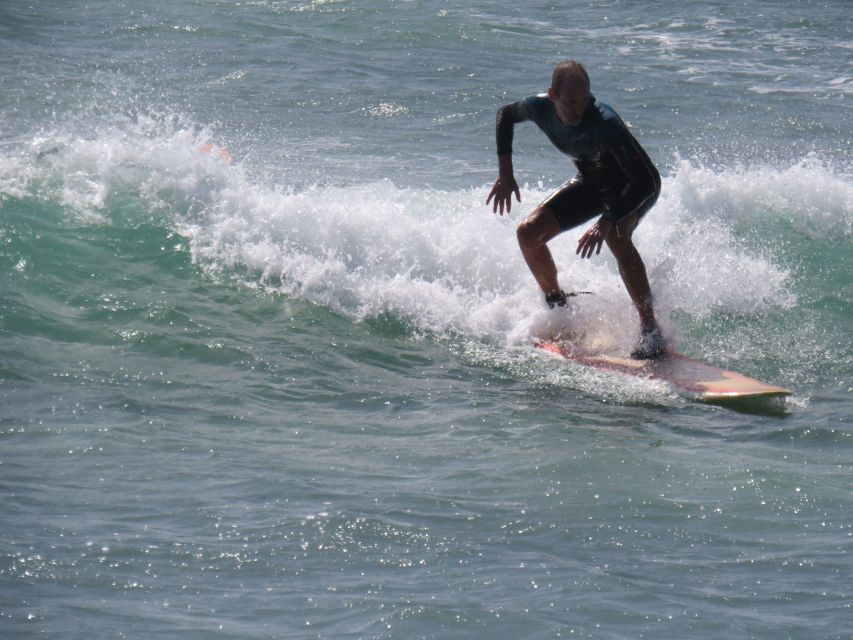
This experience offers private or group lessons, and your decision should depend on how you learn.
A private lesson is great if you want faster feedback. You’ll get more direct correction during the dry-land phase, and the instructor can focus tightly on what you specifically need for your pop up and balance.
There’s evidence this works well: one learner described a solo lesson with Ruben, calling him super professional and very patient. Another shared that the instructor explained what was wrong and why to their son, then stayed with him at the right depth, which helped him quickly improve.
Group lessons can be good value too, if you’re comfortable learning with others and you don’t need constant individual attention. In a group, the instructor still adjusts your instruction to your skill level, but your corrections will be shared across more than one person.
If you are the type who wants to progress to the next step quickly, choose private. If you’re mainly after a fun, confidence-building introduction, a group session can still be a win.
Other sessions where you make something

Price and value: is $40 a fair deal?
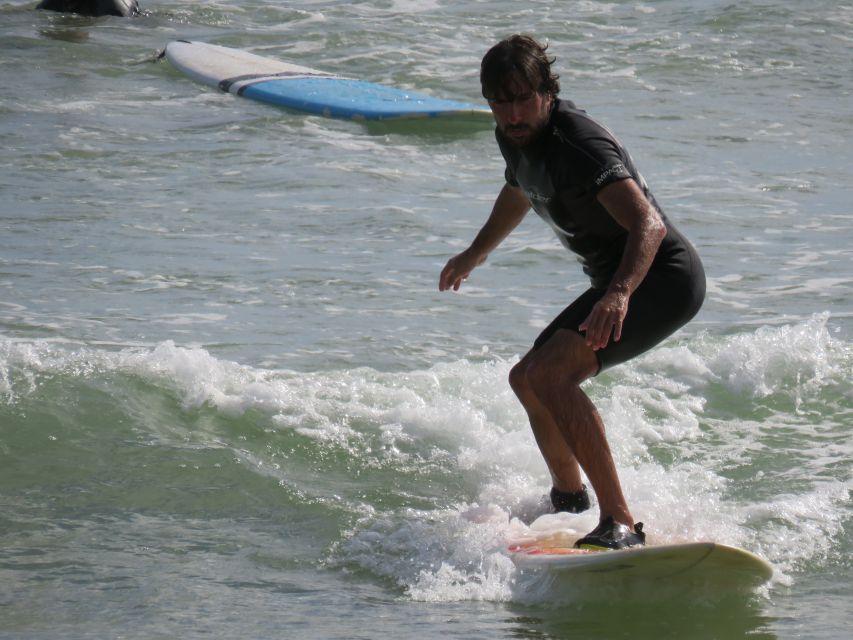
The price is $40 per person, and the real value is what’s included. You get a qualified instructor plus a surf board and equipment for the lesson duration.
In practical terms, that means you’re not stuck hunting for gear right after you arrive. You also avoid spending your trip time negotiating rentals or waiting in lines. The included equipment setup is part of the value.
You will still want to plan for food and drinks, since those are not included. Bring a simple plan for hydration before your start time, especially if the lesson shifts toward peak beach hours.
So, is it worth $40? For most first-timers, yes, because you are paying for coaching time plus the equipment. Surfing without instruction can be a long day of trial and error. With instruction, you get a short path to standing up, then staying steady.
What to bring, and what to watch for on gear
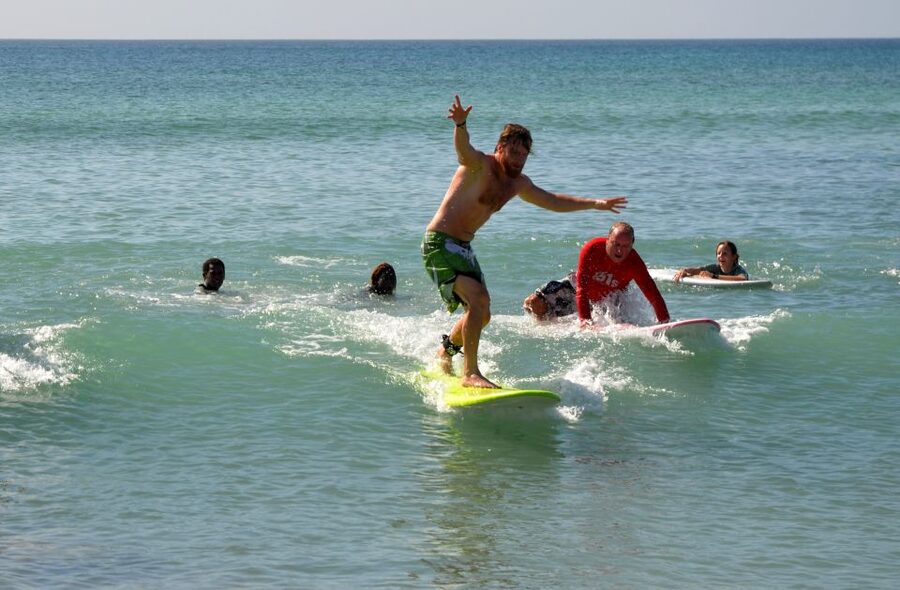
The school provides boards, wetsuits, and surf shoes, and you’ll pick them up when you meet your instructors. Still, you should show up ready for movement and water time.
Bring:
- Swimwear you’re comfortable getting wet in
- Sunscreen and a hat if you wear one (check with your own comfort in the wetsuit)
- A towel for afterward
One specific gear note comes up in a real-world suggestion: some surf shoes can be worn out. If you already have your own comfortable water footwear, you might prefer bringing it. Otherwise, just inspect what you’re given before you head into the water and speak up if something feels off.
Also, since the lesson is weather dependent, wear layers you can manage. If the day starts cooler, you’ll be glad you planned for temperature changes.
Who this lesson is best for, and who should skip it
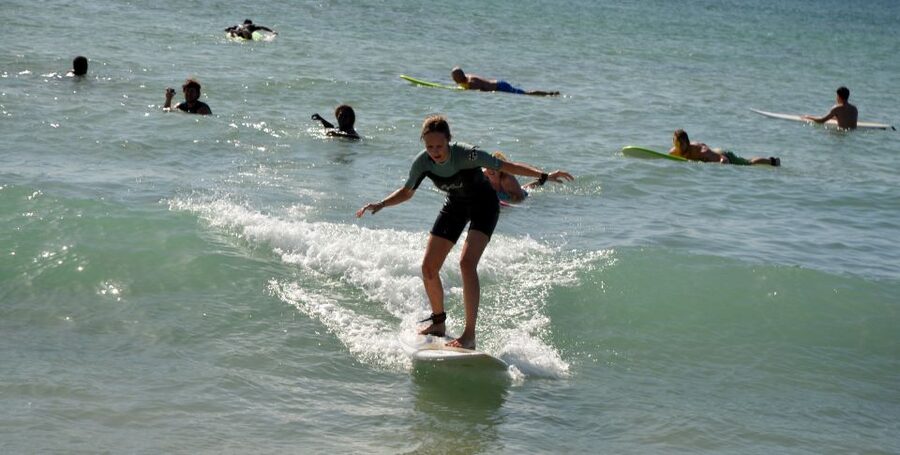
This is a solid choice if you’re a beginner who wants structure, or an intermediate who wants corrections that make your surfing smoother.
It is especially good for people who:
- Can swim
- Enjoy coaching and repetition
- Want to learn the pop up and balance basics
- Prefer guided safety rather than guessing in the ocean
It is not suitable for children under 8, people with mobility impairments, non-swimmers, people over 287 lbs (130 kg), people with low level of fitness, and people over 70 years. If any of those apply, you’ll be better served looking for an alternative activity that matches your needs more comfortably.
Should you book this Sal surf lesson?
I’d book it if you want a short, high-impact surf session with clear technique coaching and a real chance to stand up, catch waves, and learn why your movement works. The fact that instruction includes dry-land practice, then a guided hour in the water, makes it a good first surfing step.
Skip it if you’re the kind of traveler who needs a rigid schedule. The start time shifts based on tide, and the lesson runs only when conditions are good for the group’s level. Build flexibility into your day, and you’ll get more out of it.
If you’re in Santa Maria on Sal and you want a fun, practical skill that connects you with the ocean, this is a strong value at $40, especially because the instructor and equipment are handled for you.
FAQ
How much does the Sal surf lesson cost?
It costs $40 per person.
Where do you meet for the lesson in Santa Maria?
You meet in Santa Maria on the road by the ocean, across from Fabrica de Grelhados, near the main square and Ocean Cafe.
What time does the lesson start?
The start time varies by day and is confirmed through WhatsApp, because the school teaches at high tide for safety.
How long is the time in the water?
You spend about one hour in the water during the lesson.
Is the lesson for beginners?
Yes. The spot is described as good for beginners and intermediates, and the lesson is adjusted based on your skill level.
Do I need to be able to swim?
Yes. Participants must be able to swim.
What equipment is included?
You get a surf board and equipment for the lesson duration, and you also get wetsuit and surf shoes at the start of the activity.
What should I bring for the lesson?
Since food and drinks are not included, plan to bring what you need for before and after the session. You also should come prepared for water and beach practice.
What if the weather is bad?
The activity is weather dependent, so the lesson takes place when conditions are good and there are nice waves for your level.
Sit Down and Make Something

All Our Cape Verde Reviews

Kitesurf and Surf Lessons
More Cape Verde tours from the same review pile
- Sal: Small Group Island Tour & Lunch with a Local Family
★ 4.4 · 3 reviews - Sal: Romantic Sunset Escape with Wine and Roundtrip Transfer
★ 4.3 · 3 reviews - Postcards of Boa Vista 4×4 Tour with Shipwreck & Local Lunch
★ 4.5 · 4 reviews - Boa Vista Full Day 4×4 Island Tour with Beachfront Lunch
★ 3.5 · 4 reviews - Santa Maria: Half-Day Diving Trip in Sal with Pickup
★ 4.7 · 6 reviews - Sal: Kitesurfing Lessons
★ 4.0 · 7 reviews
Kitesurfing & Surf Lessons, compared.
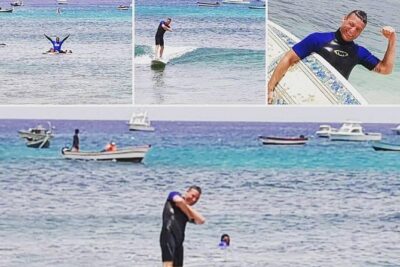 ★ 5.0Surf LessonsFrom $3960 reviews
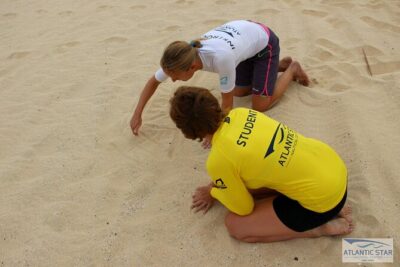 ★ 5.0Kite Surf Lessons on Sal IslandFrom $15317 reviews
 ★ 5.0Kitesurf Lessons in Cape VerdeFrom $1418 reviews
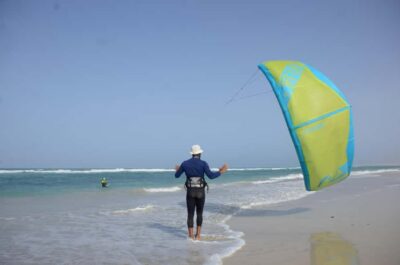 ★ 4.0Sal: Kitesurfing LessonsFrom $1417 reviews
Browse the lists this tour appears in