
REVIEW · SAL ISLAND TOURS
Watch Sea Turtles Nesting – Night Tour in Sal Island
Sea turtles at night are hard to forget. On Sal Island you get a front row seat to loggerhead nesting on one of the top turtle beaches on Earth, guided by eco-minded locals using infrared lighting to avoid disturbing the animals. I like that the tour is built around respectful conservation, and I like that the guides set you up with rules and context before you step onto the sand. One watch-out: timing can be a bit all over the place, with some departures running shorter than you might expect after a later hotel pickup.
If you want a big nature moment without harsh crowd energy, this is the kind of tour you do for the behavior, not for the photos. Your best chance is to stay calm, walk quietly, and wait when the guide tells you to stop. Also note it is not suitable for mobility impairments or wheelchair users, since you will be on sand at night.
In This Review
- Key things to know before you go
- Why Sal Island turtle nesting is a big deal, and what you will actually see
- The nighttime format that keeps turtles calm: infrared, silence, and distance
- Santa Maria pickup and the drive to beaches like Algodoeiro, Kite Beach, or Serra Negra
- What happens on the sand during the 2 to 3 hour nesting watch
- Group tour vs private vs deluxe glamping: what changes, and what stays the same
- Group option
- Private option
- Deluxe glamping experience
- Price at $46 per person: what you are really paying for
- Practical packing for a turtle night: dark clothes, sturdy shoes, and mosquito survival
- Timing and duration: why your night might run short or start late
- Who should book this tour, and who should skip it
- A quick note on rules that make this work for everyone
- Final verdict: should you book SALTOURS by Carlos on Sal Island?
- FAQ
- How long does the sea turtle nesting night tour last?
- Where are the pickup and drop-off points?
- Which beaches might the tour visit on Sal Island?
- Are infrared lights used during the tour?
- What turtle species will you see?
- Is flash photography allowed?
- What languages are the guides?
- Is the tour suitable for children?
- Is it suitable for wheelchair users or people with mobility impairments?
- Does the tour run every day?
Key things to know before you go
- Infrared lights for close viewing so you can see nesting details without harsh beams.
- A conservation briefing first, so you know what you are looking at before you arrive at the shoreline.
- Protected beaches on Sal such as Algodoeiro, Kite Beach, or Serra Negra, depending on conditions.
- Turtle behavior depends on the night with possible false crawls, and hatchling chances mainly in September and October.
- Small group format aimed at an intimate, low-impact experience.
- Bring the right clothes for mosquitoes and sand since you will be standing and walking on the beach after dark.
Why Sal Island turtle nesting is a big deal, and what you will actually see
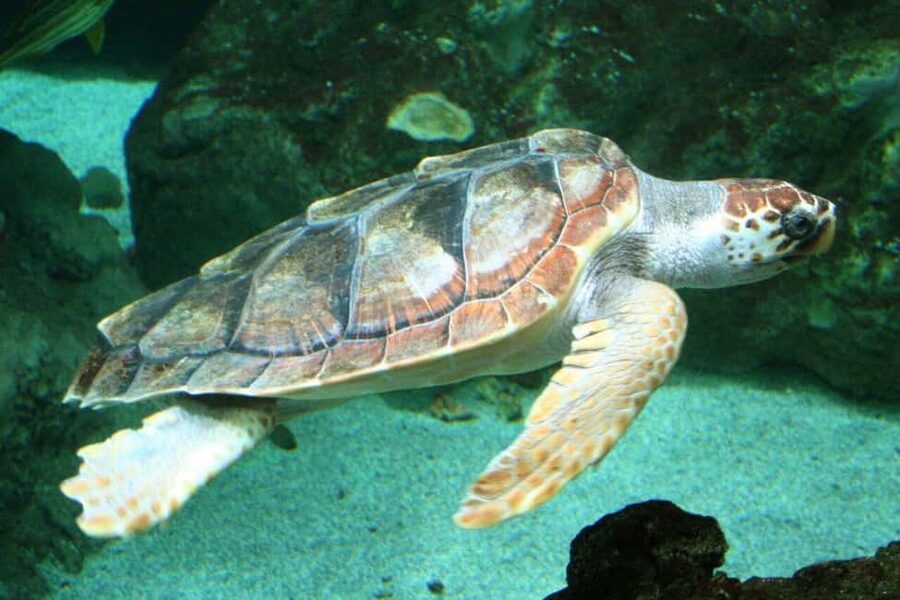
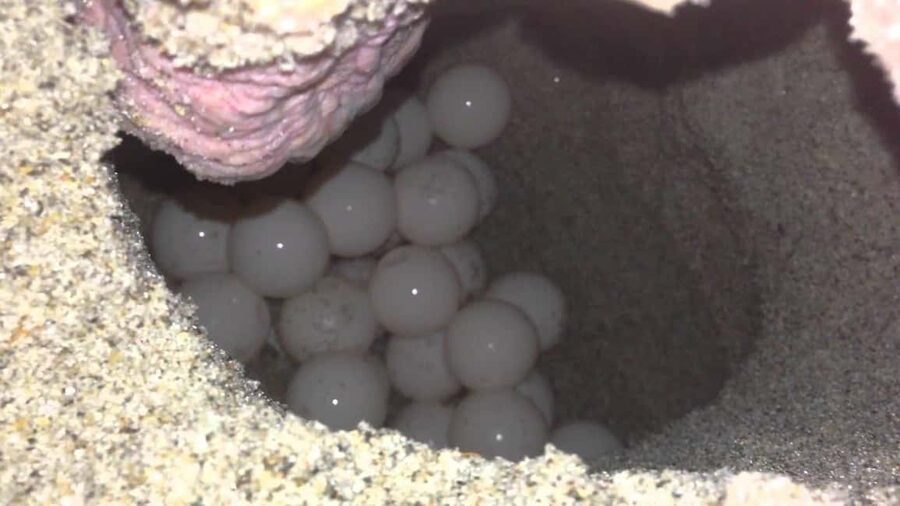
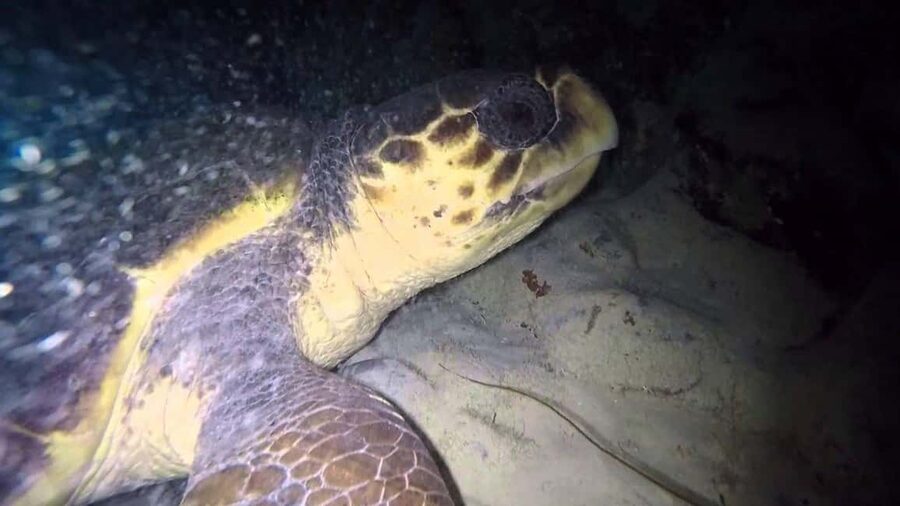
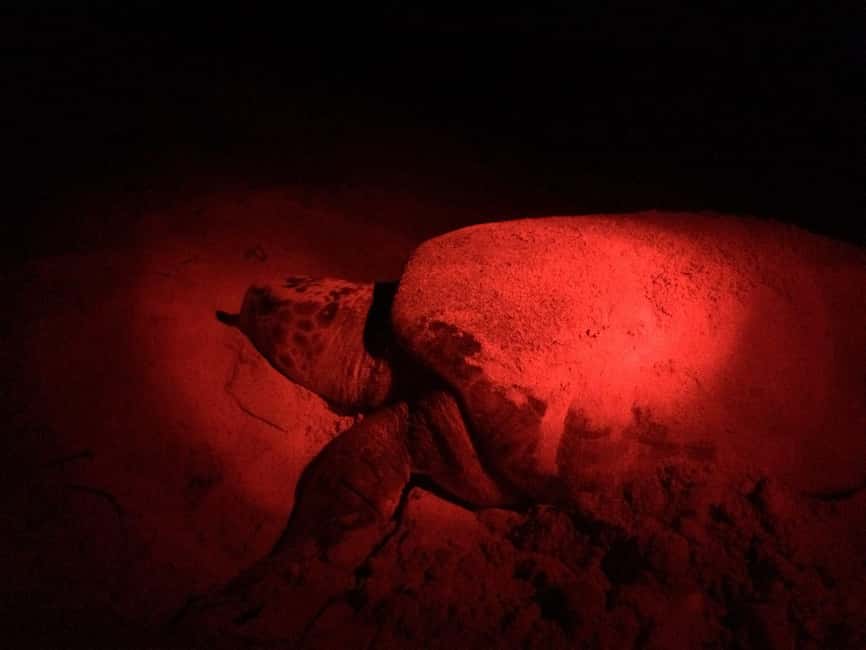
Cape Verde is in the top global conversation for loggerhead sea turtles, and Sal Island plays a major role. The nature event you are chasing is not just a random turtle sighting. It is the whole nesting sequence: a female turtle comes from the sea, finds a spot, digs a nest, lays eggs, covers them, then returns toward the water.
That is why the night tour format matters. Turtle nesting is a slow drama. You do not rush it, and you do not herd it. When it happens, it feels almost too real for a beach evening. If you are coming to Sal for sun and resorts, this is the side of the island that makes you stop and look up, then down, then listen for the quiet signals the guide points out.
There is also a conservation angle you will notice in how the night is run. This is not a casual walk where people do whatever they want. The rules are strict for a reason: nesting beaches are fragile, and sea turtles are sensitive to light and disturbance.
The nighttime format that keeps turtles calm: infrared, silence, and distance
The biggest reason this tour works is the lighting plan. You walk to the beach using red or infrared lights, not bright white beams. That is the practical difference between seeing turtles from far away and seeing nesting details up close without disrupting their behavior.
Before you head out, your local guide gives a short but useful briefing about turtle biology and conservation. You learn the species focus, loggerhead sea turtles (Caretta caretta), plus the basic life cycle and why nesting conditions matter. Then you get into the behavior mode: quiet voices, slow movement, and a lot of patience.
Once you are on the sand, the waiting becomes part of the show. You stand still, watch, and let the turtle set the pace. If a turtle emerges, the guide keeps you respectful and controlled so you do not crowd an animal that is doing something delicate and time sensitive.
In my view, this is also where the tour earns its value. Many wildlife experiences sell you excitement. This one sells you the chance to witness an event properly, with fewer interruptions and better odds of not turning the beach into a nightclub.
More of Sal, salt crater to beach strip
- Sal Island: Guided Full-Day Highlights Tour with Lunch★ 4.7 · 414 reviews
- 3-hour Catamaran Adventure on the waters of Sal Island★ 4.7 · 349 reviews
- Santa Maria: Sal Island Sea Turtle Watching Experience★ 4.5 · 256 reviews
- From Santa Maria: Sal island Zipline Experience (Official)★ 4.7 · 227 reviews
- Santa Maria: Sal Island All-inclusive Adults-only Catamaran★ 4.3 · 163 reviews
Santa Maria pickup and the drive to beaches like Algodoeiro, Kite Beach, or Serra Negra
Most people start from Santa Maria, with hotel pickup and drop-off in the town. After pickup, you take a short drive to a protected turtle nesting beach. The exact beach can vary by night and conditions, with options such as Algodoeiro, Kite Beach, or Serra Negra.
This part matters because the nesting zone you get is all about the turtles, not your itinerary. If you are hoping for a specific beach name, the best mindset is flexible. Your guide will steer the group to where the conditions and access make sense for turtle observation.
If you are staying outside Santa Maria, plan for extra logistics. Transfers from Murdeira Village are listed as available for an extra cost, so budget time and money if that is your situation.
What happens on the sand during the 2 to 3 hour nesting watch
The experience is designed around a long, quiet beach session, usually lasting around 2 to 3 hours. It is not a quick photo stop. You spend real time standing there, which is exactly what turtles need, and exactly what you need if you want to see more than a glimpse.
Here is what you should expect during the wait:
- The guide helps you settle into a quiet viewing position.
- You watch for a female turtle coming up from the sea.
- If the night is right, you can see the nesting sequence start to finish, including digging, egg laying, and covering the nest.
Sometimes you might see a turtle begin the process and then stop, which can look like a false crawl. That is part of the natural rhythm. Depending on season and luck, you might also see tiny hatchlings making their way to the ocean, mainly in September and October.
The tour is described as suitable for all ages, which makes sense because the main activity is observation and listening. That said, it is not suitable for people with mobility impairments or wheelchair users. Sand walking at night is not something you can easily adapt with standard accessibility tools, and the experience requires quiet, slow positioning.
Also, the success rate is a big selling point: nearly 100% turtle sighting success over the past five nesting seasons. Realistically, wildlife always has a variable factor. But it does tell you this operation has consistency, access, and careful practice.
Group tour vs private vs deluxe glamping: what changes, and what stays the same
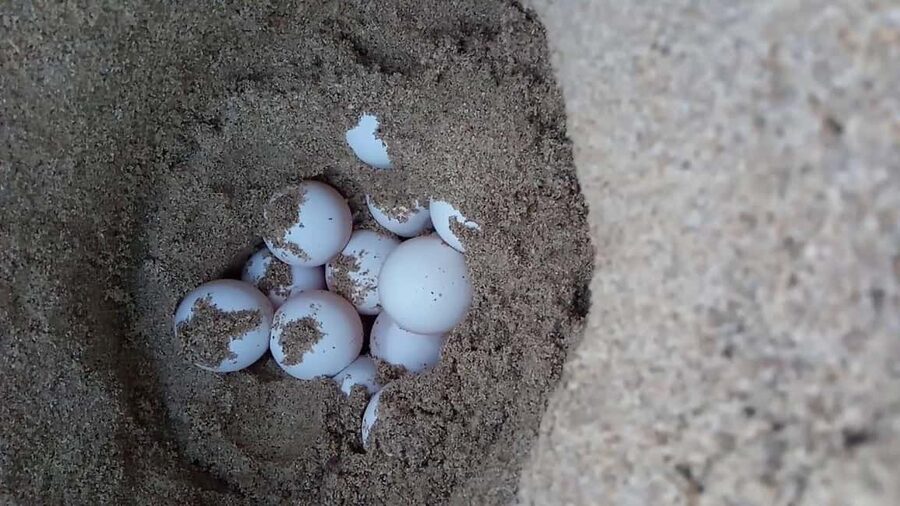
Your observation style is the main difference between options.
Group option
You join a small group. The format is meant to stay intimate, so you are not shouting over a crowd. You still get the core value items: pickup in Santa Maria, guide briefing, protected beach viewing, and infrared lighting for non-intrusive observation.
Other turtle nights we have sat out on

Private option
Private means your group has a private vehicle and guide, so you get more personalized handling of pace and questions. Soft drinks and snacks are indicated for the private experience, though the information also flags that snacks may come with an extra cost depending on the package you pick. A video souvenir of the turtle nesting is listed as extra cost for private tours.
If you like wildlife but hate waiting around, private can reduce the stress. You are also more likely to have your guide help you read what you are seeing.
Deluxe glamping experience
The deluxe choice is described as a private version with snacks plus a glamping tent, plus a souvenir video. This is for people who want the nature moment, but also want the comfort layer after sunset, without losing the turtle-focused rules.
No matter which option you pick, the non-negotiables stay the same: quiet behavior, no flash photography, and respect for turtles and nests.
Price at $46 per person: what you are really paying for
At $46 per person, this night tour is priced like an experience, not a transfer. You are paying for more than access to a beach.
In the included package, you get:
- Hotel pickup and drop-off in Santa Maria
- A professional multilingual local guide (Portuguese and English guaranteed)
- Turtle nesting observation at protected beaches
- Intro briefing on biology and conservation
- Infrared lighting for non-intrusive viewing
- Small group structure
- Liability insurance
- Child and infant seats available on request
That list is what drives the value. The infrared approach is not cheap equipment, and a trained guide who knows how to manage the group matters when the goal is low-impact observation. The brief also helps you understand why you are waiting, why you sometimes see a turtle hesitate, and why you should not try to move closer.
Compared to many casual night outings, you are paying for structure that protects the animals and improves your odds of meaningful observation.
Practical packing for a turtle night: dark clothes, sturdy shoes, and mosquito survival
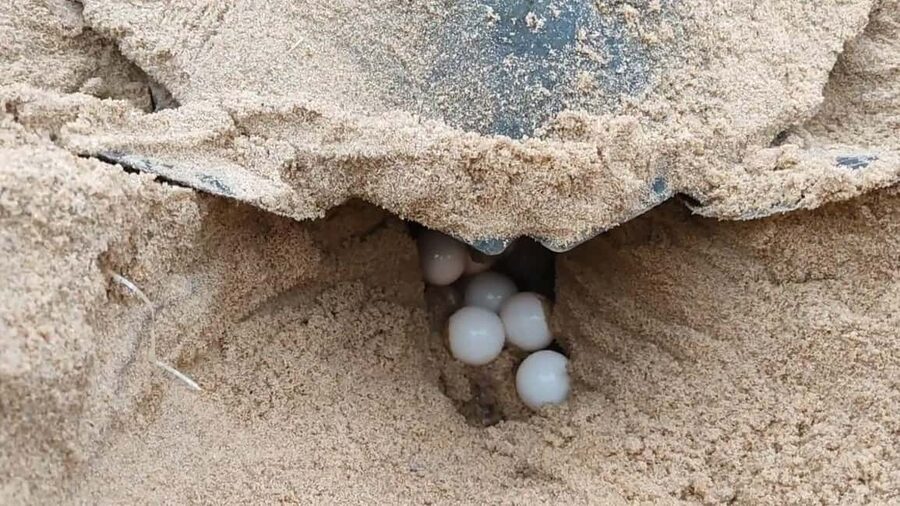
This tour is simple, but it is picky. That is a good sign. It usually means the operator is trying to protect the nesting area and keep the lights low.
What to bring:
- Comfortable shoes for walking on sand
- Weather-appropriate clothing
- A light jacket or cardigan, since it can get cool at night
- Biodegradable insect repellent
And this is where I want you to read carefully. The rules list includes a note about insect repellent, but it also asks you to bring mosquito repellent. To stay safe and follow the tour rules, use only the type you are told is allowed on your tour, and keep it scent-free.
What not to bring or use:
- Flash photography or flashlight use
- Bright colors or reflective clothing
- Strong perfumes, deodorants, or scented lotions
- Smoking
- Drones
- Pets
- Anything involving alcohol and drugs
- Littering, touching marine life, or interfering with turtles or nests
One practical tip that shows up clearly from real experience: cover your legs and arms. Mosquitoes can be intense on the beach at night, and using protective clothing helps you avoid the scramble mid-tour.
Timing and duration: why your night might run short or start late
This is the part you should plan for with a little flexibility.
One recent experience described a pickup around 8:30 pm, with a return to the hotel by about 10:00 pm. Another described a departure that was supposed to start at 8:00 pm, but the hotel pickup was about 40 minutes late, and the time on the beach ended up closer to an hour than the expected 2 to 3.
So what is the takeaway? Turtle nights are wildlife nights. The nesting event is the main schedule driver. If a turtle shows up early, you might see action sooner. If the beach timing shifts, the tour can shorten or the viewing window can change.
My advice is to treat this like a 2 to 3 hour window in theory, then give yourself buffer time in your evening plans. Do not stack another activity right after the pickup window expects to end. If you have dinner plans, make them flexible.
Also, if you are sensitive to late starts, message or confirm details the day before with the operator so you have the best chance at an on-time pickup.
Who should book this tour, and who should skip it
You should seriously consider booking if:
- You want a nature moment that is quiet, respectful, and real
- You like learning while you watch, not just standing in the dark hoping for a lucky view
- You want low-impact viewing tools like infrared lighting
- You travel with kids and want a guided experience that is described as suitable for all ages
You should skip or rethink if:
- You use a wheelchair or have mobility impairments, since it is not suitable for wheelchair users
- You have no patience for waiting in silence on sand
- You are not comfortable with mosquitoes and nighttime beach rules
If you are looking for a party vibe, this is not that. The rules against flash photography, strong fragrances, and loud behavior keep the experience focused. It is about the turtles, not your social media feed.
A quick note on rules that make this work for everyone
There are a lot of do-not-do rules. They can feel strict, but they also explain why the sighting success stays high.
Key constraints include:
- No flash photography or flashlight use
- No loud noises or disruptive behavior
- No bright or reflective clothing
- No touching turtles or nests
- No feeding animals
- No drones, pets, or smoking
- No alcohol and drugs
If you go in thinking, I will follow these rules, you will have a better time. You will also help the guide manage the group and keep the turtles doing what they came to do.
Final verdict: should you book SALTOURS by Carlos on Sal Island?
I think this is a strong booking if your goal is an ethical, guided look at loggerhead nesting on Sal. The combination of infrared lighting, a conservation-first briefing, and expert local guiding is exactly what turns a night on the beach into a meaningful encounter, not just a gamble.
Book it if you can handle sand at night, you are okay with waiting, and you will dress for mosquitoes and darkness. Consider skipping if you have mobility limits, you want nonstop action, or you need guaranteed timing down to the minute.
If you do book, show up ready to be quiet, prepared with dark, covered clothing, and patient. That is the formula that lets the turtle take its time, and it is the formula that lets you see the nesting story from start to finish.
FAQ
How long does the sea turtle nesting night tour last?
The experience lasts around 2 to 3 hours.
Where are the pickup and drop-off points?
Hotel pickup and drop-off are included in Santa Maria.
Which beaches might the tour visit on Sal Island?
The tour can go to protected turtle nesting beaches such as Algodoeiro, Kite Beach, or Serra Negra.
Are infrared lights used during the tour?
Yes. Infrared lights (and red or infrared lighting for walking to the beach) are used for non-intrusive observation.
What turtle species will you see?
The tour focuses on loggerhead sea turtles (Caretta caretta).
Is flash photography allowed?
No. Flash photography is not allowed, and flashlight use is also listed as not allowed during the activity.
What languages are the guides?
Portuguese and English are guaranteed, and other languages may be available where possible.
Is the tour suitable for children?
It is described as suitable for all ages, and child and infant seats are available on request.
Is it suitable for wheelchair users or people with mobility impairments?
No. It is not suitable for wheelchair users or people with mobility impairments.
Does the tour run every day?
It happens every day, including Sundays and holidays during the season.
All Our Cape Verde Reviews


Turtle Watching, Other Nights

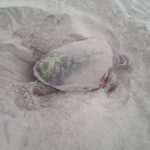
Sal Island, a Few More Ways

More Cape Verde tours from the same review pile
- Sal: Small Group Island Tour & Lunch with a Local Family
★ 4.4 · 3 reviews - Sal: Romantic Sunset Escape with Wine and Roundtrip Transfer
★ 4.3 · 3 reviews - Postcards of Boa Vista 4×4 Tour with Shipwreck & Local Lunch
★ 4.5 · 4 reviews - Boa Vista Full Day 4×4 Island Tour with Beachfront Lunch
★ 3.5 · 4 reviews - Santa Maria: Half-Day Diving Trip in Sal with Pickup
★ 4.7 · 6 reviews - Sal: Kitesurfing Lessons
★ 4.0 · 7 reviews
Sal Island Tours, compared.
 ★ 5.0Horse Riding in Sal Island – Cabo VerdeFrom $60500 reviews
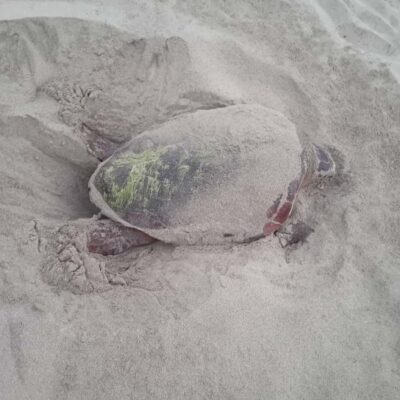 ★ 4.6Santa Maria: Sea Turtle Watching Experience on Sal IslandFrom $41446 reviews
 ★ 4.7Sal Island: Guided Full-Day Highlights Tour with LunchFrom $69414 reviews
 ★ 4.73-hour Catamaran Adventure on the waters of Sal IslandFrom $69349 reviews
 ★ 5.0Electric Beach Bike – Guided Tour in Sal IslandFrom $34349 reviews
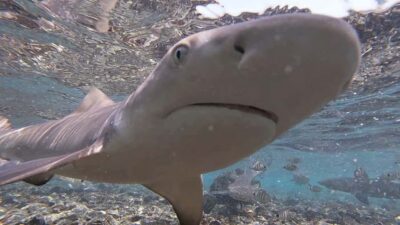 ★ 4.7Sal Island: Shark Bay Experience from Santa MariaFrom $35345 reviews
 ★ 4.8Sal Island: 2-Hour Buggy Desert AdventureFrom $170328 reviews
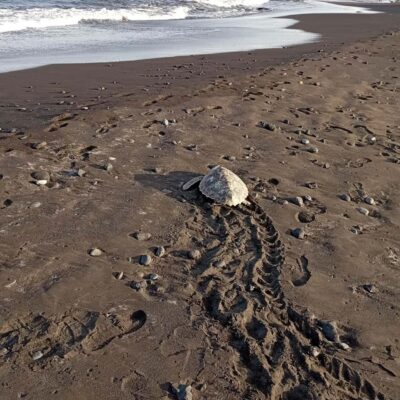 ★ 4.5Santa Maria: Sal Island Sea Turtle Watching ExperienceFrom $37256 reviews
Browse the lists this tour appears in