
REVIEW · SANTO ANTãO DAY TRIPS
Ribeira Grande: Hiking Day Trip to Ribeira de Torre
Ribeira de Torre makes Cape Verde feel wonderfully lived-in. This day trip pairs a serious mountain hike with real rural villages, sugar cane and fruit trees, and a stop at the Grogue rum distillery. I love the payoff views into the valley and the chance to swim in a natural pool, and I also like how the route mixes scenery with local farming. The only real drawback is that the trail can feel exposed, so if you’re afraid of heights, this is not for you.
You’ll start with pickup from Ribeira Grande, then climb from high ground at Faja da Cima toward hamlets and terraces built around steep slopes. Plan for a 4 hour nature hike inside a total 6 hour outing, and bring sensible shoes because you are walking on mountain paths, not city sidewalks. If that sounds like your idea of a great day, you’re going to have fun.
In This Review
- Quick hits before you go
- Ribeira de Torre: why this hike feels like real Santo Antão
- Price and what you actually get for $100
- The day’s flow: pickup in Ribeira Grande to the trailhead at Faja da Cima
- Climbing to Rabo Curto: flora, slopes, and why the first hour matters
- Lombo de Pedra and the village rhythm: small houses, terraces, and crop talk
- Crossing hills into Ribeira de Torre valley: the viewpoint shift you feel
- Chu Chu (Xoxo) and the waterfall stop: views first, then the natural pool
- On the descent: banana and coffee plantations you can recognize at a glance
- Grogue rum distillery: learning why the season matters
- What the hike is like: timing, effort, and how to stay safe
- Guide quality: conversations that make the route easier to understand
- Who should book this day trip, and who should pick something else
- Should you book Ribeira Grande Hiking Day Trip to Ribeira de Torre?
- FAQ
- How long is the Ribeira Grande hike to Ribeira de Torre?
- Is hotel pickup and drop-off included?
- What is included in the tour price?
- Are food and drinks included?
- What should I bring for the hike?
- Is this tour suitable for children or mobility needs?
Quick hits before you go
- Ribeira de Torre valley views that you feel in your legs and remember in your photos
- Village walking through places like Chu Chu (Xoxo) and Lombo de Pedra
- Waterfall and a natural pool where you can cool off and join locals in the water
- Agriculture along the way, including sugar cane, fruit trees, banana, and coffee plantations
- A rum stop with Grogue, tied to local crops and the production season
Ribeira de Torre: why this hike feels like real Santo Antão
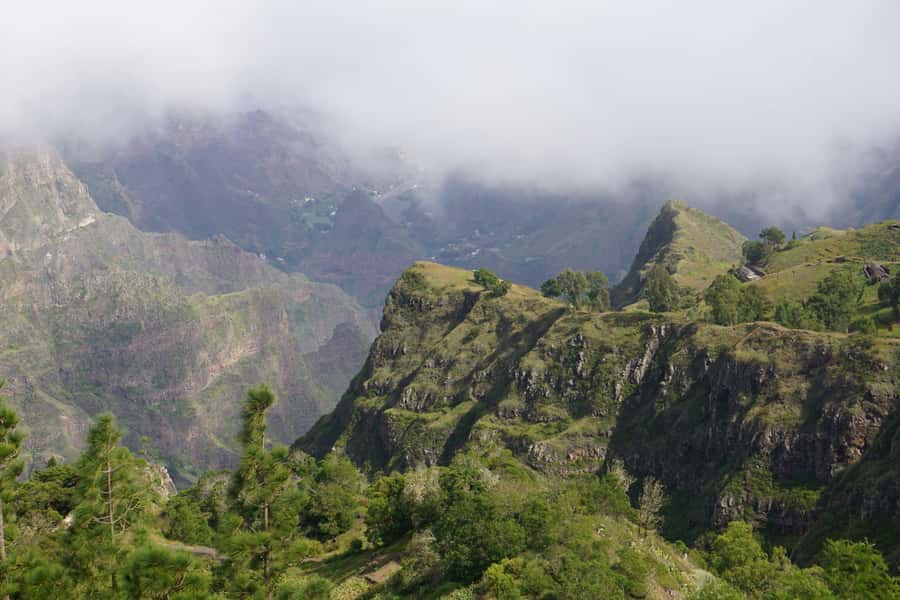
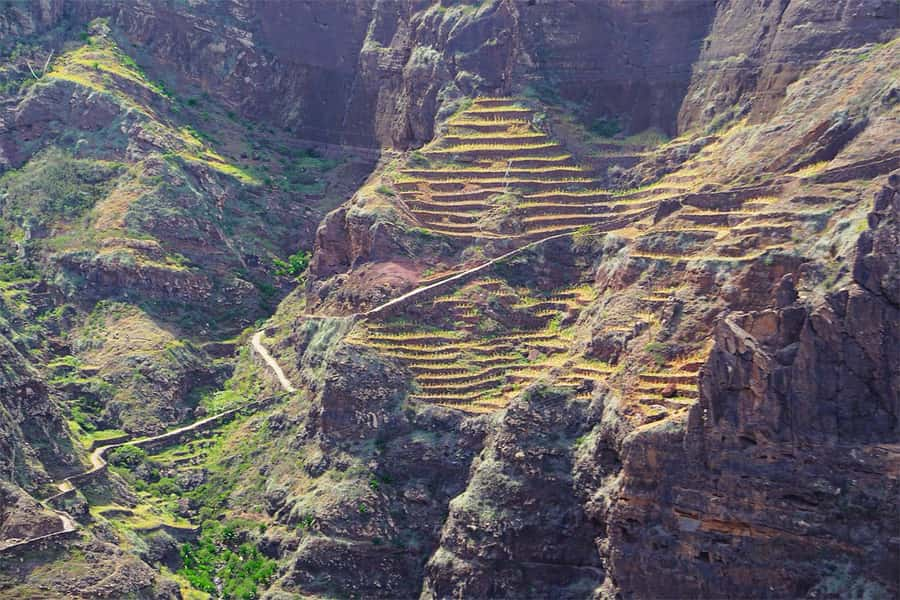
Santo Antão has a reputation for dramatic terrain, but this hike is more than scenery. The Ribeira de Torre valley is worked land, carved into layers of terraces and small houses that cling to the slopes. Instead of just looking down from a viewpoint, you walk through the same kind of route locals use to reach farms, water, and villages.
What I like most is the mix of “big views” and “small details.” One moment you’re looking across the valley toward mountains and unusual rock forms. The next moment you’re seeing how crops grow in tight bands on steep ground, and you can picture the daily work that keeps the system going.
Price and what you actually get for $100
At $100 per person for about 6 hours, this tour is priced like an active day with real logistics built in. You get hotel pickup and drop-off from Ribeira Grande, a guide who speaks English, French, Portuguese, or Spanish, and liability insurance. You also get a 4 hour hiking window, which matters because it turns the day from a quick sightseeing drive into actual walking time.
Food and drinks are not included, so budget for water and any snacks you plan to carry. That’s also why the “what to bring” list matters. You’re going to be outside, and you’ll want your own plan for hydration and comfort, especially with the warm sun that can hit the mountains.
If you compare this to renting a car and figuring out a route on your own, the value is the guidance. Your guide helps you move between villages, explains what you’re seeing, and keeps the day flowing from trailhead to valley stops to the rum distillery.
The day’s flow: pickup in Ribeira Grande to the trailhead at Faja da Cima
The tour starts with pickup from your accommodation in Ribeira Grande. The pickup time is set so you’re waiting in the hotel lobby about 10 minutes before the scheduled collection. Then you settle in for the drive to the trailhead in Faja da Cima, where you begin at an altitude of 1,480 meters.
That altitude detail is more than trivia. Starting higher means the first stretch feels like you’re transitioning into the valley system. It also sets expectations: you’re not easing into flat ground. You’re moving into a terrain that mixes steep uphill segments with downhill sections later.
During the drive, you’re not just getting transported. You’re setting up for the hike with the guide in control of timing and route. For many people, that is the difference between a tiring day and a satisfying one.
Climbing to Rabo Curto: flora, slopes, and why the first hour matters
After arriving at the trailhead, you hike up the slopes toward Rabo Curto. This is where the tour earns its “nature” label. The path runs through lush natural flora, and the guide’s role is key here because you’re moving through a living environment, not a scenic highway.
One practical tip: start steady. When a hike begins at higher altitude, people often rush the first climb because they want to “get to the views.” The smarter move is to pace yourself early so you’re not cooked by the time you hit the village segments and valley crossings later.
As you go, you’ll also notice the human side of the trail. You’re not just walking through wild terrain. You’ll start seeing cultivated areas and the structure of terraces that make steep farming possible.
Lombo de Pedra and the village rhythm: small houses, terraces, and crop talk
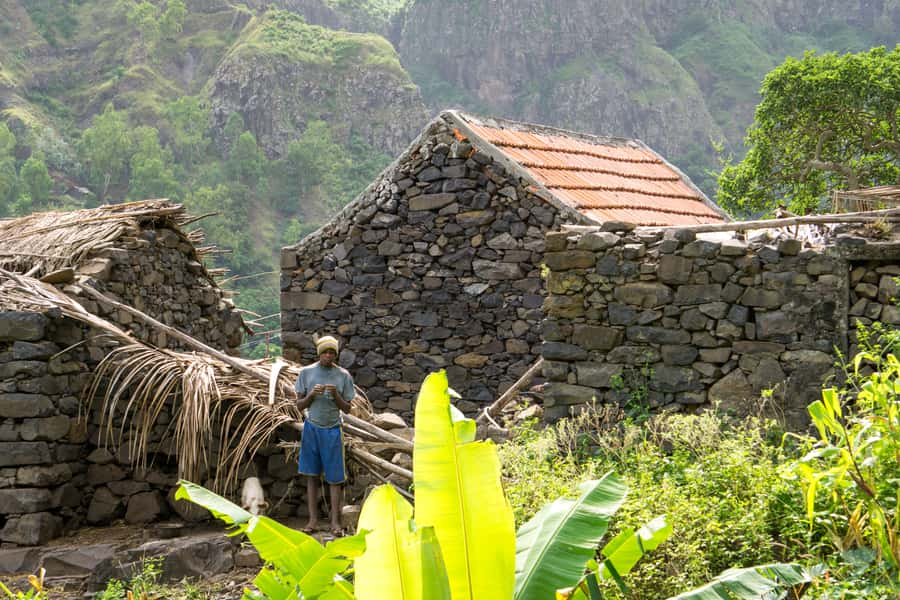
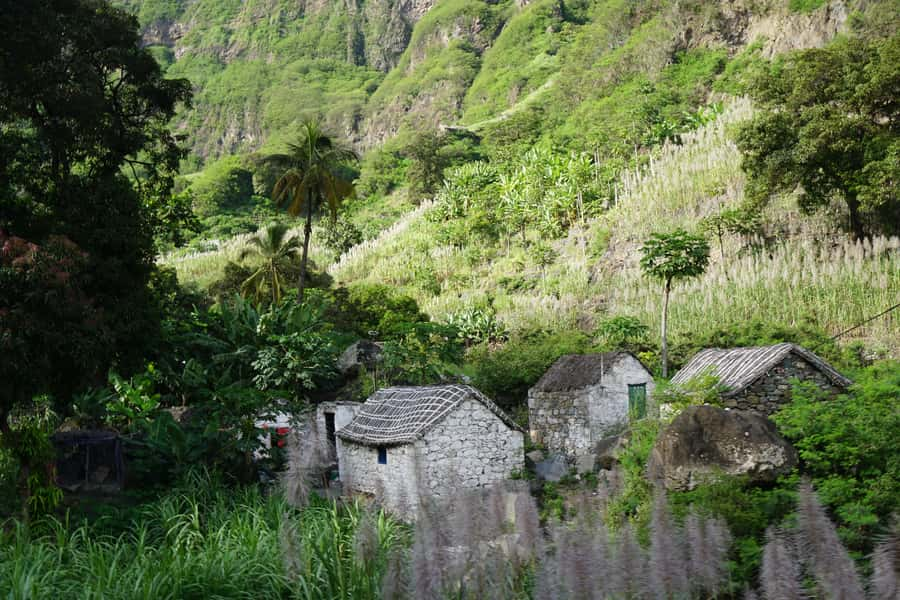
Along the way, you pass through or near the village of Lombo de Pedra. This is one of the sections where the tour becomes more than “walk, take photos, repeat.” You get cultivated agricultural terraces and small houses, which show you how life is organized around the land.
The route keeps pointing you toward crops. You see sugar cane and fruit trees as you walk, and it helps to have a guide explaining what you’re looking at because terraces can look decorative if you don’t know how they function. The terraces are practical. They’re how farming adapts to steep slopes and uneven access to water and sun.
This is also a good moment to use your guide. If you’re the type who likes asking questions, ask here. You’ll get answers you can actually use to interpret what you see later at Chu Chu and in the descending plantation areas.
Crossing hills into Ribeira de Torre valley: the viewpoint shift you feel
Once you cross hills, you reach the Ribeira de Torre valley itself. This part changes your perspective. Instead of climbing toward the next ridge, you’re moving through a landscape with scale, where valley edges, mountain walls, and rock formations create depth.
This is where the photos become less about one dramatic waterfall angle and more about layering. The valley is a stack of elevations, terraces, and paths. Even if you’re not a photographer, you’ll probably feel the “oh wow” moment as the terrain opens up.
Just keep in mind the earlier caution: this is not a gentle stroll. The guide can manage the timing, but the terrain is real, and the heights can be part of the experience.
Chu Chu (Xoxo) and the waterfall stop: views first, then the natural pool
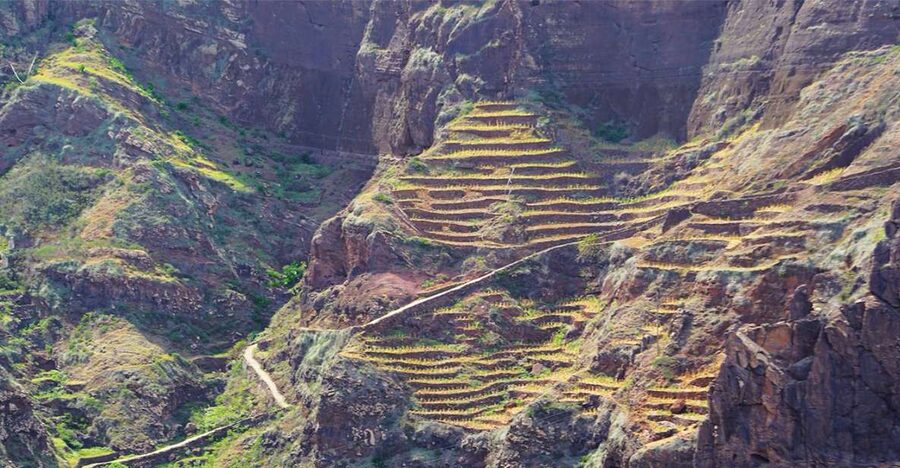
You arrive in Chu Chu (Xoxo), one of the standout village viewpoints on the route, with sweeping looks over the Ribeira de Grande area and the valley. This is a strong photo moment because you’re high enough to read the terrain, and close enough to see how villages sit within the farming patterns.
From there, you pass close to a waterfall. The best part is that you get an option to swim in a natural pool. This is where the tour becomes social, in a good way. You’re not just watching water. You’re cooling off with the landscape around you, and you’ll likely see locals treating the pool as part of daily life.
If you do the swim, treat it like part of the hike, not an extra activity. Watch your footing around the water edge. After you’ve come down a while on mountain paths, the ground near a pool can feel slippery.
On the descent: banana and coffee plantations you can recognize at a glance
When you head back down, you’ll see banana and coffee plantations along the way. This section is satisfying because the crops become more identifiable, and you can start mapping what you already learned earlier about terraces.
There’s something calming about the rhythm of descent. You’re moving toward the end of the day, but you’re still seeing new slices of farming and valley life. This is also a great time to slow down for a few minutes if your legs allow it. Don’t just chase the destination. Let yourself absorb what’s changing around you as altitude drops.
Grogue rum distillery: learning why the season matters
At the end of the route, you visit the local rum distillery called Grogue. This stop ties the day together because it connects what you saw in the fields with how local products reach the market.
You’ll also learn about local rum production, and there’s one seasonal detail you should know. The rum production season runs from January 1st to May 31st. If you’re traveling outside that window, you might not see the same level of production activity, but the tour still gives you the local context and the chance to hear how rum fits into the island economy.
If your travel style includes food, drink, and a behind-the-scenes look at how things are made, this is a meaningful final stop. It turns the hike from a pure nature day into a culture and craft day.
What the hike is like: timing, effort, and how to stay safe
This outing runs for 6 hours total, with about 4 hours of nature hiking. That means you’ll spend a good chunk of the day walking, including uphill and downhill segments. Plan breaks, and don’t rely on momentum when the trail turns steep.
The tour is not recommended if you are afraid of heights. You also shouldn’t expect flat, low-risk footing. You’ll want sturdy hiking shoes because comfortable sneakers might not be enough. And bring water, sunscreen, and a hat, because you’re outdoors for hours and the sun can be strong.
Children under 12 are not suitable, and it’s also not designed for people with mobility impairments or wheelchair users. If you or someone in your group has balance or mobility concerns, take the height and terrain seriously.
Guide quality: conversations that make the route easier to understand
One of the best parts of this tour is the human element. When a guide helps you connect the dots, the day goes from “I saw a valley” to “I understand how the valley is used.” In particular, guides like João are known for an easy chat with locals and for answering questions about the local fauna and flora. Even if your guide is someone else, look for that same style: prompt answers, natural curiosity, and explanations that fit what you see right in front of you.
Also, the tour runs with English, French, Portuguese, or Spanish speaking guides. That means you can actually follow along and not lose the story of the terraces, crops, and rum stop.
Who should book this day trip, and who should pick something else
Book this tour if you want a hands-on Santo Antão day. You like hiking with purpose, not just hiking for exercise. You’re interested in rural life, terraces, and crops, and you want the waterfall and natural pool experience to anchor the day.
Skip it if you hate heights or if you need step-free, low-exposure walking. This route is active and sometimes exposed, and the pool and waterfall areas can add uneven ground.
It also helps if you enjoy talking with locals, even briefly. The day is set up so you’re not isolated in a viewpoint. You’re moving through villages and meeting the rhythms of working landscapes.
Should you book Ribeira Grande Hiking Day Trip to Ribeira de Torre?
If you want the kind of Cape Verde day that mixes hiking, village life, and a real end-of-route payoff, I’d say yes. The price makes sense because you’re getting pickup, a guide, liability insurance, and a full hiking block plus the rum distillery stop. And the highlights are practical, not vague: valley views, a waterfall close-up, an optional swim in a natural pool, and crop-focused storytelling.
But be honest about the heights and the pace. This is a 6 hour outing with a 4 hour hike, not a casual stroll. If you’re comfortable on mountain trails and you’re excited to walk through rural terraces, it’s a strong pick. If you’re not, you’ll probably be happier choosing a gentler option on the island.
FAQ
How long is the Ribeira Grande hike to Ribeira de Torre?
The tour lasts about 6 hours total, including a 4-hour nature hike.
Is hotel pickup and drop-off included?
Yes. You get pickup and drop-off at your accommodation in Ribeira Grande.
What is included in the tour price?
The price includes hotel pickup and drop-off, an English, French, Portuguese, or Spanish-speaking guide, the 4-hour nature hike, and liability insurance.
Are food and drinks included?
No. Food and drinks are not included.
What should I bring for the hike?
Bring a hat, hiking shoes, sunscreen, water, and comfortable clothes.
Is this tour suitable for children or mobility needs?
It is not suitable for children under 12, people with mobility impairments, or wheelchair users. It is also not recommended for people afraid of heights.
Santo Antão Day Trips, compared.
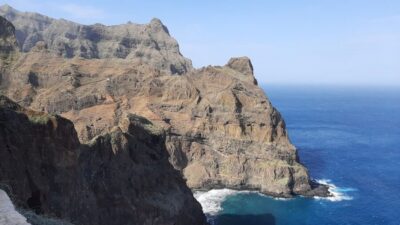 ★ 4.7From São Vicente: Santo Antão Day Trip with Local GuideFrom $147101 reviews
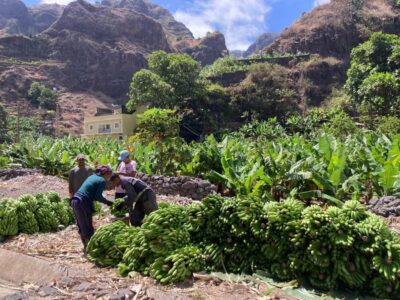 ★ 4.8Santo Antão Highlights: Day Trip by Car with Ferry from SVFrom $13584 reviews
 ★ 5.0Santo Antão: Day Trip by Car or TrekFrom $10472 reviews
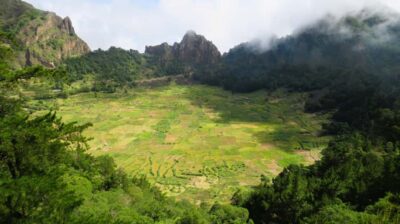 ★ 4.8Santo Antão: Full Day Island Tour & Visit to Cova de PaúlFrom $10654 reviews
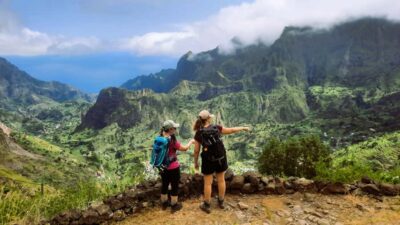 ★ 4.5Santo Antão: Hiking Cova Volcano Crater to Ribeira PaúlFrom $10031 reviews
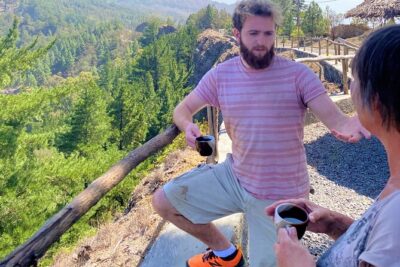 ★ 4.5Full-Day Island Tour in Santo Antão with Lunch IncludedFrom $11814 reviews
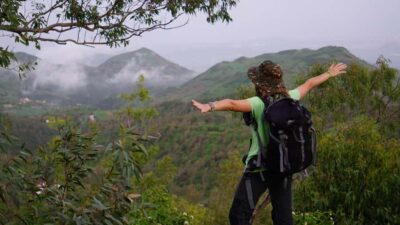 ★ 4.8Santo Antão: Ponta do Sol & Fontainhas Guided Trip with HikeFrom $919 reviews
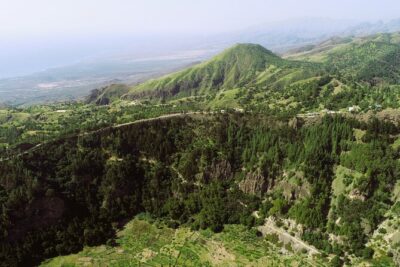 ★ 5.0Santo Antão: Trekking Cova de Paúl Volcano Crater – Ribeira de PaúlFrom $998 reviews
Browse the lists this tour appears in