
REVIEW · TURTLE WATCHING & NESTING
Turtle Watching Adventure
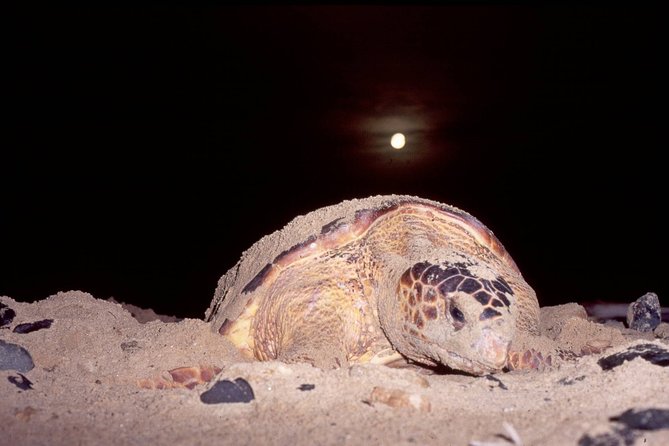
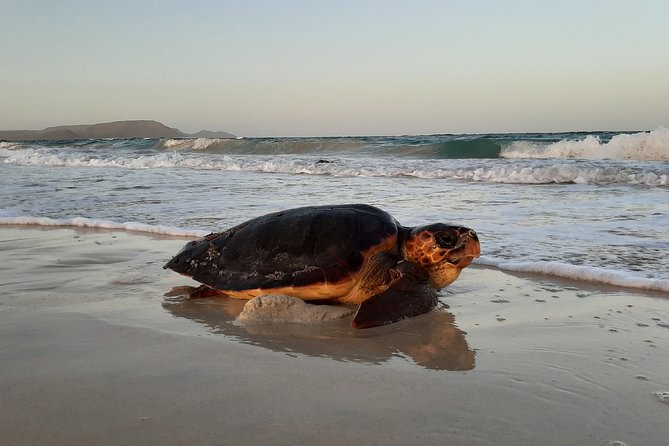
Loggerhead turtle nights in Cape Verde are different from the usual tour. Here you follow your guide into the sand after dark, with red lights and turtle-first rules, to witness sea turtles coming ashore to lay eggs.
I especially like the small-group format (max 10) and the calm pacing, because this is an activity where patience actually pays off. One possible drawback: the nighttime beach walk can feel chilly or windy, and the ride in to the beach may be tight if you’re tall.
In This Review
- Quick takeaways for a turtle night on Sal
- Santa Maria, Sal Island: why a nesting walk is worth the effort
- The 3-hour plan: pickup, tent briefing, then straight to the sand
- The beach walk by red light: how you catch the nesting moment
- What you might see: egg-laying, hatching mentions, and lucky counts
- Guides, group size, and the respect rules that actually matter
- Snacks, bottled water, and the comfort checklist for night on the beach
- Price and value: what $45.36 gets you on Sal Island
- Who should book this turtle watching adventure, and who should skip it
- Should you book Turtle Watching Adventure in Santa Maria?
- FAQ
- FAQ
- Where is this turtle watching adventure located?
- How long is the experience?
- Is pickup available?
- What size is the group?
- Is it private for my group?
- What will I do during the tour?
- What language options are available?
- What do I receive in terms of food and drinks?
- What should I bring for the beach?
- What if weather is poor?
- When will I receive confirmation after booking?
- How does cancellation work?
Quick takeaways for a turtle night on Sal
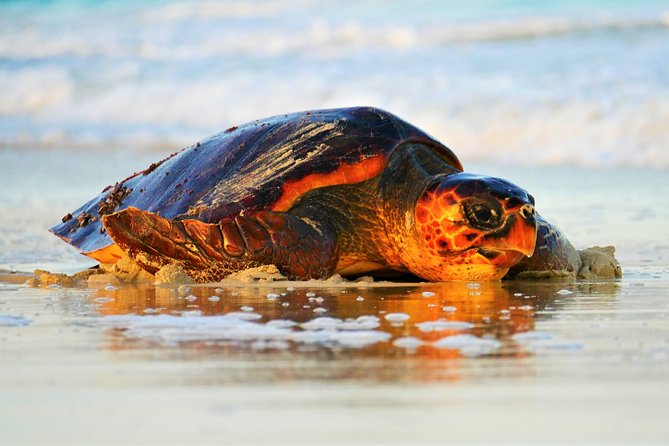
- Glamping open tent briefing: snacks and bottled water while you learn how to approach safely and calmly
- Red-light turtle walk: you wait in the sand until a nesting moment starts, without blasting bright phones
- Private group setup: your experience is restricted to your group, with a cap of 10 people
- Loggerhead sea turtles at nesting time: you’re there for egg-laying, not just a quick look from far away
- Real guide coaching: guides like Marta, Jay, and Kenny are praised for clear instructions and turtle-focused conduct
- Bring bite care: one recurring tip is to pack bite cream for the beach at night
Santa Maria, Sal Island: why a nesting walk is worth the effort
If you’re on Sal Island and you want wildlife that feels real, this turtle watching adventure has the right energy. You’re not rushing from one viewpoint to another. You’re walking the beach under dim lighting and waiting for a natural behavior that simply starts when it’s ready.
The star of the show is loggerhead sea turtles, which come out of the ocean at night to nest. That means you’re aiming for a narrow window, the part of the lifecycle most people never witness. It’s also why the guides emphasize conduct so much. The wrong move can disrupt nesting, and you can feel the whole group working together to keep things calm.
Two things make the experience feel especially meaningful. First, the setting is genuinely night-on-the-beach quiet, the kind that makes stars and breathing space part of the memory. Second, the guides guide you like you’re part of a careful operation, not a crowd chasing photos.
The tradeoff? This is a waiting game. Sometimes you spot turtles right away. Sometimes you wait longer. You’re paying for the chance to be there when it happens, not a guaranteed number.
The 3-hour plan: pickup, tent briefing, then straight to the sand
This outing runs about three hours and typically starts with pickup offered from your area in Santa Maria. Many people find the timing smooth, but it’s worth knowing that at least some guests report the vehicle can be a bit cramped, with limited leg room. If you’re sensitive to tight seats, it’s a small thing you can plan around.
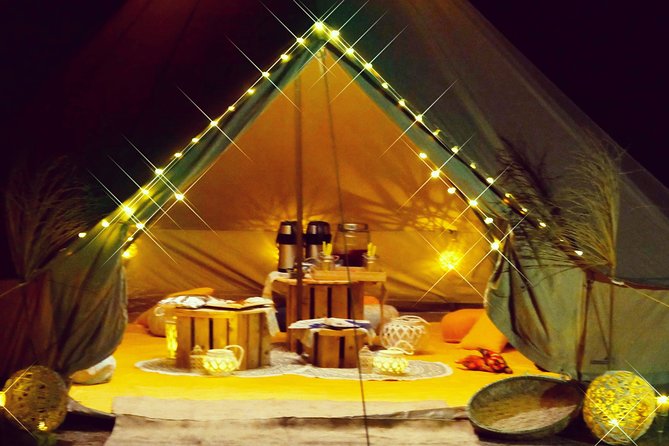
Next, you arrive at an open glamping tent on the beach. This is where the tone gets set. You get an introductory briefing plus drinks and snacks. The practical value here is that you learn what not to do before you ever see a turtle. That matters because turtle watching at nesting time isn’t only about spotting wildlife, it’s about how close and how quietly you move.
Then the turtle walk starts. The group heads along the beach at night under red lights. The point of the red light approach is simple: keep visibility for you while reducing the disturbance turtles would experience from bright illumination.
You’ll also want a moderate physical fitness level. The walk is on sand, and even if the pace is slow, you’ll be standing, moving, and waiting. If you’re comfortable on uneven ground and walking in the dark with a guide, you’re in the right place.
Other turtle nights we have sat out on
- Private Turtle Watching Experience★ 5.0 · 12 reviews
- Turtle Experience in Sal island★ 4.0 · 5 reviews
The beach walk by red light: how you catch the nesting moment
The best turtle nights are the ones where you stop trying to force the moment. You’ll feel that during the walk. Once you reach the waiting area, the guides manage a patient rhythm. Instead of sprinting toward every sound, you stay ready and quiet.
What you’re looking for is the behavior shift: a turtle coming up and beginning to nest. Loggerhead sea turtles come ashore at night, and once they start the egg-laying process, everything slows down. That’s when your group really earns the experience. You wait for the ideal moment to approach, with the goal of observing rather than interfering.
A few practical things help the night go better:
- Follow the guide’s distance and timing instructions, even if your instinct says to get closer for photos.
- Keep your light discipline. Red lighting is part of the plan, and bright flashes ruin the mood for turtles fast.
- Expect some waiting time. If the beach has multiple nesting spots, you may also see other groups in the area, but your own experience stays focused on your guide and your group.
If you’ve ever watched animals on a schedule, this is the opposite. The turtle sets the pace. Your job is to be ready, quiet, and respectful.
What you might see: egg-laying, hatching mentions, and lucky counts
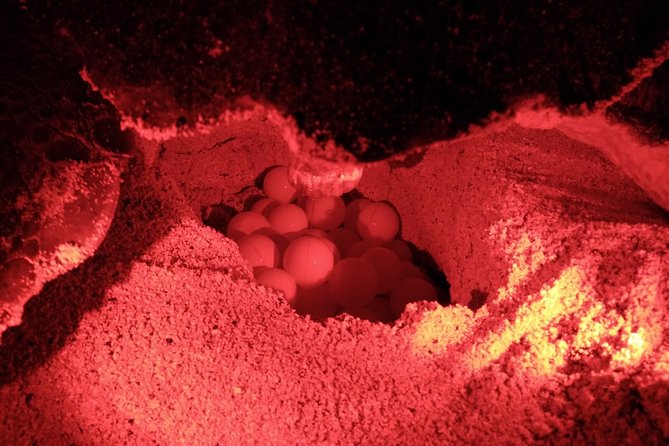
The core promise is clear: you come specifically to witness loggerhead sea turtles laying eggs on their natural nesting habitat. That is the headline moment.
From the way the experience is described and the feedback shared, here’s what you can realistically plan for:
- You’ll likely see turtles come up from the ocean at night.
- You should see the nesting behavior itself, which is the egg-laying phase.
- You’ll be guided to approach only when it’s appropriate and when the turtle is already in the process.
One review mentions additional moments like hatching and a hands-on release of small turtles. That type of detail might not happen every night or with every group, so treat it as a possible extra rather than the main expectation. Your best bet is to think of this as a nesting observation tour, not a guaranteed hatch-and-release show.
As for how many turtles you might encounter, you can get lucky. There are reports of seeing multiple turtles in a single outing, including higher counts on some nights. I’d treat that as a bonus, not a guarantee.
Guides, group size, and the respect rules that actually matter
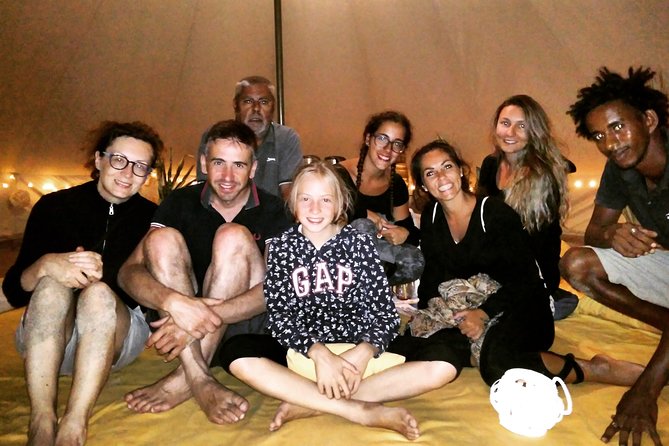
The strongest praise across the experience is about the guides and the way they protect the turtles. Names that come up often include Marta, Jay, and Kenny. People describe them as communicative, focused on correct conduct, and skilled at helping the group witness what’s happening without creating stress on the animals.
The guide approach matters for two reasons.
First, turtle behavior changes fast. If someone makes a mistake, the turtle may pause or leave. The red-light rule, the quiet approach, and the timing of when to move are designed to keep nesting uninterrupted.
Second, group control is not a small detail. One guest shared a concern about disruptive behavior from another participant, like phone lights and noise, which highlights why the guides need to enforce the rules. You can help by doing what the guides ask immediately, with no debate in the moment.
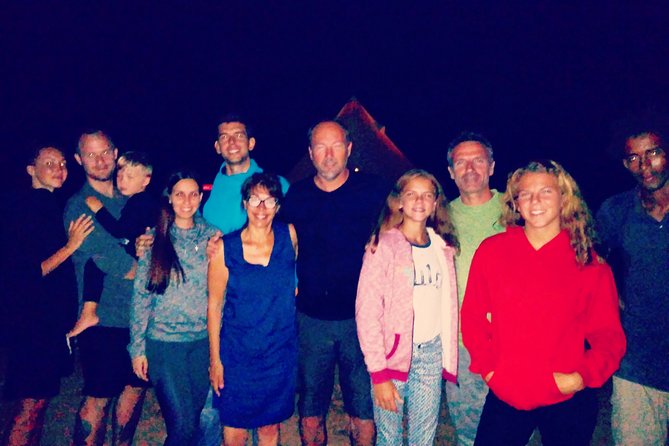
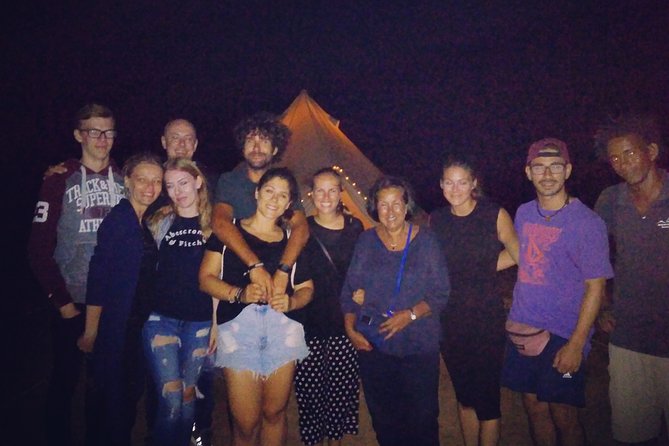
Your group size is capped at 10 people, and the tour is described as private for your group. That smaller size is a big deal for turtle watching. It’s easier to manage quietly, and you’re less likely to have constant movement in your peripheral vision.
Snacks, bottled water, and the comfort checklist for night on the beach
You won’t show up starving. Drinks and snacks are part of the experience, and bottled water is provided. The tent setup gives you a chance to settle before the beach walk, which is a real benefit when you’re heading into darkness for a long wait.
That said, snack quality can be uneven. One review calls out snacks as a bit limited, while other guests were happy with the provided refreshments. If snacks are a big deal for you, consider bringing a small extra snack of your own, something easy to eat quietly, just in case.
Comfort is more consistent than food. Two practical points from the feedback:
- If you’re sensitive to bites, bring bite cream. One guest specifically recommended it after the tour.
- Plan for wind or cool night air on the beach, even if the overall evening feels pleasant. One guest noted the night walk was still enjoyable despite wind.
And for most people, the biggest comfort factor is attitude: expect a calm pace and lean into waiting. If you’re looking for constant action, you may feel restless.


Price and value: what $45.36 gets you on Sal Island
At $45.36 per person, this turtle watching trip sits in the category of “small price, big moment,” as long as you want the kind of wildlife experience that doesn’t rely on crowds and gimmicks.
Here’s how the value shakes out:
- Duration is about three hours, so you’re not spending your evening on a long transfer-heavy day.
- You get pickup offered, plus the tent briefing with drinks and snacks.
- The group limit (max 10) and private group focus mean more controlled conditions than you’ll find in large-scale tours.
- The main draw is high-value nature time, loggerhead nesting behavior, which is rare and time-sensitive.
Could the experience be affected by weather? Yes. This is explicitly described as requiring good weather. When conditions are off, the operator may shift dates or refund you, which protects your money but also means you’re planning around conditions.
Also worth mentioning: this kind of outing is often booked in advance. The average booking time is around 30 days, so if you’re aiming for a specific week in Santa Maria, don’t wait until the last minute.
Who should book this turtle watching adventure, and who should skip it
This tour fits best if you:
- Love wildlife and want behavior you can’t easily replicate with a daytime photo stop
- Enjoy patient, calm experiences more than fast-paced sightseeing
- Are okay with a slow nighttime beach walk and moderate physical effort
- Want a guide-led, turtle-first approach, with rules that protect the nesting moment
You might skip it if you:
- Want guaranteed action or guaranteed close-up views at a specific moment
- Are uncomfortable walking on sand at night
- Need a specific language with no flexibility. The experience is offered in multiple languages, and guides may confirm the best fit at the start. If Spanish is your top choice, you should confirm what will be used for your group before you commit.
Should you book Turtle Watching Adventure in Santa Maria?
I think you should book if your trip includes Sal Island and you care about doing one authentic nature activity at night. The combination of red-light discipline, a small group, and a guide-led nesting focus is exactly what makes turtle watching feel respectful and real.
If you’re the kind of traveler who appreciates quiet moments and can handle waiting in the dark, this is a great fit. Bring bite cream. Dress for night beach air. Then trust the guide’s timing, because with nesting turtles, patience is the whole point.
FAQ
FAQ
Where is this turtle watching adventure located?
It takes place in Santa Maria on Sal Island, Cape Verde.
How long is the experience?
The duration is about 3 hours.
Is pickup available?
Pickup is offered.
What size is the group?
The tour runs with small groups, up to a maximum of 10 people.
Is it private for my group?
Yes, it’s described as a private tour, restricted to your group.
What will I do during the tour?
You’ll have a briefing in an open glamping tent with drinks and snacks, then you’ll walk along the beach at night with red lights while waiting for loggerhead sea turtles to nest and lay their eggs.
What language options are available?
The experience is offered in multiple languages, and guides include Spanish, English, and Portuguese.
What do I receive in terms of food and drinks?
Snacks and bottled water are provided, along with drinks during the briefing.
What should I bring for the beach?
The tour data and feedback suggest bringing bite cream, since bites can happen at night on the beach.
What if weather is poor?
The experience requires good weather. If it’s canceled due to poor weather, you’ll be offered a different date or a full refund.
When will I receive confirmation after booking?
Confirmation is received within 48 hours of booking, subject to availability.
How does cancellation work?
You can cancel for a full refund up to 24 hours before the experience’s start time. If you cancel less than 24 hours before, the amount paid is not refunded.
All Our Cape Verde Reviews




Turtle Watching, Other Nights


More Cape Verde tours from the same review pile
- Sal Island All-inclusive Adults-only Catamaran Cruise
★ 5.0 · 3 reviews - 4×4 Off Road Full-Day Private Tour – Sal Island Hidden Secrets
★ 5.0 · 3 reviews - Sal Island: Full-day Private Experience with Local Guide
★ 4.5 · 4 reviews - Turtle Experience in Sal island
★ 4.0 · 5 reviews - Sal Island: Guided Full-Day Highlights Tour with Lunch
★ 5.0 · 5 reviews - Full Day Postcards of Sal Tour with Kite Beach and Local Lunch
★ 3.5 · 5 reviews
Turtle Watching & Nesting, compared.
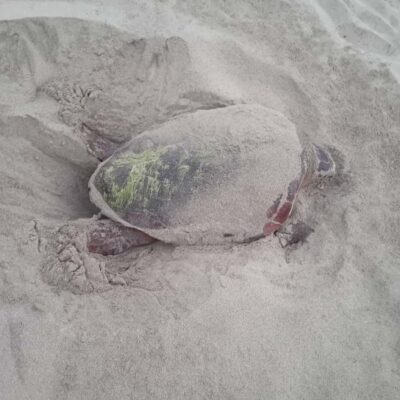 ★ 4.6Santa Maria: Sea Turtle Watching Experience on Sal IslandFrom $41446 reviews
 ★ 4.8Boa Vista: Shark, Turtles, Cave, Sandboarding & Tasting TourFrom $70328 reviews
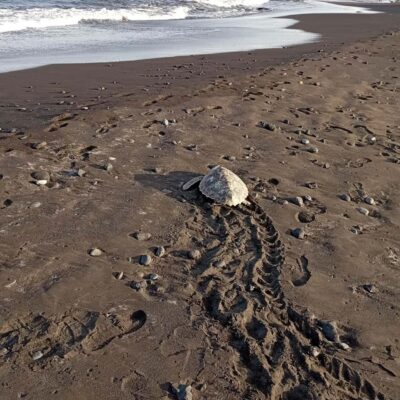 ★ 4.5Santa Maria: Sal Island Sea Turtle Watching ExperienceFrom $37256 reviews
 ★ 4.7Boavista: Turtle, Shark, Santa Monica, Sandboard & TastingFrom $76228 reviews
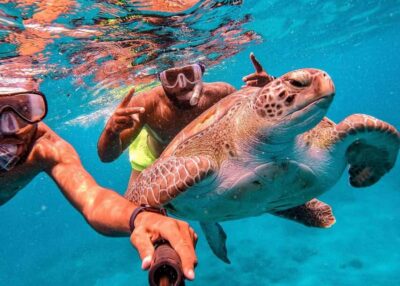 ★ 4.4From Mindelo: São Vicente’s Enchanting Sea Turtle SnorkelingFrom $70153 reviews
 ★ 4.5São Vicente: Snorkel with Sea Turtles AdventureFrom $70111 reviews
 ★ 4.6Boa Vista: Beautiful Beaches, Turtles & Djeu Island SnorkelFrom $100100 reviews
 ★ 5.0Guided turtle tour in a group in Boa VistaFrom $10467 reviews
Browse the lists this tour appears in