
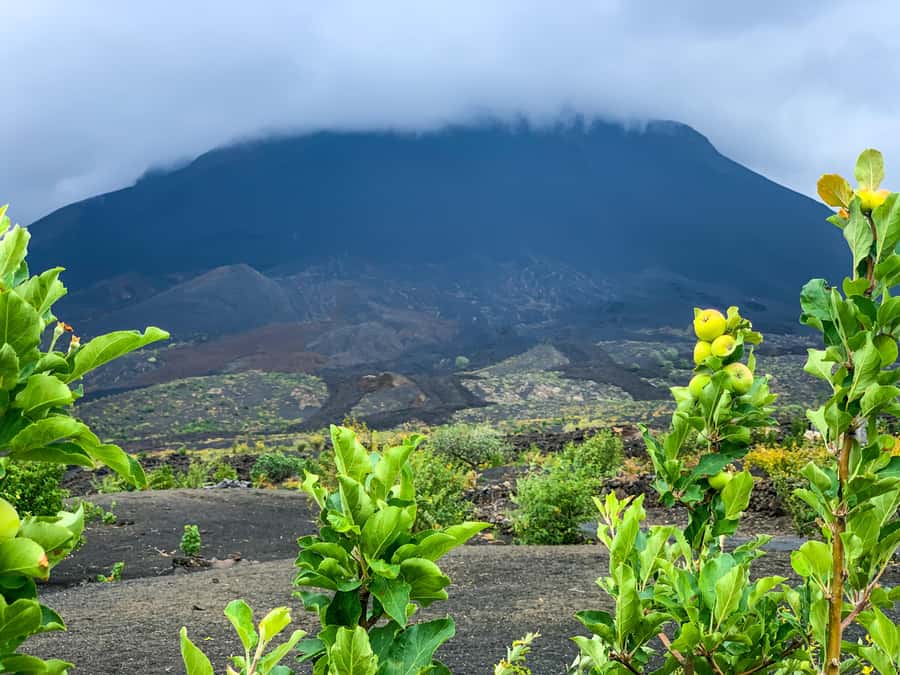
REVIEW · FOGO VOLCANO & SãO FILIPE
Fogo Island: Pico do Fogo Volcano Summit Hike
Pico do Fogo feels like the edge of Earth. This guided climb to Pico do Fogo summit (Cape Verde’s highest point, 2829 meters) is the kind of day that turns a faraway volcano into something you can see, smell, and walk on, with guides like Nezito bringing it to life. I love the 360-degree panorama and the hands-on feel of the climb and descent, especially the running slide through lava ash. One consideration: the hike is demanding and the activity is not suitable for people with mobility impairments.
What I also like is that your guide sets the pace, with regular short breaks and an emphasis on safety, as shown by guides such as Junior. You will want to plan for heat, uneven volcanic ground, and changing visibility, since clouds can block the horizon even when the summit is clear.
In This Review
- Key highlights at a glance
- Why Pico do Fogo feels different from a normal hike
- Price and time: what $51 gets you (and why it feels fair)
- How the day starts: pickup and the drive to the volcano
- The ascent plan: pacing, breaks, and a 3 to 4 hour climb
- Reaching 2829 meters: summit views and eruption context
- The descent through lava ash to Chã das Caldeiras
- What to bring: water, boots, and smart comfort choices
- Guide quality and language support: what you should look for
- Weather and visibility: how clouds can change your summit
- Is Pico do Fogo worth it for you?
- Should you book this hike?
- FAQ
- How long does the Pico do Fogo summit hike last?
- Where does the hike take place?
- What is the summit height?
- Is hotel pickup and drop-off included?
- What is included in the price?
- Is a picnic and water included?
- What languages are available for the guide?
- What group types are available?
- Is this hike suitable for people with mobility impairments?
Key highlights at a glance
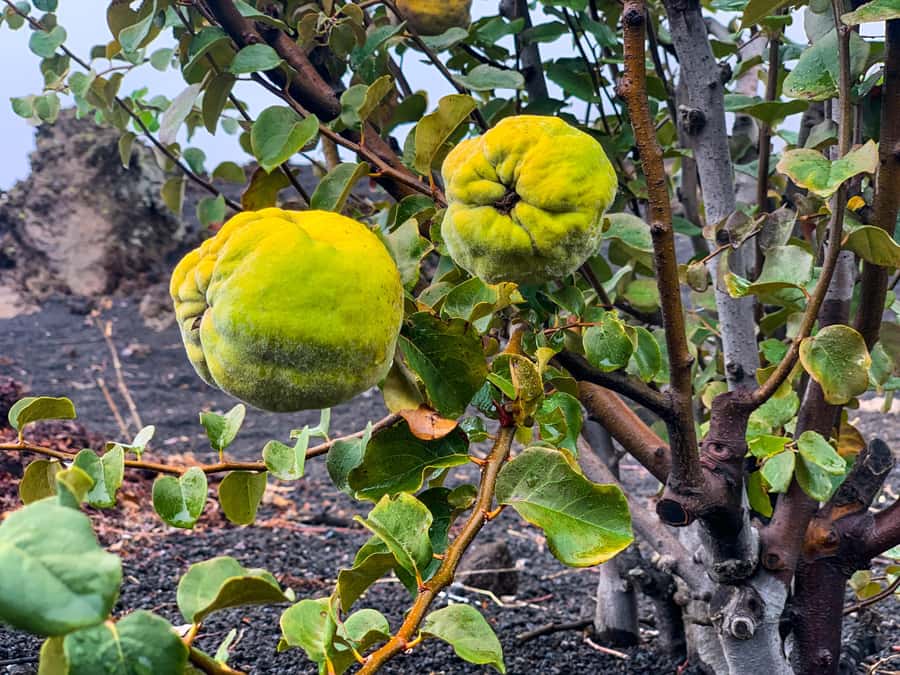
- Summit at 2829 meters: Cape Verde’s highest peak, with big Atlantic views
- A real active-volcano setting: you learn how eruptions shaped the island
- Lava-ash descent toward Chã das Caldeiras: a fast, fun run down volcanic sand
- 3 to 4 hour climb to the top: guided pacing based on your skills
- Small-group vibe with multi-language support: English, French, Portuguese, Spanish
Why Pico do Fogo feels different from a normal hike
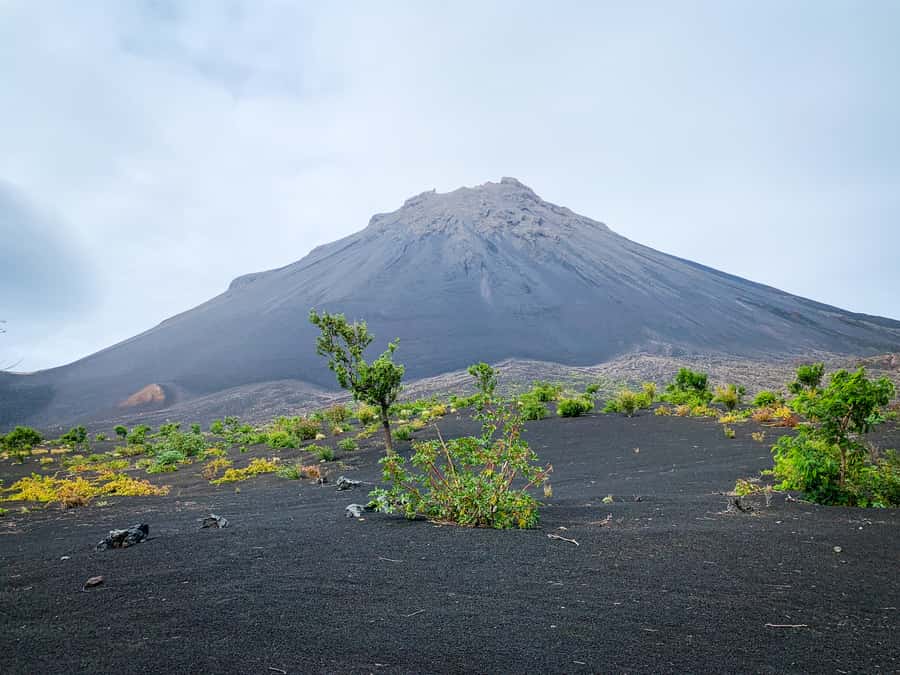
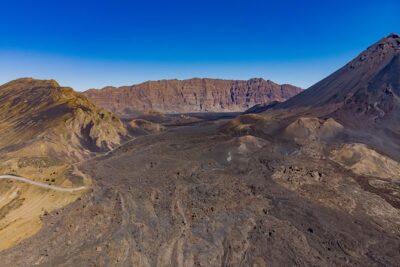
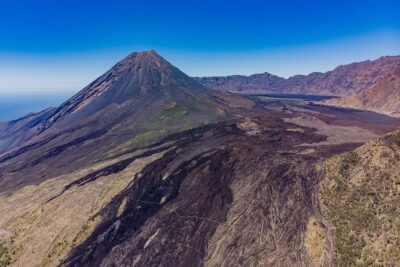
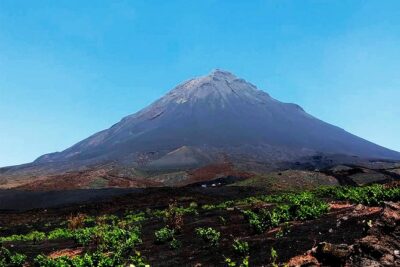
If you want a hike that feels more like stepping into a living geography lesson, Pico do Fogo delivers. You’re climbing the highest point in Cape Verde, and the ground underfoot is volcanic, not park-trail tidy. The summit experience is built around 360-degree panoramic views, so you get to look out at the whole island from above the clouds when conditions cooperate.
What makes it especially compelling is that you are not just hiking to a viewpoint. You are walking in the shadow of an active volcano and getting context from your guide about what eruptions did to the island and its communities. That connection makes the day feel purposeful, not just athletic.
And then there is the part you will talk about afterward. The descent toward Chã das Caldeiras runs through lava ash, with enough softness that it turns into a sliding, running experience for those who are up for it. In other words, you get both the altitude work and the volcanic-sandbox fun.
Price and time: what $51 gets you (and why it feels fair)
At about $51 per person for a 6 to 7 hour outing, the value comes from what’s included. You get hotel pickup and drop-off, plus a local guide. That matters on Fogo Island because the day starts with driving to the volcano area and ends with you back at your accommodation, no logistics puzzle to solve.
You also get guided pacing during the ascent. This is not a hike where you are left to guess your rate or your route choices. Your guide adjusts the climbing speed to your skills, which is a big deal when the terrain is loose and steep. You are paying for a smoother day, plus safety thinking.
What’s not included is also important. Your picnic and water cost extra, so you will want to budget for that and plan your hydration. Guides can handle the route, but you still need to show up with the right gear and enough water for your body.
Free cancellation up to 24 hours in advance and reserve now, pay later options can also make the price feel less risky if weather changes your comfort level.
Fogo, the crater and Sao Filipe below it
- 1. A day on FOGO Island to discover VOLCAN★ 5.0 · 17 reviews
- Sao Filipe: Coffee Plantation and Natural Pools Day Trip★ 4.1 · 6 reviews
- 2. Nature, History of FOGO and relaxation at the natural pool of Salinas★ 4.0 · 4 reviews
How the day starts: pickup and the drive to the volcano
The day kicks off with pickup from your accommodation. You should be ready in the lobby about 10 minutes before your scheduled time. From there, you head toward the volcano with a local guide, and the drive itself often comes with island context.
This matters more than it sounds. When you understand what Chã das Caldeiras is, what the lava fields mean, and why the island looks the way it does, the hike becomes easier to track mentally. It feels less like you are following a leader and more like you are moving through a place with reasons.
Your guide brings the day’s plan into focus as you approach the climbing zone, and the pacing rules are clear from the start: they will adjust your rate based on your skills, and the climb is structured around manageable effort.
The ascent plan: pacing, breaks, and a 3 to 4 hour climb
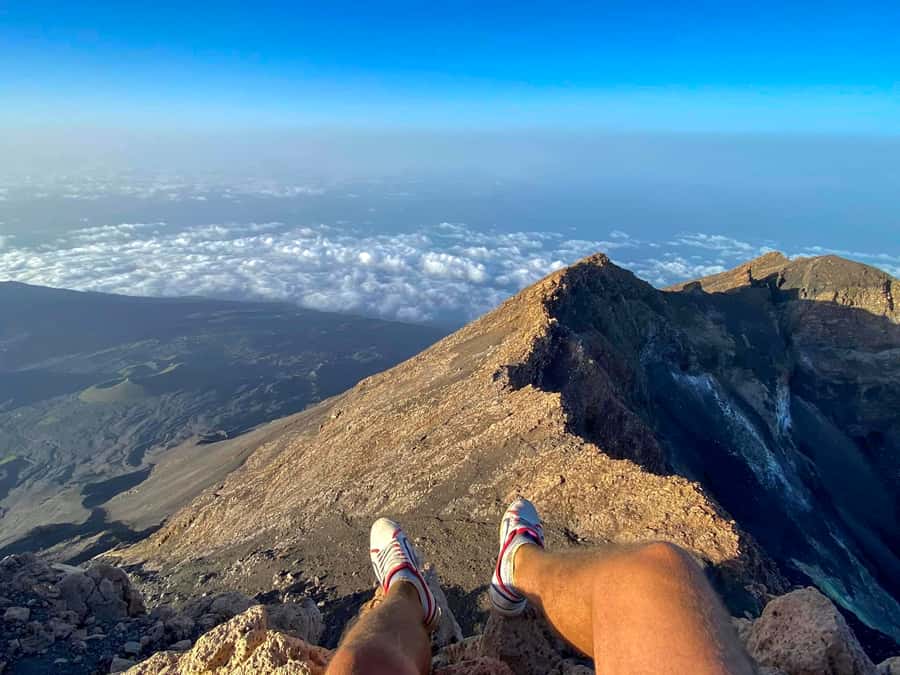
The climb to the summit takes about 3 to 4 hours, depending on the group and conditions. The key detail is that your guide matches your pace. That does two things: it helps prevent that early “burn out” feeling, and it makes it easier to enjoy the volcanic scenery instead of just surviving it.
The terrain is volcanic, so expect uneven footing and loose ground. Reviews highlight that the best guides keep short breaks and check in to make sure you are okay. That’s exactly what you want on a steep hike, especially if you are not an every-day hill climber.
If you are fit and want more challenge, there may be an extra route option for better views, sometimes described as a route with steel cables. This kind of choice is not for everyone, but it can add a memorable element if you’re comfortable with exposed sections and you want sharper perspective.
Reaching 2829 meters: summit views and eruption context
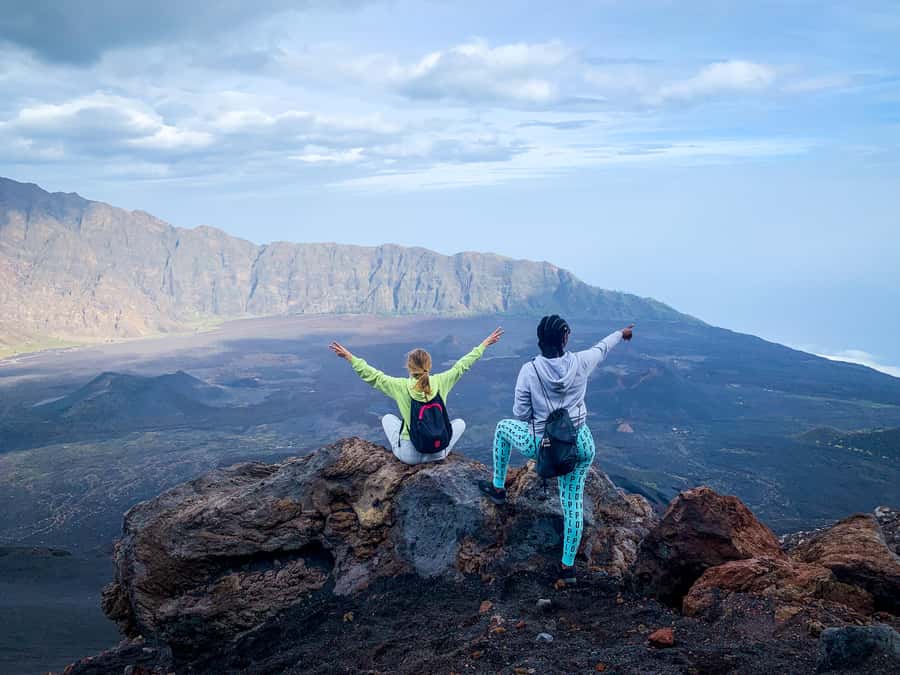
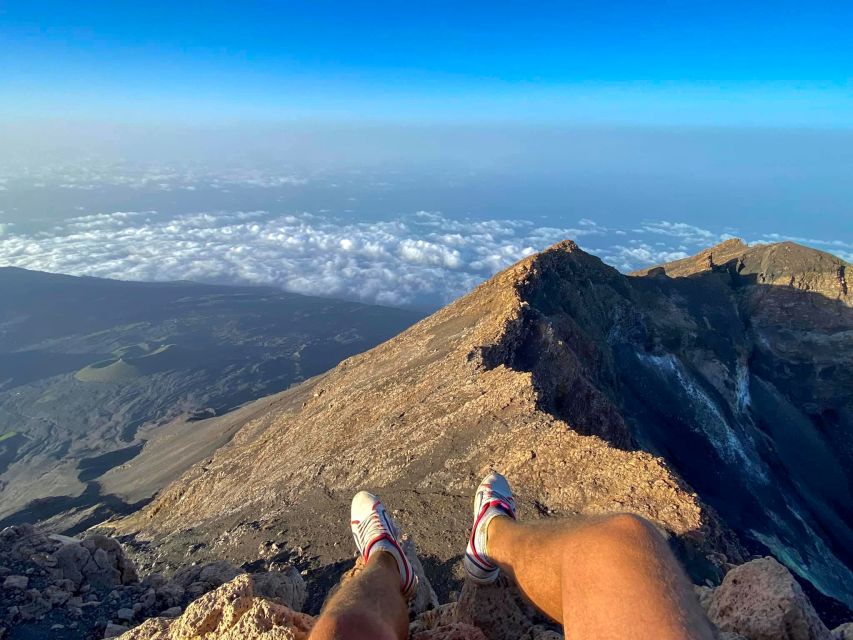
Once you hit the summit, the climb clicks into reward mode. Pico do Fogo’s height puts you into that rare vantage where you can see the shape of the island as a whole, not just what’s in front of you. From the top, you get unforgettable 360-degree panoramic views of Fogo Island.
Weather plays a role. If visibility is good, you have a chance to spot other islands from the summit. If clouds sit lower than the peak, you may get the “ocean of cloud” effect, or the horizon might be cut off. Either way, you’ll still see the volcanic textures that make the place feel otherworldly.
At the summit, you also get the story behind what you are seeing. Your guide explains the eruption that covered a city with lava, and the way volcanic activity has left visible traces across the island. That explanation turns random rocks and ash into evidence. You start noticing patterns in the terrain and realizing the island is constantly rewriting itself.
Then comes a break. Most groups take time to rest, absorb the views, and refuel before the descent. There is also time for a picnic, but remember: the picnic itself is not included, so you will either purchase it or plan your own snack strategy.
The descent through lava ash to Chã das Caldeiras
This is the part that people remember with big smiles. The descent runs toward Chã das Caldeiras, and it includes moving through lava ash. Instead of feeling like a standard “go back the way you came,” it becomes a sliding, running experience for those who are comfortable with it.
You should expect loose volcanic sand and a slope where your feet can move more than you expect. That’s why the guide matters. A good guide handles the rhythm, keeps people together, and helps you time your steps so the fun does not turn into chaos.
One highlight is the sensory feel of the descent. You can often see your feet moving through the ash, and you get views of the lava fields, the village, the caldera area, and the ocean as the angle changes. If you enjoy motion, this can feel like skiing without the skis. If you are cautious, you can still do it at a steady, controlled pace.
This is also where you learn more about the volcanic features around you. The village and the caldera become part of the story, not just background scenery. The day ends with a sense that you have traveled from the top of the mountain down into the island’s volcanic bowl.
What to bring: water, boots, and smart comfort choices
Because water and the picnic are not included, you should treat hydration as your responsibility. I recommend bringing water you can handle comfortably, plus snacks if you know you get hungry on hikes.
Footwear matters. Volcanic ash and loose ground can be slick or unstable depending on conditions. Hiking boots or sturdy shoes help with grip and confidence. If you wear something that’s fine for city sidewalks, you will probably regret it here.
Clothing should reflect early morning start potential and changing conditions at altitude. You may start cool, then warm up fast during the climb. If clouds roll in, it can feel colder at the top, so layers can help.
If you plan to take on the faster descent style, keep it realistic. Your balance and comfort come first. The goal is to enjoy the run, not to race your knees down a slope.
Guide quality and language support: what you should look for
This tour is guided, and the guidance quality is a major part of the value. Reviews specifically praise guides who take a steady pace, give regular short breaks, and create a sense of safety. Names you may hear include Nezito and Junior, and both represent the general theme: calm leadership and real volcanic knowledge.
Language support is also a big practical win. The guide can work in English, French, Portuguese, and Spanish, and small groups can be multilingual. In one example, a guide reportedly delivered information across English and French so everyone stayed included. That means you do not have to rely on your own grit to understand what you’re seeing.
If you’re someone who likes explanations, this is one of those hikes where the story makes the scenery easier to interpret. Even if you are just there for the views, the guide’s route choices and pacing will keep the experience smooth.
Weather and visibility: how clouds can change your summit
Clouds are part of the Fogo experience. Sometimes the horizon looks crystal clear, and you can potentially see other islands. Other times, clouds form lower down, and the summit view is more about the volcanic bowl and cloud layers than far-off land.
You should not cancel the hike just because clouds exist. Instead, plan to treat visibility as variable, then focus on what does not change: the summit height, the volcanic terrain, and the descent toward Chã das Caldeiras. Even when the horizon is reduced, the texture and scale of the landscape are still a major payoff.
If you are a photographer, keep expectations flexible. Bring a lens that works for both wide shots and tighter volcanic details, because conditions can shift hour by hour.
Is Pico do Fogo worth it for you?
I’d book this if you want a hike that checks three boxes: big summit views, active-volcano context, and a descent that turns into real action. It’s also a strong option if you appreciate guides who adjust pacing and keep you comfortable on uneven ground.
I would think twice if you dislike steep climbs, have balance concerns on loose surfaces, or you need accessibility support. This activity is not suitable for people with mobility impairments, and the terrain is not built for wheelchairs or limited-walking assistance.
It also helps if you’re willing to plan for a snack and water approach since those are not included. Price-wise, $51 is reasonable for a full half-day guided outing with pickup and drop-off, but only if you show up prepared.
Should you book this hike?
Book it if you’re excited by volcano scenery and want a summit day that feels real, not staged. Bring boots, plan for water and a picnic purchase, and show up ready to move for 6 to 7 hours. If you want a calm stroll, this is not that kind of hike. If you want a guided volcanic adventure with a memorable lava-ash descent, it’s a very solid pick.
FAQ
How long does the Pico do Fogo summit hike last?
The activity lasts about 6 to 7 hours.
Where does the hike take place?
It runs from Santa Catarina do Fogo on Fogo Island, Cape Verde, up to Pico do Fogo.
What is the summit height?
The summit reaches 2829 meters, the highest point in Cape Verde.
Is hotel pickup and drop-off included?
Yes. Hotel pickup and drop-off are included. You should wait in the lobby about 10 minutes before your scheduled pickup time.
What is included in the price?
The price includes hotel pickup and drop-off and a local guide.
Is a picnic and water included?
No. Picnic and water are not included.
What languages are available for the guide?
The live guide is available in English, French, Portuguese, and Spanish.
What group types are available?
You can choose private or small groups.
Is this hike suitable for people with mobility impairments?
No. It is not suitable for people with mobility impairments.
All Our Cape Verde Reviews
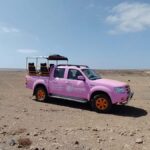
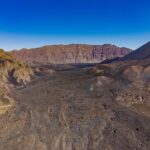
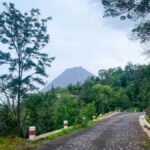
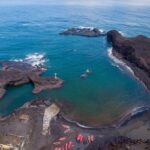
Fogo Volcano and Sao Filipe
More Cape Verde tours from the same review pile
- 2. Nature, History of FOGO and relaxation at the natural pool of Salinas
★ 4.0 · 4 reviews - Sao Filipe: Coffee Plantation and Natural Pools Day Trip
★ 4.1 · 6 reviews - 1. A day on FOGO Island to discover VOLCAN
★ 5.0 · 17 reviews - Sal: Island tour with offroad touch and creative pictures
★ 5.0 · 34 reviews
Fogo Volcano & São Filipe, compared.
 ★ 5.01. A day on FOGO Island to discover VOLCANFrom $7817 reviews
 ★ 4.0São Filipe: Fogo Volcano with Wine and Cheese TastingFrom $1009 reviews
 ★ 5.07. Ascension of VOLCAN Grand Pico to FOGOFrom $517 reviews
 ★ 4.5Fogo Island: Spectacular Vulcano HIking Experience(2829 m)From $517 reviews
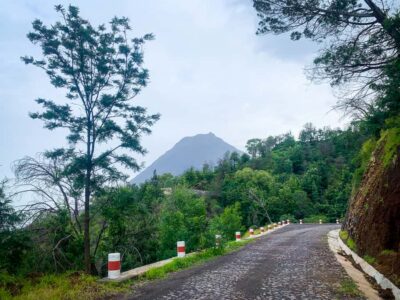 ★ 4.1Sao Filipe: Coffee Plantation and Natural Pools Day TripFrom $1006 reviews
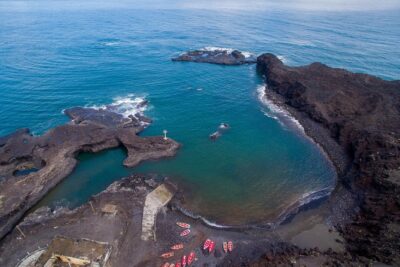 ★ 4.02. Nature, History of FOGO and relaxation at the natural pool of SalinasFrom $554 reviews
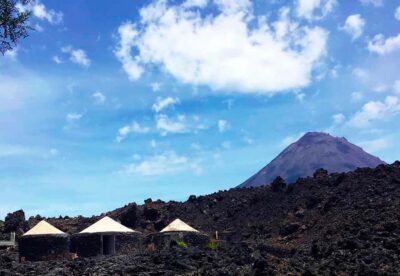 ★ 4.2From Praia: Full-Day Guided Fogo Island TourFrom $1473 reviews
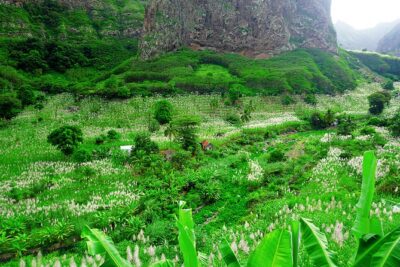 ★ 5.0Cape Verde – Santiago, Fogo, São Vicente & Santo Antão Islands 11 DaysFrom $2,7193 reviews
Browse the lists this tour appears in